
2026 Top Marble Veneer Types for Global Buyers?

Time:2026-11-09 Author:Sophia
0%

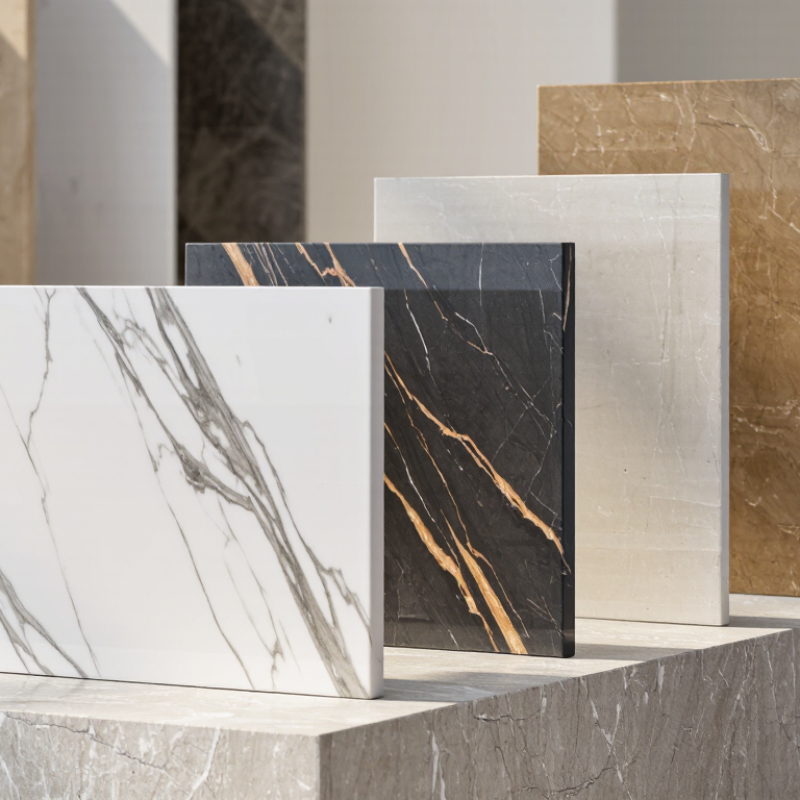
Marble Veneer offers the visual depth of natural stone with less thickness and weight than conventional slabs. For global buyers, the right choice depends on more than color. Backing, thickness, finish, panel size, and installation method affect handling and performance. A polished white panel may suit a hotel reception, while a honed surface can feel calmer in a residential bathroom. Details matter.

Market context helps, but figures need careful reading. Grand View Research’s Natural Stone Market report estimated the global market at US$39.7 billion in 2023 and forecast a 5.3% compound annual growth rate from 2024 to 2030. That estimate covers natural stone broadly, not marble veneer alone. The distinction matters. Veneer-specific market figures are less consistently reported, so buyers should avoid treating broad stone forecasts as direct demand data.

This guide compares leading marble veneer types for 2026, including thin natural-stone panels and backed formats, with attention to practical sourcing questions. It considers visual variation, edge detail, substrate compatibility, and the sample-to-order gap. A small sample can look uniform; a larger batch may reveal stronger veining. That is not a defect by itself, but it deserves review. Buyers should request current technical sheets, clear product photographs, and written confirmation of dimensions before comparing suppliers. These checks cannot guarantee a perfect project. They can make decisions more informed and reduce avoidable surprises.
2026 Top Marble Veneer Types for Global Buyers?

What Marble Veneer Is and How It Is Made

Marble veneer is a thin layer of natural marble used to finish walls, furniture, and selected interior surfaces. Unlike a thick stone slab, it uses less stone and adds less weight. The term can describe different products: some are thin stone sheets bonded to a backing, while others are cut veneer fixed directly to a stable panel. Buyers should check the construction, not rely on the name alone.

Production begins with quarried marble blocks. Workers inspect the stone for cracks, color variation, and natural veins before cutting it into thin sheets. Depending on the product, a sheet may receive a fiberglass or other reinforcing backing to reduce breakage during handling. It is then trimmed, calibrated, and finished, often with a polished, honed, or textured surface. Details vary by supplier and stone type.

The veins remain natural. No two sheets are exactly alike, and a sample may not show the full range in a larger order. That can be beautiful, but it takes planning. Installers typically use a clean, flat substrate and adhesives suited to both the backing and the intended location. Edges need careful handling; thin stone can chip. Ask for thickness, backing, finish, and care guidance before specifying it.

One detail is easy to miss: veneer is still stone, so it can stain or scratch without suitable maintenance.

Major Marble Veneer Types Available in 2026

In 2026, buyers will commonly encounter several marble veneer formats. Thin-cut natural marble uses a real stone face, usually bonded to a stable backing. It preserves natural veining, but color and pattern can vary between batches. Expect that variation.

Flexible stone veneer has a very thin marble layer attached to a reinforcing sheet, often fiberglass. It suits feature walls and gently curved surfaces, though flexibility is limited. Larger lightweight panels may use honeycomb or composite backing to support broad surfaces while reducing weight. Check the panel’s stated thickness and weight before specifying it.

Finishes also shape the choice. Polished marble reflects light and shows fingerprints more readily; honed surfaces have a softer, matte look. Brushed finishes add texture, but can collect dust in deeper grain. Some suppliers also offer engineered marble-look panels. These may resemble marble, but they are not natural marble veneer, so confirm the material description. A sample helps. Compare it in the intended lighting, and ask for installation and moisture guidance. The sample may still not match every panel.

Major Marble Veneer Types Available in 2026

Thickness ranges are indicative, not universal: actual specifications vary by stone, backing, and manufacturer. Honeycomb-backed panels show the overall panel thickness.

How Thickness, Finish, and Backing Shape Performance

Marble veneer performance starts with thickness, but thinner is not automatically better. A 6–10 mm panel reduces weight and eases handling, yet needs a stable substrate and careful edge support. Thicker pieces tolerate more handling stress, but add dead load and may need stronger anchors. ASTM C880/C880M test reports measure flexural strength; ASTM C97/C97M reports water absorption and bulk specific gravity. Compare results for the actual stone lot, not a generic “marble” average. Small differences matter.

Finish changes both appearance and upkeep. Honed surfaces soften glare and can make water marks less obvious, while polished faces show reflections clearly but may reveal scratches. In wet areas, request slip testing for the finished surface; appearance alone cannot predict traction. Backing matters, too. Fiberglass mesh or honeycomb can help thin panels resist handling damage, but bond quality, resin compatibility, and edge sealing deserve scrutiny. ASTM C1242 guides dimension-stone anchorage design, though the chosen assembly still needs project-specific checks. Samples can mislead. Teams sometimes approve a beautiful panel before testing its backing bond or checking how cut edges behave. A little awkward, but useful: test the complete build-up, not just the stone face.

2026 Top Marble Veneer Types for Global Buyers? - How Thickness, Finish, and Backing Shape Performance
Veneer Type Typical Marble Thickness Common Finish Options Backing or Support Performance Characteristics Typical Use and Selection Notes
Unbacked thin marble sheet Approximately 3–5 mm Polished, honed, or brushed, depending on the stone and fabrication No bonded backing; requires a stable, continuous substrate for installation Uses less stone than conventional thick slabs, but is relatively vulnerable to cracking, edge damage, and handling stress before installation. Consider for interior wall cladding where the substrate and fixing method provide continuous support. Confirm handling and installation requirements before specifying large pieces.
Fiberglass-reinforced marble veneer Approximately 1.5–4 mm stone face; total sheet thickness varies by system Often polished or honed; finish availability depends on the stone and backing process Fiberglass mesh, commonly bonded with a resin layer The reinforcement can help hold the thin stone together during handling and installation. It does not make the veneer immune to impact, bending, or poor substrate support. Used for lightweight interior wall applications and, where the product is designed for it, curved surfaces. Check resin, adhesive, moisture, and temperature compatibility.
Aluminum honeycomb-backed marble panel Commonly about 3–5 mm stone face; overall panel is thicker because of the core and skins Polished, honed, or other finishes offered for the selected marble Aluminum honeycomb core with bonded face sheets and a stone veneer The composite panel can provide high stiffness relative to its weight and support larger panel formats. Performance depends on the bonding system, panel design, and edge details. Consider for large-format interior panels, feature walls, and projects with weight constraints. Specify the complete panel system and engineered attachment; do not assume every system is suitable outdoors.
Aluminum-plate-backed marble panel Often about 3–6 mm stone face; complete assembly thickness varies Polished or honed are common choices Marble bonded to a solid aluminum plate or metal composite support Provides a supported panel assembly with a relatively flat backing. Bond quality, panel size, thermal movement, and fixing details affect long-term performance. Used for interior wall panels and architectural fit-outs. Review the full assembly for fire, temperature, moisture, and attachment requirements in the intended location.
Thicker marble veneer panel Approximately 8–12 mm Polished, honed, or brushed Typically unbacked stone; support is provided by the substrate or installation system Has more stone thickness than ultra-thin veneer, but is heavier and still requires appropriate support. Greater thickness alone does not guarantee resistance to cracking. Suitable for applications that benefit from a more substantial stone face, subject to the stone’s characteristics and project specification. Check load, fixing, and substrate capacity.
Finish comparison across veneer types Finish does not determine the stone thickness Polished: reflective surface. Honed: smooth, low-sheen surface. Brushed: textured surface. Backing choice is specified separately from the surface finish Surface texture and sheen influence appearance, cleaning, and perceived wear. Finish alone does not establish slip resistance or suitability for a wet area. Choose the finish for the intended use and maintenance plan. For floors or wet locations, request test data for the exact stone, finish, and installation assembly.
Buyer note: Thicknesses shown are general market ranges, not universal product specifications. Total panel thickness, weight, strength, fire performance, moisture suitability, and installation requirements vary by stone, backing, adhesive, and panel construction. Obtain technical data and confirm compliance with local project requirements before purchase.

Where Different Marble Veneer Types Work Best

Thin marble veneer suits interior feature walls, reception desks, and fireplace surrounds where natural veining matters but full-thickness stone is too heavy. Bookmatched panels create a strong focal point in hotel lobbies; smaller modular pieces are easier to handle in homes. Check the backing, fixing method, and wall capacity before ordering. Thin does not mean effortless.

Backed marble veneer, often bonded to a lightweight carrier, works well on cabinetry and vertical surfaces that need a more stable panel. In bathrooms, use it outside direct-splash zones unless the supplier confirms the complete system is suitable for wet conditions. Seams and edges need careful detailing. Keep it dry. The weak point is often the joint, not the stone.

For curved columns or compact renovations, flexible stone veneer can follow gentle bends with less cutting. It is not ideal for sharp corners or heavily worn surfaces. Grand View Research estimated the global natural-stone market at about US$52 billion in 2023; that figure covers natural stone broadly, not marble veneer alone. Treat it as market context, not proof of demand for a specific finish. Request a sample, inspect its real color in the project lighting, and confirm installation requirements with the fabricator. Samples can still mislead.

How Global Buyers Assess Quality and Supply Options

Global buyers assess marble veneer by checking more than color and price. Request samples from the actual production lot, not only a showroom piece. Compare veining, shade variation, surface finish, and edge quality in daylight and warm indoor light. Check the stated thickness and backing, too. A loose corner or uneven mesh can complicate installation. Ask how the veneer responds to cutting and handling, and review packing details, such as corner protection and moisture barriers. Natural stone varies. A sample cannot represent every sheet.

Tips: Label and photograph approved samples. Confirm acceptable color variation in writing, and request batch photos before shipment. Small checks prevent costly surprises.

Supply reliability matters as much as appearance. Ask about available sheet sizes, monthly capacity, production lead times, and how repeat orders are matched to earlier batches. Request clear inspection records and packing lists, then confirm how damaged pieces are reported and replaced. For a first order, a modest trial quantity can reveal handling issues before a larger purchase. Buyers should also compare delivered cost, not just the quoted unit price. Freight, breakage allowances, and replacement timing can shift the real budget. One detail is easy to overlook: even well-documented batches may differ slightly in tone. Set a practical tolerance, and leave room for judgment.

FAQS

What is thin-cut natural marble veneer?

It uses a real marble face bonded to a stable backing. Natural veining remains visible, but colors and patterns can vary between batches.

How does flexible stone veneer work?

A very thin marble layer is attached to a reinforcing sheet, often fiberglass. It can follow gentle curves. Sharp bends are another matter.

Which marble veneer finish should I choose?

Polished surfaces reflect light but show fingerprints. Honed finishes look softer and matte. Brushed finishes add texture, though dust may settle in deeper grain.

Where does marble veneer work well?

Thin veneer suits feature walls, reception desks, and fireplace surrounds. Backed panels can work on cabinetry and vertical surfaces needing more stability.

Can marble veneer be used in bathrooms?

Keep it outside direct-splash areas unless the supplier confirms the full system suits wet conditions. Seams and edges need careful detailing. Keep them dry.

Is flexible veneer suitable for every curved surface?

No. It can follow gentle bends on columns, but it is not ideal for sharp corners or heavily worn surfaces.

What should I check before ordering lightweight panels?

Check the stated thickness, weight, backing, fixing method, and wall capacity. A lightweight panel still needs suitable support.

Are marble-look panels the same as natural marble veneer?

Not always. Some engineered panels resemble marble but are not natural stone veneer. Confirm the material description, and inspect a sample in the project lighting. Samples can still mislead.

Conclusion

Marble Veneer offers a way to bring the natural patterns and character of marble to walls, furniture, and other surfaces with less weight than many solid-stone applications. This guide explains how marble veneer is made and introduces the main types available in 2026, including options that vary in stone appearance, construction, thickness, finish, and backing. These features influence flexibility, durability, installation needs, and suitability for different environments.

The article also explores where each type may work best, from decorative interior surfaces to areas that need greater resistance to moisture or wear. For global buyers, choosing a suitable product involves assessing consistency, dimensions, surface quality, backing materials, packaging, and supply capacity. Understanding these factors can help buyers compare options and select marble veneer that aligns with project requirements, handling conditions, and long-term performance expectations.

Sophia

Sophia

Sophia is a dedicated marketing professional with an exceptional depth of knowledge about her company's products and services. With a keen understanding of market trends and customer needs, she crafts insightful blog posts that not only inform but also engage readers, enriching the company’s online......