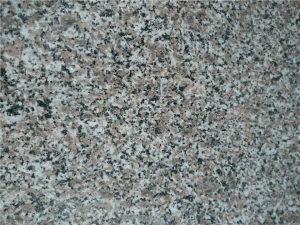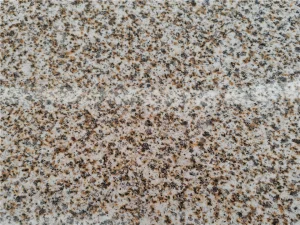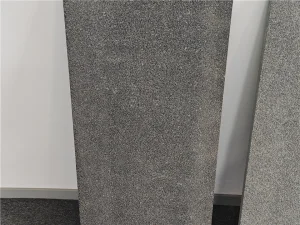
Precision Engineering Product Catalog (Part I)
Curated architectural elements, bespoke granite, and high-performance faux marble solutions manufactured under stringent European tolerance benchmarks.

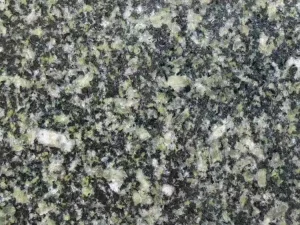

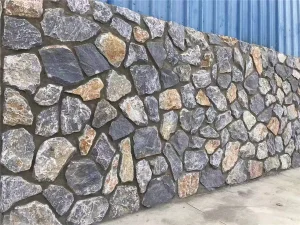
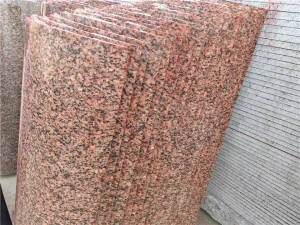
Global Landscape: Commercial & Industrial Status
Strategic shift in the global furniture and contract fit-out sectors toward engineered composite stone, resin-bonded cultured marble, and ultra-compact sintered surfaces.
Supply Chain Realignment
Global procurement teams in North America, Europe, and the Middle East are shifting from fragile, high-porosity natural marble slabs to calibrated faux marble and engineered composite table tops. Advanced Chinese production clusters offer unprecedented economies of scale, tight batch color stability, and defect-free structural matrixes.
Durability Benchmarking
Hospitality environments demand zero downtime. Faux marble compositions engineered with thermosetting resins, ground calcium carbonate, or high-pressure sintered silicates achieve high stain resistance, chemical inertness against acidic liquids (citrus, wine, vinegar), and superior impact resistance compared to untreated quarried marble.
Cost-to-Weight Optimization
Natural stone slabs create massive logistical deadweight. China's leading faux marble fabricators incorporate honeycomb composite backings, lightweight resin matrices, and ultra-thin engineered laminates, cutting container shipping tariffs by up to 35% while easing manual on-site assembly for commercial furniture contractors.
Industry Trends & Localized Use Scenarios
How hyper-realistic digital inkjet printing, zero-silica bio-resins, and integrated CNC manufacturing meet regional building regulations across key commercial sectors.
Quick-Service & Cafes
High-turnover dining venues require high abrasion resistance and quick disinfection cycles. Non-porous faux marble table tops prevent bacteria propagation, resisting chlorine-based sanitizers without surface degradation or dulling of polished finishes.
Luxury Hotel Fit-Outs
Boutique hotels require continuous, book-matched veining across banquet tables and executive desks. Through continuous 3D digital inkjet deposition, Chinese factories reproduce Calacatta Gold and Nero Marquina patterns across hundreds of identical units.
Corporate Boardrooms
Modern boardrooms demand integrated power conduits, inductive wireless chargers, and AV touchpads. Faux marble enables seamless waterjet cutting, clean edge chamfering, and concealed structural underscoring without micro-fracturing risks.
Outdoor Alfresco Dining
Sunlight, thermal expansion, and freeze-thaw cycles break down standard polyester tops. Next-generation factories deploy UV-stabilized acrylic polymers and inorganic sintered porcelain matrices, ensuring zero yellowing and no thermal warping.
Technical Roadmap & Manufacturing Architecture
A systematic view of how leading Chinese production plants turn raw mineral aggregates into high-precision, cut-to-size table components.
Micro-Calibrated Batching
Ultra-fine natural calcium carbonate (CaCO3), aluminum trihydrate (ATH), and optical-grade thermoset resins are vacuum-blended to eliminate micro-voids and trapped air bubbles.
High-Pressure Vibro-Compaction
Molds undergo multi-axis vibration under severe vacuum atmospheres (98 kPa) to ensure density uniformity, followed by controlled thermal tunnel polymerization.
5-Axis CNC Waterjet Profiling
Automated cutting heads shape bullnose, ogee, beveled, and waterfall edges within ±0.3 mm tolerances, ready to fit structural steel and wood sub-frames.
Nano-Ceramic Surface Barrier
Application of photo-cured hybrid polysilazane or nano-fluorocarbon layers provides hydrophobic contact angles above 105°, warding off stains and heavy scratches.
Macro Enterprise Sourcing & Procurement Solutions
Solving complex procurement problems: freight density, port turnaround, edge-breakage liabilities, and green building compliance.
Port-Factory Export Integration
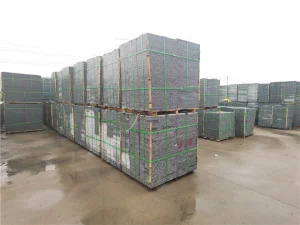
Direct freight corridors connecting regional factory belts with primary coastal export hubs (Qingdao, Rizhao, Xiamen) shorten lead times. Pre-palletized, barcoded shipping crates are custom-built to maximize 40ft High Cube container cube utilization, lowering unit landing costs.
Architectural Spec Matching
Factories coordinate directly with architecture and design (A&D) teams to formulate bespoke resins matching Pantone, RAL, or natural quarry stone chips. Every production batch receives spectrophotometer verification, keeping Delta-E color variation under 0.8 across repeat orders.
LEED & Green Guard Alignment
Export compliance demands zero toxic outgassing. Leading suppliers provide third-party validated low-VOC certificates, recycled aggregate content verification, and GREENGUARD Gold accreditations, helping commercial interiors hit LEED v4.1 sustainability benchmarks.
Engineering Performance Matrix: Natural Stone vs. Faux Marble
Empirical laboratory metrics highlighting operational performance differences across contract tabletop materials.
| Physical / Chemical Parameter | Natural Calacatta Marble | Resin-Cast Faux Marble | Sintered Stone Composite | Test Methodology |
|---|---|---|---|---|
| Water Absorption Rate | 0.15% – 0.50% (High Porosity) | < 0.03% (Impermeable) | < 0.01% (Zero Pores) | ASTM C97 / EN 13755 |
| Mohs Hardness Scale | 3.0 – 4.0 (Scratch Prone) | 4.5 – 5.5 (Medium/Repairable) | 6.5 – 7.5 (Ultra-Hard) | EN 101 |
| Acid & Stain Resistance | Low (Readily Etched by Citrus) | High (Resistant to Household Acids) | Total Inertness | ASTM C650 |
| Flexural Modulus / Strength | 8 – 15 MPa (Brittle) | 35 – 55 MPa (Tough Matrix) | > 50 MPa (Extreme) | ASTM C880 |
| Color & Pattern Consistency | Natural Variation / Uncontrollable | 100% Uniform Batch Matching | 100% Digital Bookmatched | Spectrophotometer dE* |
Technical & Procurement FAQ
Key technical, logistic, and commercial questions asked by contract furniture importers and procurement specialists.
What are the key material distinctions between faux marble, cultured marble, and sintered stone?
How do Chinese manufacturers control veining uniformity across high-volume container orders?
Can customized edge treatments and undersite reinforcement be executed to shop drawings?
What packaging and freight protection standards prevent edge micro-fractures in transit?
What is the typical minimum order quantity (MOQ) and production turnaround for custom hospitality projects?
Precision Engineering Product Catalog (Part II)
Complete project-matched supply chain components, from specialty slabs and high-load kerbs to customized architectural finishes.