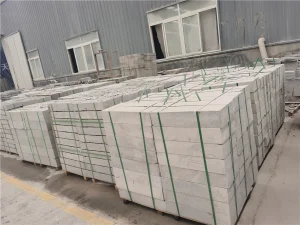
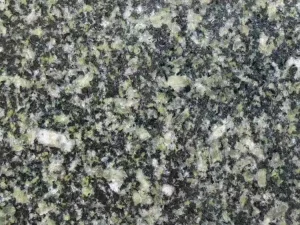
Factory-Direct Architectural Material Catalog: Series Alpha
Verified manufacturing lots engineered for international projects. Sourced directly from our industrial fabrication network with full dimensional calibration and export-grade structural packaging.
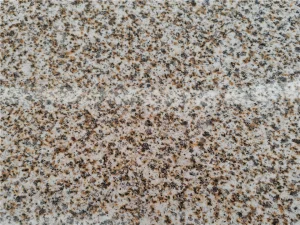
Wholesale G682 Yellow Rust Granite for Paving Suppliers, Factories
View Specifications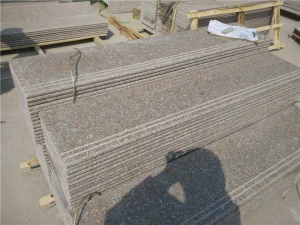
Wholesale G368 Wulian Red Granite Paving Stones Supplier, Suppliers
View Specifications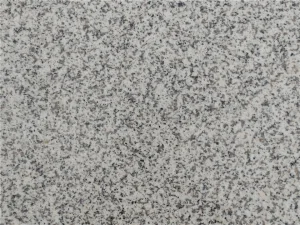
China G603 Sesame White Granite Suppliers, Factory
View Specifications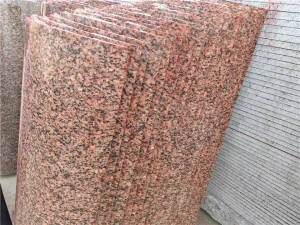
Wholesale G352 General Red Granite Cladding Panels Manufacturers, Factories
View Specifications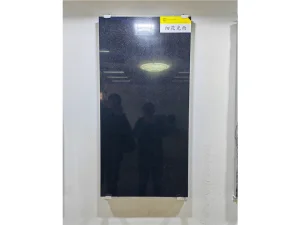
China G3401 Shanxi Black Granite Manufacturer, Factory
View Specifications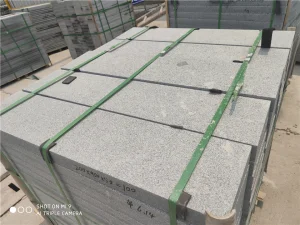
China G654 Sesame Grey Granite Flamed Finish Supplier, Factories
View Specifications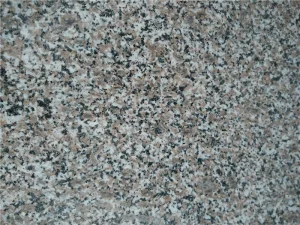
China Other Colours Granite – Custom Orders Manufacturers, Factories
View SpecificationsEngineering Architecture: Material Science of Laminated Obscure Glass
In contemporary high-performance architectural design, obscure laminated glass represents an optimal intersection of daylight diffusion, human privacy, fall-out protection, and acoustic engineering. Understanding its thermodynamic and structural properties is vital for facade engineers, general contractors, and tier-one material specifiers.
Interlayer Cohesion Dynamics
Laminated obscure glass typically utilizes either Polyvinyl Butyral (PVB) or Ethylene-Vinyl Acetate (EVA) interlayers, integrated between high-grade float or obscure glass panes. During high-pressure autoclaving (12–14 bar at 135°C–145°C), air is extracted under continuous vacuum, ensuring cross-linked molecular adhesion. In cases of fracture under violent mechanical impact, the obscure glass fragments adhere firmly to the interlayer membrane, preventing airborne shards and maintaining architectural envelope integrity.
Photometric & Diffusive Optics
The obscurity is achieved either mechanically (sandblasting), chemically (hydrofluoric acid etching), via physical rolling textures (patterned/figured glass such as Moru, Nashiji, or Chinchilla), or through translucent milky-white/frosted PVB interlayers. While transparent clear float glass offers direct visible light transmission (VLT) exceeding 88%, obscure lamination preserves total daylight ingress (60% to 82% VLT) while dispersing collimated direct rays into diffuse ambient illumination, eliminating glare and providing calibrated visual masking.
Acoustic Damping Performance
Standard monolithic annealed or tempered glass is subject to critical frequency coincidence dips where sound transmission loss degrades sharply. In contrast, the viscoelastic core of obscure laminated glass acts as a shear-damping layer. It breaks the vibrational continuity of acoustic waves across the 100 Hz–4000 Hz spectrum, increasing the Sound Transmission Class (STC) and Rw values up to 36–42 dB depending on glass thickness and configuration.
Chinese Manufacturing Ecosystem: Supply Chain Resilience & Cost Scaling
Procuring laminated obscure glass and composite building materials from verified Chinese production clusters provides commercial buyers with insurmountable advantages in capacity, automated yields, and multi-tier logistics coordination.
Integrated Raw Material Availability
China produces over 50% of the world's flat float glass and high-grade silica raw resources. Modern regional glass processing belts in Shandong, Jiangsu, and Guangdong operate adjacent to continuous float production furnaces and dedicated chemical synthesis plants for PVB films. This geographic concentration removes interstate haulage risks, dampens raw material volatility, and ensures uninterrupted batch-matching for multi-thousand square meter projects.
High-Precision Automated Fabrication
Tier-1 Chinese factories deploy state-of-the-art CNC horizontal double-edging machines, automated waterjet countersink drillers, high-convection tempering furnaces with optical distortion scanners, and ISO Class 7 cleanrooms for lamination layup. Automation eliminates manual handling defects, keeping dimensional diagonal tolerances within ±0.5 mm and eradicating interlayer bubbling or edge contamination.
Dual-Port Freight Logistics & Consolidation
With operational proximity to Rizhao Port and Qingdao Port, shipments are fast-tracked onto global container routes. Project buyers can consolidate heterogeneous architectural packages—including architectural laminated obscure glass, stainless steel glass clamps, framing profiles, and precision natural stone cladding—into single container loads under verified FOB/CIF terms, saving up to 30% in administrative customs friction and ocean freight costs.
Technical Specification & Compliance Matrix
Architectural properties across popular obscure laminated glazing configurations. Engineered to exceed worldwide building codes including ASTM C1172, EN 14449, and AS/NZS 2208.
| Glazing Configuration | Processing Method | VLT Range (%) | Acoustic (Rw, dB) | Safety Compliance | Primary Target Application |
|---|---|---|---|---|---|
| 4mm + 0.76 PVB + 4mm | Acid-Etched Translucent | 68% - 75% | 34 dB | EN 12600 Class 1B1 / ANSI Z97.1 | Corporate Interior Partitions, Office Doors |
| 5mm + 1.14 PVB + 5mm | Moru / Fluted Textured Glass | 72% - 80% | 35 dB | SGCC / ASTM C1048 / AS/NZS 2208 | Luxury Shower Enclosures, Bespoke Furniture |
| 6mm + 1.52 PVB + 6mm | Ceramic Frit Obscure Core | 20% - 55% | 37 dB | EN 14449 / ISO 12543-2 | Curtain Wall Spandrel Panels, Balustrades |
| 8mm + 1.52 SentryGlas® + 8mm | Sandblasted & Low-Iron Lami | 60% - 70% | 39 dB | ASTM E1300 Structural Glazing | External Security Facades, Floor Panels, Overhead Glazing |
| 10mm + 2.28 PVB + 10mm | Custom Obscure Structural Lami | 40% - 65% | 41 dB | Hurricane Impact Rating / CE Standard | Public Infrastructure, Prison Glazing, Acoustic Enclosures |
Localized Architectural Applications & Project Archetypes
From healthcare facilities requiring absolute sanitization and privacy to high-wind-load coastal developments, laminated obscure glass adapts to complex functional briefs.
Healthcare & Clinical Privacy Demarcation
Medical intensive care units, consultation suites, and sanitization chambers require visual privacy without light deprivation. Acid-etched obscure laminates deliver ultra-smooth surfaces devoid of porous micro-cavities, ensuring bacterial resistance, easy wipedown with hospital-grade biocides, and high acoustic separation for HIPAA-compliant sound privacy.
Executive Commercial & Boardroom Enclosures
Modern open-plan offices face continuous friction between expansive daylighting and executive confidentiality. High-performance obscure laminated glass walls block line-of-sight distractions while preserving daylight flow across interior cores. When combined with acoustic interlayers, speech intelligibility across boundary walls is minimized.
Hospitality & High-End Residential Ensuites
Patterned and fluted obscure glass laminations (such as Moru-patterned glass bonded to frosted interlayers) offer visual tactility and vintage aesthetic allure. These assemblies deliver structural barrier performance for frameless wet-room partitions, eliminating moisture penetration into the interlayer while guaranteeing user safety under impact.
Global Certification, Structural Testing & Green Building Alignment
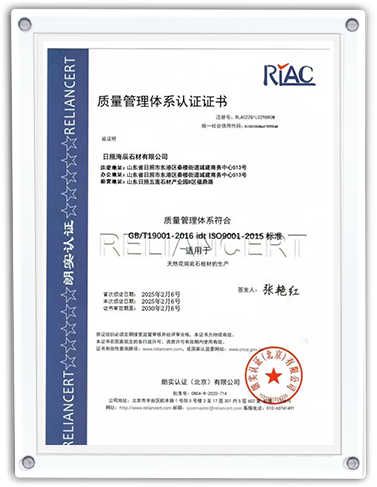
Tier-1 Chinese factories manufacture laminated obscure glass under stringent ISO 9001 and environmental audits, backed by third-party testing reports that eliminate regulatory risk for overseas contractors.
International Safety Approvals
Export batches undergo rigorous impact pendulum testing (drop-ball and dual-tire impacts) to comply with ANSI Z97.1-2015 (USA), EN 14449 / EN 12150 (European Union CE mark), AS/NZS 2208 (Australasia), and SGCC certification. Full laboratory test logs are delivered with each bill of lading.
Environmental Durability & Edge Stability
Exposed edges in humid coastal or tropical conditions can suffer from interlayer delamination. High-grade Chinese manufacturers implement high-temperature bake-in tests and cyclic salt-spray tests to ensure chemical stability, preventing yellowing, cloudy bloom, or separation along silicone-sealed perimeter edges.
LEED & BREEAM Sustainable Credits
Laminated obscure glass optimizes the balance between building daylight factors and thermal solar heat gain coefficients (SHGC). By diffusing natural sunlight deep into floorplates, artificial lighting energy consumption drops by up to 22%, directly contributing credits toward LEED v4.1 Daylight & Quality Views.
Frequently Asked Questions: Global Sourcing & Technical Clarification
Actionable answers to technical, commercial, and operational procurement inquiries compiled from over ten years of international factory project coordination.
What is the difference between acid-etched and sandblasted obscure glass in lamination?
Acid-etched glass uses chemical hydrofluoric acid treatments to produce a satin, non-porous finish that resists fingerprint stains and cleaning degradation. Sandblasting is a mechanical abrasive process that produces a rougher, deeper texture. For lamination, acid-etched faces placed inward toward the PVB layer deliver pristine optical consistency without risk of air micro-entrapment.
Can obscure laminated glass be customized with heat strengthening or tempering?
Yes. Both glass plies can be fully tempered (providing 4–5 times the mechanical shock resistance of annealed glass) or heat-strengthened (to mitigate thermal stress breakage) prior to the autoclaving and lamination process. Once tempered, panes cannot be cut or drilled, necessitating exact CAD shop drawings upfront.
How do Chinese factories prevent edge delamination in exterior applications?
Factories employ structural PVB or ionoplast (SentryGlas®) interlayers with enhanced moisture-resistant sealants. Furthermore, edge-grinding techniques (such as polished flat edge with arris) remove micro-fissures, and cleanroom relative humidity is controlled strictly under 25% during assembly to eliminate edge hazing and delamination.
What is the typical lead time and minimum order quantity (MOQ) for custom project batches?
Standard architectural projects require an MOQ of one 20ft container (approx. 800–1,100 m² depending on thickness). Production lead times for CNC-processed, custom-tempered laminated obscure glass range from 15 to 22 business days post drawing sign-off, with direct vessel transit times calculated from Rizhao or Qingdao port.
How is damage mitigated during long-haul sea container transport?
Glass panes are packed with mildew-proof polymer interleaving powder or protective PE sheets inside solid, heat-treated fumigated wooden crates (ISPM 15 compliant). Crates are locked down inside container walls via heavy-duty steel ratchets and timber bracing to withstand ship pitching and rough sea transit.
Can obscure laminated glass be integrated into Insulated Glass Units (IGUs)?
Certainly. An obscure laminated inner pane can be paired with an outer low-E reflective or clear float pane separated by an argon-filled aluminum or warm-edge spacer. This creates an ultra-high performance IGU delivering both high acoustic and privacy barrier metrics alongside excellent U-values for exterior facades.
Factory-Direct Architectural Material Catalog: Series Beta
Additional certified structural masonry, dimensional stone, and architectural granite solutions available for coordinated multi-material container shipment and turnkey commercial engineering.
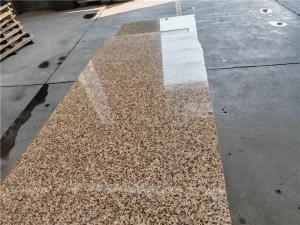
China A1684 Golden Hemp Granite Countertops Manufacturer, Factories
View Specifications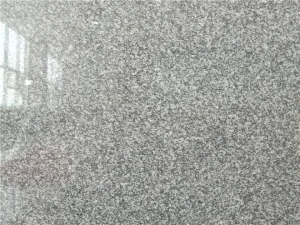
China G3743 Lu Grey Granite Building Stone Manufacturer, Factories
View Specifications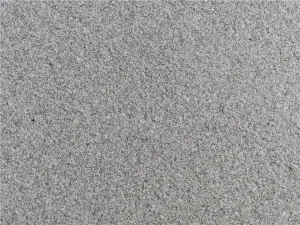
China G614 Sesame Grey Granite Slabs & Tiles Supplier, Suppliers
View Specifications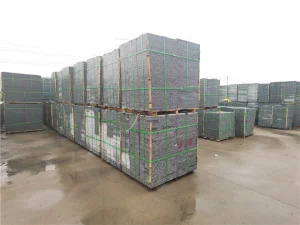
China G3702 Snowflake Blue Granite Manufacturers, Supplier
View Specifications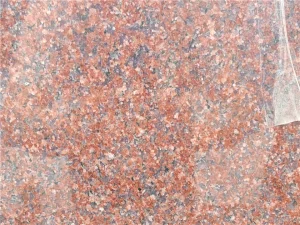
Wholesale G386 Shidiao Red Granite Tiles Manufacturers, Suppliers
View Specifications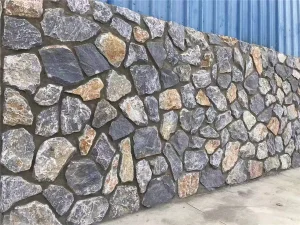
Wholesale Chinese Culture Granite: Stone Chronicles a Millennium, Artistry Inherits the Orient Manufacturer, Suppliers
View Specifications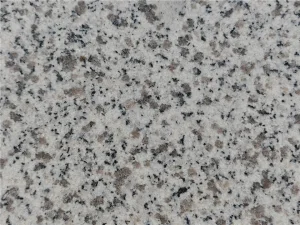
Wholesale G3760 Shandong White Marble Granite Manufacturers, Suppliers
View Specifications