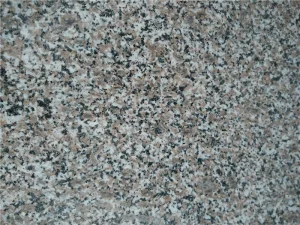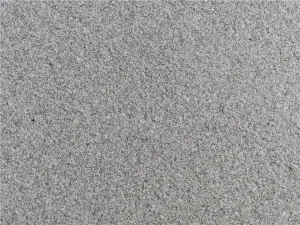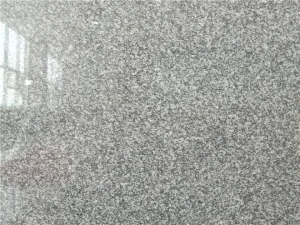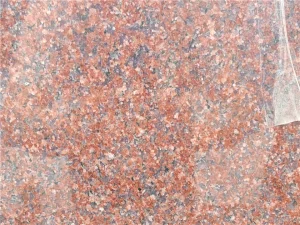
High-Performance Architectural & Cladding Series
Combining tinted structural glazing with durable natural building stone substrates to engineer superior structural integrity, seismic dampening, and aesthetic value for Tier-1 infrastructure projects.
Evolution of Tinted Laminated Glass in Sustainable Architecture
A strategic analysis of structural performance, dynamic solar heat gain coefficients (SHGC), and post-breakage load-bearing resilience across modern commercial enclosures.
Advanced Solar Decoupling & SHGC Control
Modern tinted laminated glass has evolved from purely decorative body-tinted float glass into highly complex spectrally selective composite assemblies. By embedding metal oxides (such as cobalt, iron, and selenium) directly into the molten float state and combining them with specialized polyvinyl butyral (PVB) or ionoplast (SentryGlas®) interlayers, manufacturers achieve distinct light-to-solar-gain (LSG) ratios.
These tinted configurations selectively block near-infrared (NIR) thermal radiation without sacrificing targeted visible light transmittance (VLT), significantly shrinking mechanical HVAC cooling loads in subtropical and tropical building envelopes.
Post-Breakage Structural Integrity & Safety
Under ASTM C1172 and EN ISO 12543 protocols, safety performance mandates that glazing units preserve building envelope closure upon catastrophic impact. The core value of tinted laminated glass lies in the viscoelastic interlayer matrix.
When exposed to blunt projectile impact, windborne debris, or high seismic acceleration, fractured glass shards adhere firmly to the interlayer. This prevents facade blowout and hazardous falling fragments, ensuring life-safety compliance for overhead canopies, balustrades, and structural curtain walls.
Acoustic Attenuation & Sound Transmission Class
Urban density demands elevated Sound Transmission Class (STC) ratings. Standard monolithic glass suffers an acoustic "coincidence dip" between 1000 Hz and 2000 Hz where sound passes freely.
Integrating tinted acoustic-grade PVB interlayers dampens shear vibrations across critical frequencies. China's top-tier manufacturers produce laminated makeups achieving sound attenuation in excess of 38 dB to 45 dB, shielding corporate spaces and luxury hospitality interiors from urban noise pollution.
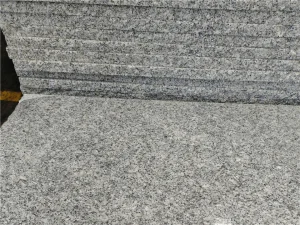
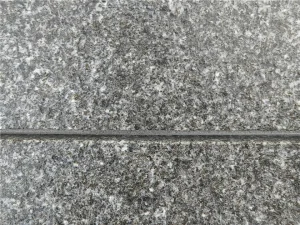
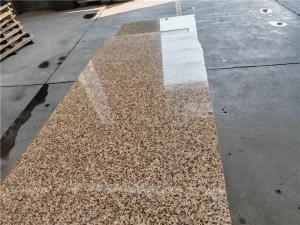
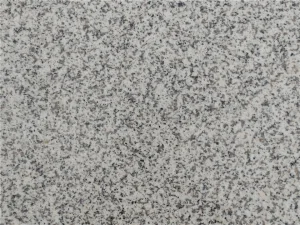
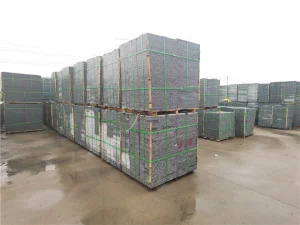
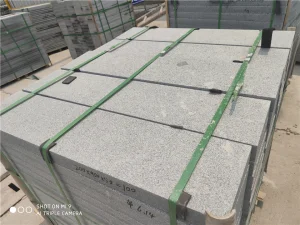
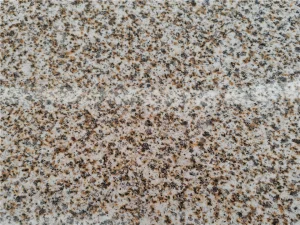
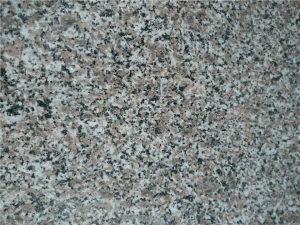
Comprehensive Facade Engineering Note: When engineering high-performance curtain walls, tinted laminated glass units are routinely integrated into multi-material envelopes alongside structural steel sub-frames and granite rainscreen cladding panels. Sourcing these complementary building envelope materials from a consolidated industrial hub eliminates dimensional mismatch, aligns thermal expansion coefficients, and compresses project procurement timelines.
China Factory 4.0: Supply Chain Resilience & Precision Fabrication
How state-of-the-art cleanroom autoclaves, computerized float optimization, and deepwater port integration drive verifiable quality and risk mitigation for EPC global contractors.
Class 10,000 Cleanroom Lamination
Delamination, bubbles, and optical haze are primary failure modes in sub-standard laminated glass. Leading Chinese manufacturing operations deploy Class 10,000 climate-controlled cleanrooms with strict temperature (18°C–22°C) and relative humidity (25%–30%) regulation.
Automated washing lines with reverse osmosis deionized water prevent mineral spotting before high-pressure vacuum de-airing and computer-sequenced autoclave polymerization cycles.
Multi-Material Envelope Consolidation
Modern engineering contracts require integrated packages. Industrial clusters in Shandong connect flat glass processing directly with granite quarry reserves, steel frame fabrication, and architectural hardware production.
Project procurement managers can consolidate structural tinted glass, stainless steel glass clamps, and stone spandrel panels within single sea-freight containers, minimizing freight overhead and eliminating cross-supplier delivery friction.
Dual-Port Coastal Logistics
Geographic proximity to Rizhao Port and Qingdao Port gives Chinese manufacturers a critical buffer against global shipping volatility. Direct maritime corridors handle heavy container payloads (up to 28 metric tons) secured in bespoke steel A-frames or heat-treated fumigated wooden crates.
With end-to-end digital tracking and streamlined in-house export customs declarations, production runs move seamlessly from the workshop floor to international discharge hubs.
Architectural Specification & Optical Performance Reference
Verified physical, optical, and mechanical property parameters across standard tinted laminated glass configurations produced for commercial installations.
| Glazing Makeup | Tint Tone | VLT (%) | Solar Heat Gain (SHGC) | U-Value (W/m²·K) | STC Acoustic | Compliance Standards |
|---|---|---|---|---|---|---|
| 6mm + 1.52PVB + 6mm | Euro Bronze | 28% - 32% | 0.42 | 5.4 | 37 dB | ASTM C1172, EN 14449 |
| 6mm + 1.52PVB + 6mm | Euro Grey | 22% - 26% | 0.38 | 5.4 | 38 dB | AS/NZS 2208, ISO 12543 |
| 8mm + 1.52PVB + 8mm | Dark Grey / Charcoal | 12% - 15% | 0.31 | 5.3 | 40 dB | ANSI Z97.1, SGCC |
| 6mm + 1.52PVB + 6mm | French Green / F-Green | 58% - 65% | 0.48 | 5.4 | 37 dB | CE EN 12150, EN 14449 |
| 8mm + 2.28SGP + 8mm | Ford Blue / Ocean Blue | 42% - 48% | 0.40 | 5.2 | 41 dB | ASTM C1048, Hurricane Tested |
| 10mm + 1.52PVB + 10mm | Custom Color Matched | Tailored | 0.29 - 0.45 | 5.1 | 42 dB | EN ISO 12543-4 Delamination Tested |
Global Architecture & Localized Application Engineering
Addressing distinct environmental loads, climate challenges, and regional building codes with purpose-configured tinted laminated composites.
Middle East & GCC Commercial Towers
In desert environments with extreme ambient solar irradiance (>1000 W/m²), tinted laminated assemblies utilizing deep grey and bronze body-tints act as primary thermal filters. Paired with structural silicone glazing in unitized curtain walls, they cut solar glare, maintain indoor thermal comfort, and reduce HVAC system cycling.
Coastal Southeast Asia & Hurricane Corridors
Projects across the South China Sea, Caribbean, and Florida coastlines demand compliance with cyclical wind pressure and missile impact tests (TAS 201/202/203). Laminated makeups combining heat-strengthened tinted glass with structural ionoplast interlayers offer superior edge stability, preventing moisture ingression, clouding, and wind-blown penetration.
European & North American Transit Hubs
High-traffic municipal hubs, airports, and train terminals specify safety glazing that manages acoustic resonance while preserving daylighting. Custom blue and green laminated canopies and atrium roofs deliver high visible transmission, robust overhead snow and maintenance load resistance, and low maintenance overhead.
Frequently Asked Questions: Tinted Laminated Glass Sourcing
In-depth responses covering international certification, thermal stress fractures, logistics consolidation, and production lead times.
How does a manufacturer prevent thermal stress breakage in dark-tinted laminated glass?
What is the difference between body-tinted laminated glass and colored PVB laminated glass?
Which international quality certifications should global EPC contractors require?
Can project buyers consolidate architectural glass with natural stone and steel structures?
How does the factory manage edge delamination risk for exterior exposed glass edges?
What are the standard lead times and packaging specifications for international ocean freight?
Quarry-Direct Dimensional Stone & Architectural Elements
Verified stone series engineered to pair seamlessly with architectural tinted glass for balanced structural performance, exterior durability, and low-maintenance longevity.