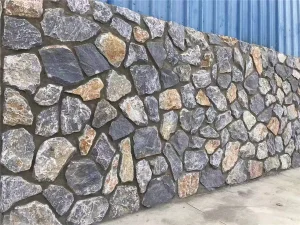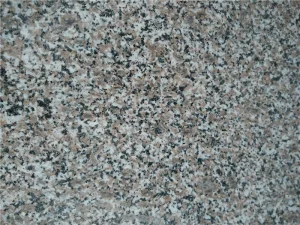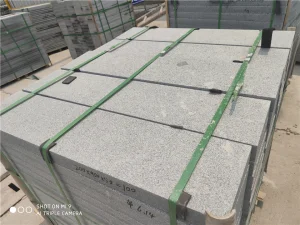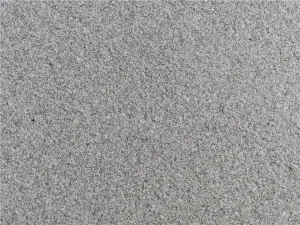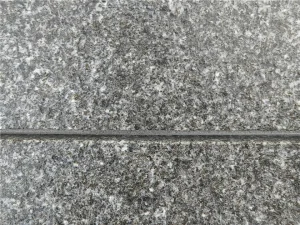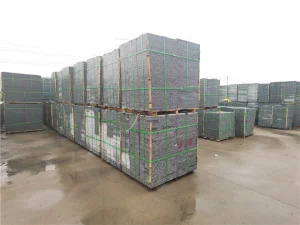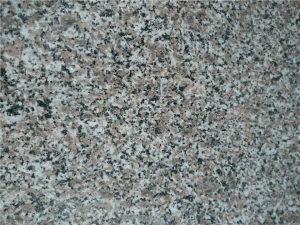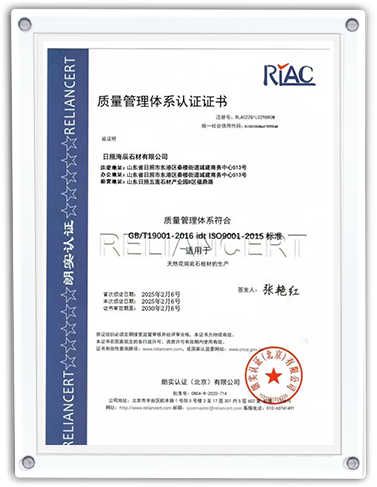
Featured Building Envelope & Architectural Components (Part I)
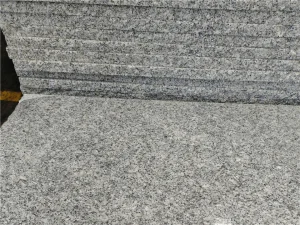
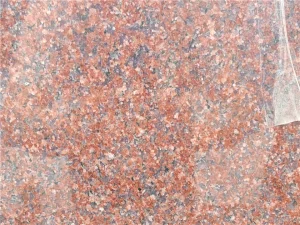
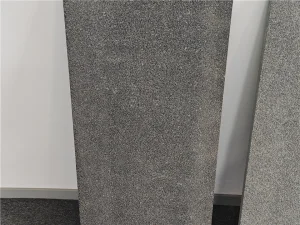
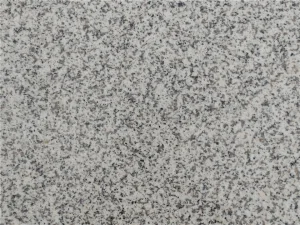
Factory-direct quarry and processed structural elements engineered for multi-material façade assemblies, load-bearing glazing frames, and exterior cladding integration.
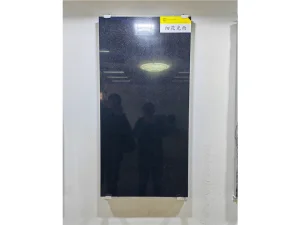
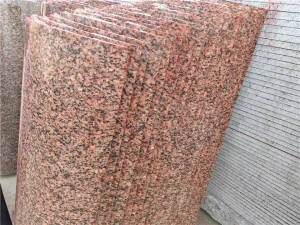
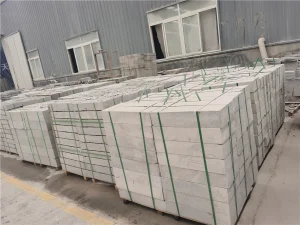
Micro-Structural Metallurgy & Thermal Tempering Mechanics
In modern architectural engineering and structural façade design, toughened safety glass (fully tempered glass) serves as a primary load-bearing and protective medium. Unlike standard annealed float glass, toughened safety glass undergoes a specialized thermal modification process where float glass sheets are heated past their softening point—approximately 620°C to 680°C—inside a high-precision computer-controlled tempering furnace. Upon reaching thermal equilibrium, the glass surfaces are rapidly cooled via controlled high-pressure air quenching. This thermodynamic force rapidly freezes the outer skins of the glass into a state of severe compressive stress (typically ≥ 90 MPa to 150 MPa), while the interior core remains in balancing tensile stress.
This balanced mechanical stress profile grants toughened safety glass extraordinary engineering characteristics: a bending strength four to five times higher than annealed glass (exceeding 120 N/mm² under EN 12150-1 benchmarks) and thermal shock resistance capable of surviving differential temperature spikes up to 200°K. Crucially, when failure occurs due to extreme mechanical impact, the stored tensile energy shatters the entire panel into tiny, blunt-edged cubOperation granules (dice) rather than dangerous razor-sharp shards. This breakage dynamic is the engineering baseline for global building safety codes, including ASTM C1048, BS EN 12150, and AS/NZS 2208.
Mitigating Nickel Sulfide (NiS) Spontaneous Breakage via Heat Soak Testing (HST)
A fundamental technical risk in fully tempered glass specified for high-rise curtain walls is spontaneous fracture caused by microscopic Nickel Sulfide (NiS) inclusions. Float glass raw materials can occasionally harbour micro-contaminants of NiS. During thermal tempering, these inclusions are trapped in their high-temperature alpha phase. Over time—ranging from months to decades—these inclusions naturally revert to their low-temperature beta phase, expanding in volume by approximately 2% to 4%. When located in the central tensile stress zone of a toughened panel, this volumetric expansion induces localized stress concentrations that trigger catastrophic glass rupture without external load.
To deliver absolute reliability for global procurement packages, leading Chinese safety glass manufacturers implement rigorous Heat Soak Testing (HST) according to EN 14179-1 standards. Inside dedicated HST ovens, tempered panels are exposed to a controlled thermal regime of 290°C (±10°C) for a minimum holding period of two to four hours. This accelerated environmental testing forces panels containing critical NiS inclusions to fracture safely inside the chamber prior to export, reducing the on-site spontaneous breakage risk from a industry baseline of 1/10,000 m² down to less than 1/100,000 m².
Global Industry Trends & Architectural Glazing Drivers (2025–2035)
Analysis of international building codes, decarbonization targets, structural minimalism, and smart glass integration reshaping the global procurement landscape.
Ultra-Low Carbon & Low-E Triples
Global decarbonization initiatives (such as the EU Energy Performance of Buildings Directive and US LEED v4.1) mandate ultra-low thermal transmittance (U-values below 0.6 W/m²K). Factory fabrication now integrates low-emissivity (Low-E) double and triple silver coatings onto toughened glass substrate prior to tempering, paired with warm-edge spacers and argon gas filling to maximize SHGC efficiency without sacrificing visible light transmittance (VLT).
SGP Structural Laminates
Modern structural minimalism favors point-supported glass, glass fins, and frameless balustrades. Toughened safety glass is increasingly combined with ionoplast interlayers (SentryGlas / SGP). SGP interlayers offer 5 times the tear strength and 100 times the rigidity of traditional PVB, ensuring that even if both toughened glass lites fracture, the laminated assembly maintains load-bearing structural integrity.
BIPV & Electrochromic Integration
The convergence of building envelopes and energy generation has driven massive expansion in Building-Integrated Photovoltaics (BIPV) and dynamic electrochromic glass. Heat-treated safety glass serves as the protective outer substrate for thin-film solar cells and smart tinting layers, subjected to rigorous structural and hail-impact resilience testing.
Global Enterprise Procurement & Specification Decision Matrix
Comprehensive engineering comparison table for project specifiers, structural engineers, and international procurement managers evaluating safety glazing configurations.
| Glass Type & Processing | Surface Stress Range | Impact Standard Compliance | Post-Fracture Behavior | Primary Commercial Application |
|---|---|---|---|---|
| Fully Toughened Safety Glass | ≥ 90 MPa – 150 MPa | EN 12150-1, ASTM C1048 Kind FT, ANSI Z97.1 | Disintegrates into small, blunt cubical fragments (dice) | High-rise curtain walls, doors, balustrades, shower enclosures, skylights |
| Heat-Strengthened Glass (TVG) | 24 MPa – 52 MPa | EN 1863-1, ASTM C1048 Kind HS | Breaks into larger radial fragments remaining in frame | Spandrel areas, vision glass laminated panels to prevent spontaneous NiS fall-out |
| Toughened SGP Laminated Glass | Composite (≥ 90 MPa per lite) | ISO 12543, ASTM C1172, EN 14449 | High structural post-breakage capacity; remains standing under design load | Glass floors, structural fins, hurricane-resistant façades, overhead canopy glazing |
| Heat Soak Tested (HST) Toughened | ≥ 90 MPa (EN 14179 calibrated) | BS EN 14179-1, DIN 18516 | Blunt granules with guaranteed ultra-low NiS inclusion rate | Commercial super-tall towers, high-density public transport overhead glazing |
| Ceramic Fritted Toughened Glass | ≥ 90 MPa (Silk-screened/Digital) | EN 12150, ASTM C1048 | Blunt granules with permanent mineral enamel solar control pattern | Solar control spandrel panels, decorative external cladding, anti-bird collision façades |
Macro Industry Solutions & Integrated Building Envelope Systems
Modern architectural projects demand holistic engineering solutions where transparent toughened safety glass harmonizes with opaque natural stone cladding, curtain wall structural steel frame assemblies, and precision hardware clamps. China's top-tier processing hubs provide fully integrated façade supply chains, mitigating interface mismatches on job sites worldwide.
Super-Tall Commercial Skyscraper Façades
Combining double-silver Low-E toughened insulated glass units (IGUs) with precision-machined heavy granite spandrel panels (e.g., G654, Shanxi Black). Engineered to withstand wind pressures exceeding 5.0 kPa, seismic shear forces, and thermal stress cycles.
Transportation Hubs & Airports
Aviation terminals and high-speed rail stations utilize blast-resistant, multi-layer toughened laminated glass paired with heavy-duty structural steelwork and stainless-steel glass clamp fittings, delivering high impact safety and optimal acoustic insulation (≥ 42 dB RW).
Civic Landmarks & Cultural Centers
Complex geometric structures incorporating double-curved hot-bent toughened glass panels, point-supported glass fin structures, and intricate stone carving work to realize iconic architectural visions without compromising life-safety standards.
Localized Support, Compliance Framework & Quality Control Protocols
Exporting high-performance toughened safety glass and façade materials to global markets requires strict compliance with international testing frameworks. Leading Chinese export manufacturers operate comprehensive Quality Management Systems audited under ISO 9001:2015, ensuring complete traceability from raw float glass batch numbers to final crate packing logs.
North American Compliance
Certified under SGCC (Safety Glazing Certification Council) in accordance with ANSI Z97.1-2015 and CPSC 16 CFR 1201 Category II standards for architectural safety impact performance, as well as ASTM C1048 specifications for flat glass heat treatment.
European Union Directives
Full compliance with CE Mark / EN 12150-2, EN 14179 (Heat Soak Test), and EN 1279 for insulated glass units. Factory production control (FPC) undergoes continuous third-party surveillance by notified bodies.
Oceania & Global Standards
Fully compliant with Australia/New Zealand standard AS/NZS 2208:1996 for safety glazing materials in buildings, including rigorous impact pendulum tests, fragmentation particle counts, and bow distortion limits (≤ 0.2%).
Technical Roadmap: Next-Generation Safety Glass Manufacturing
Innovations in thermal profiling, ultra-thin tempering, automated optical inspection (AOI), and sustainable zero-carbon manufacturing processes.
AI-Driven Thermal Profiling
Integration of real-time thermal scanner feedback loops and AI heating matrix controls in convection tempering furnaces, eliminating optical roller wave distortion (< 0.03mm) and anisotropy (iridescence).
Ultra-Thin Safety Tempering
Advancements in high-pressure air flotation quenching enabling full thermal tempering of ultra-thin glass sheets down to 2.0mm thickness, dramatically reducing curtain wall structural dead loads.
In-Line Automated AOI & Stress Mapping
100% automated optical inspection (AOI) utilizing photoelastic polarimetry to measure surface stress distribution and detect micro-inclusions in real-time on every panel passing the production line.
Zero-Carbon Processing Lines
Transition of furnace energy systems to green hydrogen and direct-drive solar power, achieving certified net-zero embodied carbon safety glass manufacturing for global sustainable building certificates.
Frequently Asked Questions (FAQ) — Deep-Dive Expert Q&A
Detailed technical answers to common queries raised by façade consultants, structural engineers, procurement managers, and general contractors.
Featured Building Envelope & Architectural Components (Part II)
Expanded quarry-direct stone products, custom architectural finishes, and structural facade elements for international commercial construction projects.