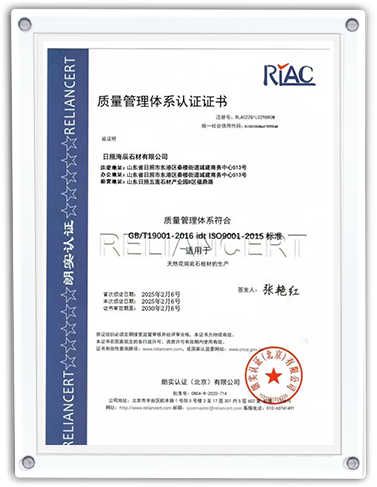
Featured Architectural Stone & Console Table Materials
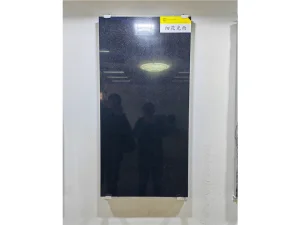
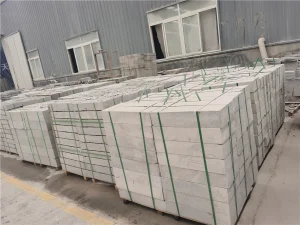
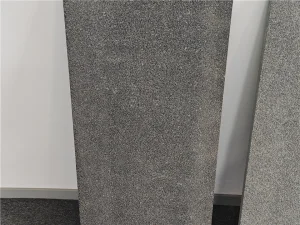
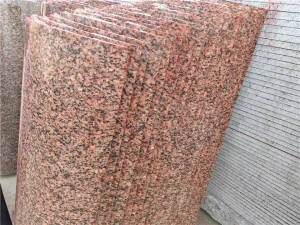
Explore our primary stone matrix engineered for high-end residential, hotel lobby console tables, and architectural cladding. Directly processed at our Rizhao Stone Industrial Park facility.
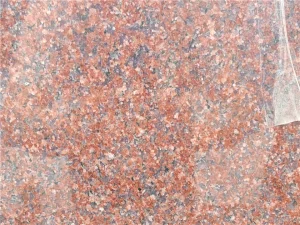
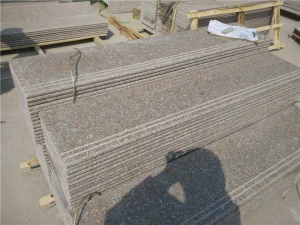
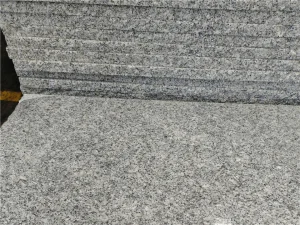

Travertine Hall Table Industry Evolution & Global B2B Market Dynamics
An exhaustive evaluation of global market shifts, architectural demands, and manufacturing innovations driving the surge in Chinese travertine contract manufacturing.
In modern luxury interior architecture, the entry hall serves as the definitive transition zone, setting the acoustic, spatial, and aesthetic tone of a residence, boutique hotel, or corporate headquarters. At the center of this architectural nexus sits the travertine hall table (also frequently specified as a travertine console table or entryway credenza). Over the past five years, global procurement data reveals a structural pivot away from synthetic composites and heavy solid timber toward natural porous stones—specifically Roman Travertine, Italian Silver Travertine, and premium Chinese-quarried limestone and granite variants.
As premier China Travertine Hall Table Manufacturers and Suppliers, facilities based in China's industrial stone centers—such as the Rizhao Stone Industrial Park in Shandong—have transformed the market. Historically, stone furniture fabrication relied on labor-intensive, hand-carved monolithic blocks. Today, the integration of 5-axis CNC diamond waterjets, automated surface calibration, and vacuum resin impregnation allows Chinese manufacturers to deliver high-volume contract orders with sub-millimeter tolerances, custom mitered waterfall edges, and drastically reduced structural weight.
Hospitality & Commercial Procurement
Commercial developers require standardized structural integrity, fire-rated non-combustible materials (Class A1), and anti-stain chemical treatments to withstand heavy lobby foot traffic and luggage impacts.
High-End Residential OEM/ODM Demand
Luxury residential brands demand organic aesthetics: warm beige earth tones, open vacuoles, honed low-sheen surfaces, and architectural pedestal bases (fluted, monolithic, or cantilevered steel-framed geometry).
Architectural Structural Engineering
Transitioning from heavy solid slabs to aluminum honeycomb-backed composite stone panels (5mm natural travertine glued to 15mm aircraft-grade aluminum honeycomb) reduces freight expenses and site installation hazards.
Material Science: Travertine Geological Characteristics & Engineering Modifications
Deep technical breakdown of calcium carbonate travertine pore filling, resin stabilization, and load-bearing reinforcement technologies.
Travertine is a terrestrial sedimentary rock formed by the rapid precipitation of calcium carbonate ($\text{CaCO}_3$) around geothermal hot springs and limestone caverns. Its defining aesthetic—conspicuous linear voids, pits, and fibrous banding—presents unique engineering challenges for furniture applications, particularly long-span hall tables subjected to point loading, liquid exposure, and thermal expansion.
1. Vacuole Filling & Surface Treatment Matrix
Depending on client specifications (Unfilled vs. Filled Travertine), Chinese suppliers utilize three main pore-stabilization processes:
- Transparent Epoxy Resin Filling: Preserves the visual depth of natural holes while sealing the surface completely against moisture and bacteria. Ideal for modern glossy or semi-honed hall tables.
- Color-Matched Cementitious Slurry: Blends ground travertine dust with micro-cement to match the stone base color (Beige, Walnut, Navona, or Titanium Gray). Delivers an authentic matte historical finish favored by European architects.
- Brushed Unfilled (Structural Sealing): Leaves surface pits open for raw tactile texture, applying deep-penetrating fluoropolymer hydro-phobic sealers into the capillaries without blocking the organic stone relief.
2. Physical & Technical Performance Benchmarks (ASTM Standards)
Every slab batch processed for international B2B shipments undergoes rigorous laboratory testing adhering to ASTM C1527 (Standard Specification for Travertine Building Stone) and ASTM C615 parameters:
| Physical Property | ASTM Test Method | Standard ASTM Requirement | Haichen High-Grade Travertine Benchmark |
|---|---|---|---|
| Compressive Strength (Dry) | ASTM C170 | ≥ 52.0 MPa (7500 psi) | 78.4 MPa – 92.1 MPa |
| Flexural Strength (Modulus of Rupture) | ASTM C99 | ≥ 6.9 MPa (1000 psi) | 11.2 MPa – 14.5 MPa |
| Water Absorption by Weight | ASTM C97 | ≤ 2.50 % | 0.35 % – 0.82 % (Sealer Applied) |
| Bulk Density | ASTM C97 | ≥ 2305 kg/m³ | 2450 – 2580 kg/m³ |
| Abrasion Resistance (Hauser Index) | ASTM C241 | ≥ 10.0 | 18.5 (High Resistance) |
6-Stage Precision Manufacturing Workflow for Travertine Console Furniture
How Haichen Stone combines direct quarry sourcing with automated workshop technology to guarantee exact batch matching and seamless edge finishing.
Block Selection & Vein-Cut Scanning
Blocks are evaluated at the quarry face. High-definition 3D laser scanners map interior veining to decide between Vein-Cut (parallel linear bands) or Cross-Cut (cloud-like flower pattern) slicing.
Diamond Wire Sawing & Calibration
Heavy gang saws and diamond wire cutters slice raw blocks into slabs of 18mm, 20mm, or 30mm thickness. Automated calibration lines ensure surface thickness tolerance within ±0.3mm.
Vacuum Resin Impregnation
Slabs enter thermal drying ovens before undergoing two-component epoxy vacuum pressure injection. This seals internal structural fissures while preserving natural color variation.
5-Axis CNC Waterjet Miter Cut
Precision CNC waterjet machinery cuts slab edges at exact 45-degree angles for seamless 45mm to 100mm box-edge table tops and monolithic pedestal legs without visible joint lines.
Hand-Crafted Surface & Edge Finishing
Master stonemasons hand-finish edge bevels, bullnose profiles, or fluted column grooves, polishing surfaces to specified gloss levels (Honed 15-25°, Polished 80-90°, or Antique Brushed).
Dry-Lay Inspection & Modular Assembly
Complete hall tables undergo dry-lay staging under natural daylight D65 lamps. Vein flow across tabletop and leg pedestals is verified before disassembling into protective export packaging.
Global Procurement, B2B Supply Chain & Compliance Risk Mitigation
Navigating overseas logistics, port-factory integration in Shandong, customs compliance, and green building environmental certifications.
Procuring stone furniture from overseas manufacturers requires navigating complex logistics, fragile cargo risk, and regulatory standards. Located in the Shandong Rizhao Stone Industrial Park, Rizhao Haichen Stone Co., Ltd. operates with immediate proximity to two major deep-water international shipping hubs: Rizhao Port and Qingdao Port. This geographic integration reduces inland haulage costs by up to 30% while eliminating transit-induced vibration damage before sea freight containerization.
1. Customs Compliance, ISPM-15, and Export Packaging
Heavy natural stone tables require specialized crating to guarantee zero breakages across transit routes to North America, Europe, the Middle East, and Australia. Export orders comply with international phytosanitary standards:
- Fumigated Solid Wood Crating: All timber packaging undergoes ISPM-15 heat treatment (HT) stamped with official trace numbers.
- High-Density EPE Foam Armor: Tables are fully enveloped in 50mm shock-absorbing EPE foam corners, vacuum-sealed plastic rust/moisture barrier film, and reinforced with corner steel bands.
- Containerized A-Frame Staging: Large travertine console slabs and pre-assembled pedestals are secured onto vertical metal A-frames inside 20GP or 40HQ containers, preventing side-sway load displacement.
2. Green Building ESG Compliance & EPD Documentation
Commercial projects seeking LEED v4 or BREEAM green building certifications require verified environmental disclosure. Natural travertine processed by Haichen Stone provides a significantly lower carbon footprint than engineered quartz or ceramic sinterings:
- Zero Synthetic Binders: Pure natural sedimentary stone contains zero VOC resins (when specifying cementitious slurry filling).
- Recycled Water Sawing Systems: Our factory operates a closed-loop 100% water filtration and stone slurry recycling plant, meeting stringent local environmental protection regulations.
- EPD (Environmental Product Declaration): Traceable life-cycle assessment (LCA) data available for B2B contract specifiers upon request.
Technological Roadmap & Future Trends in Travertine Furniture (2026-2030)
How AI machine vision, lightweight composites, and robotic sculpturing are defining the next decade of stone furniture production.
AI Vein-Matching Algorithms
Implementing camera-based neural networks that auto-scan un-cut travertine slabs, forecasting how continuous veins will wrap around 3D table corners prior to physical saw cutting.
Bio-Based Eco-Resins
Replacing traditional petroleum epoxies with plant-derived bio-resins for pore stabilization, offering UV resistance (zero yellowing) and improved indoor air quality safety.
Ultra-Thin 3mm Flexible Stone Veneer
Developing ultra-thin travertine laminates bonded to flexible fiberglass backing, enabling curved organic wave hall tables with zero structural weight barriers.
Complementary Natural Stone Slabs, Cladding & Architectural Collections
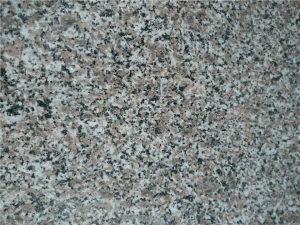
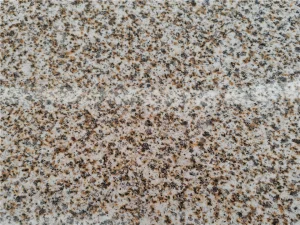
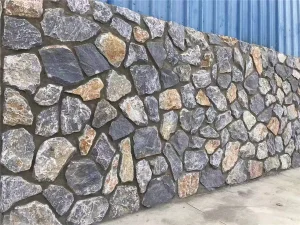
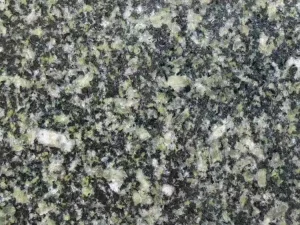
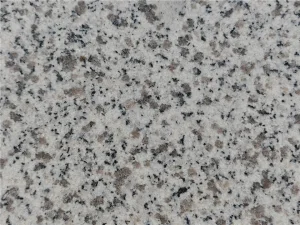
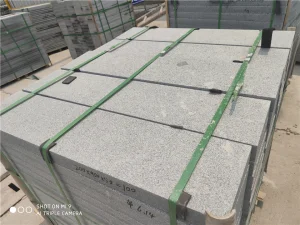
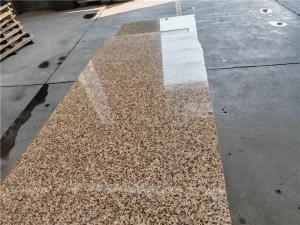
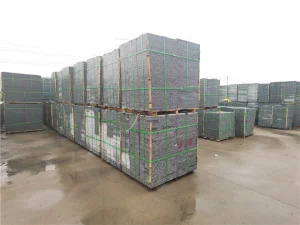
Explore additional quarry products from Haichen Stone's portfolio to consolidate hotel, commercial, and residential contract packages with single-source accountability.
Frequently Asked Questions (FAQ) for Global Buyers & Specifiers
Addressing technical, contractual, quality control, and logistics inquiries for travertine console table procurement from China.