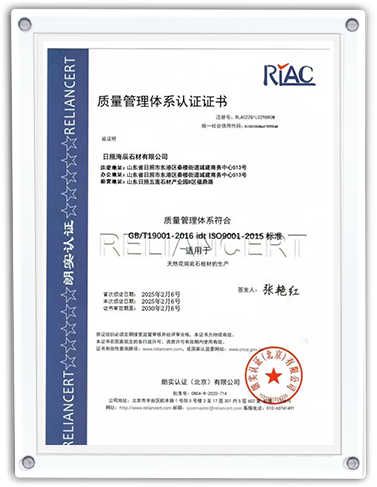
Engineered Architectural & Heavy-Duty Mineral Products
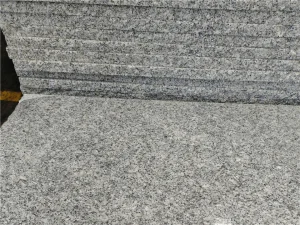
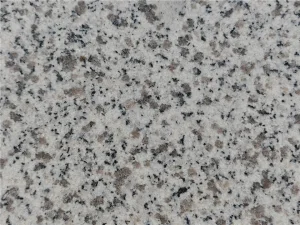
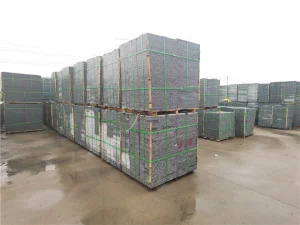
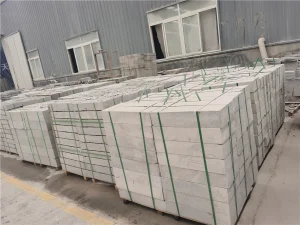
Explore our precision-processed raw stone, granite slabs, and structural facade solutions direct from quarry reserve facilities.
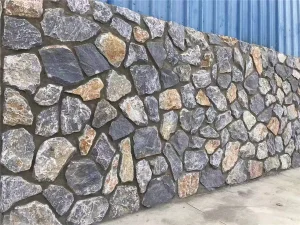
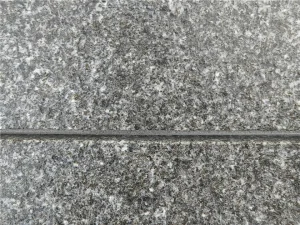
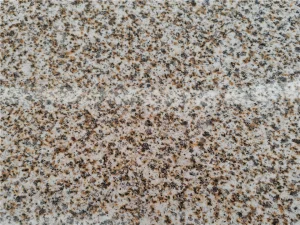


Broken Laminated Glass: Industrial Streamlining & Material Valorization
Navigating complex composite recycling through proprietary PVB delamination, optical sorting, and ultra-pure cullet reprocessing infrastructure.
Advanced Mechanical & Thermal Delamination
Laminated safety glass presents a profound recycling bottleneck due to the cross-linked Polyvinyl Butyral (PVB) or SentryGlas (SGP) interlayers. Our factory operations leverage cryo-milling, low-shear roller crushers, and dynamic autoclaving to achieve complete delamination without altering the glass cullet's original silicate balance.
NIR & Optical Spectroscopic Sorting
Post-delamination, broken laminated glass fractions undergo multi-spectrum near-infrared (NIR) and ultra-high-resolution optical sorting. This isolates low-iron ultra-clear cullet, tinted float matrices, and pyrolytic low-E coatings, preventing chemical contamination in high-end glass manufacturing batches.
Heavy Structural Synergy & Composites
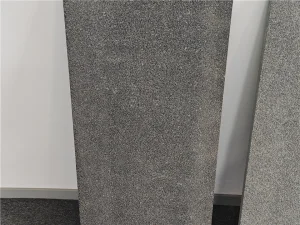
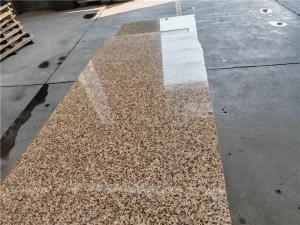
By synchronizing broken architectural glass recovery with heavy quarry processing (including granites like G603, G602, and G3760), our facilities supply ultra-tough glass-mineral pozzolanic binders, terrazzo matrices, and glass-reinforced resin panels with high flexural tensile ratings.
Industrial Insight: Utilizing high-grade broken laminated glass cullet in industrial melting kilns lowers the melting point of soda-lime glass formulations by up to 200°C. For every 10% increase in certified secondary cullet utilized, direct atmospheric greenhouse gas emissions drop by approximately 5%, significantly offsetting global Scope 1 emission liabilities.
Commercial Reality: Global Scarcity & Raw Material Economics
Understanding macro supply chains, regulatory landfill bans, and why wholesale procurement of sorted broken laminated glass has become critical for high-volume processors.
Soaring Primary Sand Costs
Industrial silica sand deposits face intense environmental restrictions, depleted extraction yields, and elevated transportation tariffs. Procuring bulk-grade broken laminated glass provides verified silica reserves at substantial discounts, directly shielding foundries from price volatility.
Landfill Penalties & Extended Producer Laws
The European Union, North American municipalities, and Asian hubs now impose steep diversion mandates for architectural flat glass. Unprocessed laminated panels dumped in municipal landfills incur punitive tariffs. Modern enterprises require reliable wholesale processing pipelines to convert liability into revenue.
PVB Resin Commodity Arbitrage
Beyond the structural glass cullet, reclaimed PVB films recovered from the delamination line are purified, melt-compounded, and reintroduced into acoustic sound-dampening insulation sheets, premium carpet backing layers, and secondary automotive undercarriage shields.
Delaminated Broken Laminated Glass: Material Quality Standards
Precision parameters adhering to ISO 14021 recycled content definitions and EN 12600 safety residual metrics.
| Classification Grade | Grain Size Profile (mm) | Permissible Polymer Impurity | Heavy Metal / Lead Threshold | Target Industrial Use |
|---|---|---|---|---|
| Grade A+ Premium Clear | 0.5 – 6.0 mm (Screened) | < 0.005% (50 ppm) | < 10 ppm (RoHS/REACH Compliant) | Container glass, Float glass remelting, Fiber optics |
| Grade A Industrial Float | 2.0 – 15.0 mm | < 0.02% (200 ppm) | < 50 ppm | Glass wool insulation, Micro-glass beads, Enamels |
| Grade B Architectural Aggregate | 4.0 – 25.0 mm | < 0.1% (1,000 ppm) | < 100 ppm | Engineered stone slabs, Terrazzo, Exposed facade panels |
| Grade C Pozzolanic Fines | < 75 μm (Micronized) | < 0.05% (500 ppm) | < 100 ppm | Hydraulic cement replacement, High-durability geopolymers |
Engineered Applications Across Infrastructure & Construction
How processed broken laminated glass cullet bridges the gap between mineral aggregate extraction and sustainable building envelopes.
Engineered Stone & Countertop Matrix
Crushed tempered-laminated cullet displays distinct crystalline refractions. When mixed with granite fines and bio-resins, it creates abrasion-resistant slabs with non-porous surfaces exceeding Mohs 6 hardness.
Pozzolanic Concrete & Grouting
Milled down to micro-silica scale, post-laminated glass undergoes intense pozzolanic reactions with calcium hydroxide (Ca(OH)₂), mitigating Alkali-Silica Reactions (ASR) while boosting compressive structural resilience.
Thermal & Acoustic Lightweight Insulation
Through sintering processes, crushed laminated cullet is foamed to fabricate lightweight cell-glass blocks. These deliver absolute fire-impermeability (Euroclass A1) and high acoustic isolation for high-rise elevator shafts and party walls.
Permeable Eco-Paving & Urban Hardscaping
Combined with permeable concrete and flamed granite curbs, tumble-smoothed glass cullet provides durable urban porous surfaces that recharge natural aquifers while resisting oil and hydraulic fluid leaching.
Localized Compliance, Traceability & Risk Mitigation
Direct adherence to European CE directives, US ASTM criteria, and strict maritime container transport load safety rules.
ASTM C1866 & EN 196-2 Conformance
Every cullet batch exported from our factory undergoes automated chemical digestion and X-Ray Fluorescence (XRF) testing, ensuring compliance with international pozzolan standards and strict alkali content thresholds.
Packaging & Marine Logistics Stability
Broken glass shipments carry high rupture risks. We enforce double-lined high-tensile polypropylene big-bags (FIBC) with UV-stabilizers and moisture seals, loaded directly at Rizhao or Qingdao deep-water container terminals to prevent transit contamination.
Chain-of-Custody ESG Certification
To support LEED v4.1 and BREEAM certifications for our buyers, each shipment is coupled with a traceable mill certificate tracking material provenance from verified post-industrial flat glass processing lines.
Technology Roadmap: Next-Generation Cullet Refining
Forward engineering pathways driven by AI vision integration, low-carbon chemistry, and hyper-clean polymer separation.
Electro-Dynamic Cavitation
Deploying high-voltage pulse shockwaves in water baths to cleanly shatter the glass-PVB interface with zero polymer smearing or dust generation.
AI Robotic Hyper-Spectral Sort
Introducing deep learning computer vision to isolate glass fragments based on iron content and solar coatings at line speeds exceeding 12 metric tons per hour.
Enzyme Interlayer Digestion
Pilot biological decomposition pipelines leveraging enzymatic solutions to break down modified interlayers (EVA, SGP) into circular basic alcohols without heat.
Synthetic Geopolymer Binders
Transforming 100% of ultra-fine cullet residues into non-clinker structural cements capable of curing at ambient room temperature with zero Portland limestone calcination.
Export-Grade Natural Stone & Architectural Assemblies
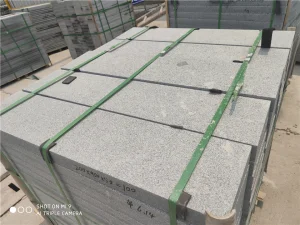
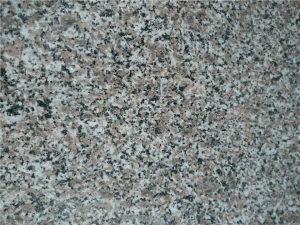
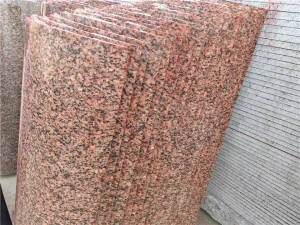
Direct factory supply of precision cut-to-size cladding, granite curbstones, polished architectural panels, and heavy-duty building components.
Frequently Asked Technical & Sourcing Questions
Direct insights into factory delamination capabilities, minimum order volumes, material purity verification, and international shipping protocols.