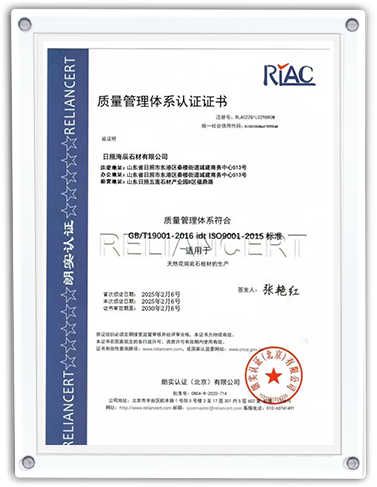
Featured Granite & Architectural Stone Solutions
Quarry-direct structural stone slabs and engineered surfaces optimized for high-gloss liquid polishing and chemical sealants.
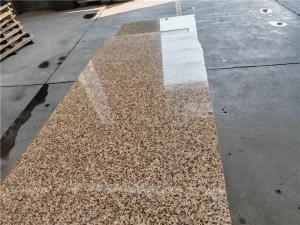
China A1684 Golden Hemp Granite Countertops Manufacturer, Factories
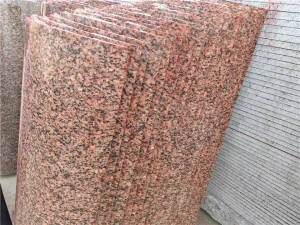
Wholesale G352 General Red Granite Cladding Panels Manufacturers, Factories
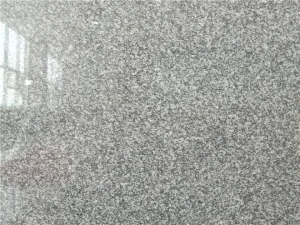
China G3743 Lu Grey Granite Building Stone Manufacturer, Factories
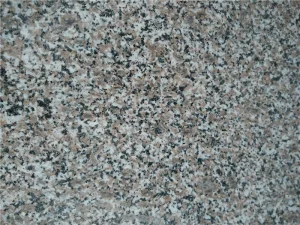
China Other Colours Granite – Custom Orders Manufacturers, Factories
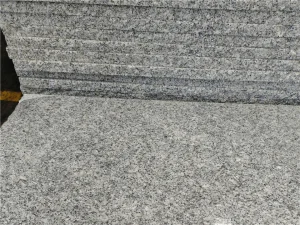
Wholesale G602 Sesame White Granite Manufacturer, Supplier
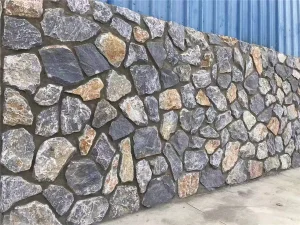
Wholesale Chinese Culture Granite: Stone Chronicles a Millennium, Artistry Inherits the Orient Manufacturer, Suppliers
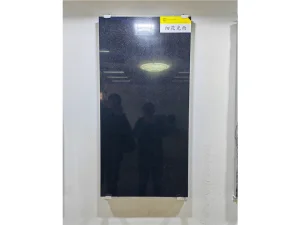
China G3401 Shanxi Black Granite Manufacturer, Factory
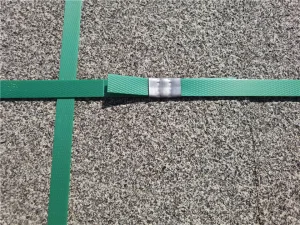
Wholesale G654 Sesame Black Granite Polished Slabs Suppliers, Factories
Advanced Chemical Science of Granite Polish Liquids
Understanding surface micro-crystallization, fluorosilane cross-linking polymer matrices, and specular gloss enhancement on dense silicate structures.
Granite is a complex igneous rock composed primarily of quartz, potassium feldspar, plagioclase, and minor mica minerals. Due to its high silica content and Mohs hardness rating between 6 and 7, conventional acid-crystallization compounds designed for calcium carbonate stones (such as marble or limestone) are chemically ineffective on granite surfaces. Modern commercial natural stone maintenance demands a specialized chemical strategy: high-performance granite polish liquids formulated with nano-silicate dispersions, fluorosilane hydrophobic sealers, and sub-micron abrasive slurries.
Chemical Formulation Architecture: Acidic vs. Neutral Nano-Polish Solutions
Commercial wholesale buyers and stone restoration professionals must select chemical agents based on specific job-site criteria. Liquid polishes generally fall into two distinct chemical pathways:
| Formulation Parameter | Acidic Reactive Polish Liquids | Neutral Nano-Polymer Polish Liquids |
|---|---|---|
| Primary Active Ingredient | Fluorosilicate complex + oxalic carrier derivatives | Colloidal silica + fluorosilane emulsion |
| Reaction Mechanism | Chemical surface etch and ionic lattice bonding | Sol-gel nano-pore filling & polymer cross-linking |
| Specular Gloss (GU Index) | 85 – 98 GU (Vitreous wet-look gloss) | 75 – 90 GU (Satin to natural wet gloss) |
| Chemical Resistance | High resistance to oil and household acids | Exceptional UV stability and water repellency |
| Vapor Permeability | Semi-permeable (Breathable) | 100% Breathable micro-porous structure |
| Primary Application | High-traffic indoor commercial granite floors | Outdoor facades, countertops, sensitive dark granites |
When applied using continuous rotary agitation, the active fluorosilicate compounds react with trace metal ions and free silica within the stone matrix. This forms an ultra-thin, diamond-hard fluorinated silica protective shell. Simultaneously, organosilanes act as pore-penetrating water repellents, preventing moisture ingress—the root cause of efflorescence, freeze-thaw spalling, and deep-seated organic staining in exterior granite applications.
Localized Application Scenarios & Engineering Protocols
Tailored treatment methodology for diverse architectural installations, climatic stresses, and functional performance expectations.
High-Traffic Municipal Plazas & Transit Terminals
Heavy pedestrian footfall introduces abrasive sand particulates, severe scratching, and daily spill threats. Utilizing neutral colloidal polish liquids coupled with heavy floor machines builds an oil-repellent micro-barrier that drastically simplifies routine damp-mop cleaning cycles while resisting slip hazards (conforming to ANSI A137.1 dynamic coefficient of friction standards).
Luxury Residential Countertops & Hospitality Surfaces
Kitchen island countertops fabricated from dark granites like Shanxi Black or G654 require non-yellowing, food-safe polished finishes. Our specialized fluorosilane liquids seal micro-fissures against acidic culinary liquids (lemon juice, wine, oils) without producing greasy chemical film residues or altering original stone color depth.
Exterior Building Cladding in Harsh Coastal Climates
Vertical rain-screen granite panels exposed to salt-spray air, intense solar UV radiation, and atmospheric pollution suffer from surface oxidation and gloss degradation. Hydrophobic liquid polish sealers establish a breathable siloxane lattice that stops salt crystallization (efflorescence) while reflecting harmful UV spectra.
Global Commercial & Industrial Market Overview
Analyzing shifting international demand, regulatory shifts, and regional performance trends in chemical stone care compounds.
The global natural stone care market is experiencing unprecedented demand for chemical processing agents that reduce environmental footprint while providing extended service life for commercial real estate. According to international architectural stone market studies, global granite production and maintenance investments exceed $45 Billion annually, with post-installation chemical treatment representing one of the fastest-growing segments.
North America & European Union Demand
Strict regional environmental legislation (such as EU REACH standards and US South Coast Air Quality Management District VOC limits) forces facilities managers to retire traditional solvent-based polishers. Wholesale buyers now mandate water-borne, ultra-low VOC fluorocarbon polish emulsions that comply with LEED v4 green building certifications without sacrificing clarity or durability.
Middle East & Gulf Cooperation Council (GCC) Sector
Mega-scale infrastructure projects in Saudi Arabia, UAE, and Qatar utilize vast square meterage of light-colored granite paving. Extreme thermal cycling (ambient air temperatures ranging from 15°C to 50°C daily) coupled with blowing silica sand creates abrasive mechanical etching. High-temperature resistant silicone-alkoxide polish liquids are crucial for protecting these structural assets.
Technology Roadmap & Future Outlook
Innovative trajectory of stone care chemistry: Next-generation nanotechnologies shaping the next decade of surface protection.
Phase 1: Nano-Silica Self-Healing Liquid Formulations (Current Market Standard)
Integration of active spherical silica nanoparticles (10-30nm diameter) that dynamically migrate under mechanical friction to seal microscopic surface micro-fissures and scratches, instantly restoring optical clarity to weathered granite slabs.
Phase 2: Photocatalytic & Self-Cleaning Anti-Graffiti Liquid Matrix (Next-Gen Production)
Incorporation of sub-micron titanium dioxide ($TiO_2$) particles within fluorinated resin carriers. Under natural solar daylight, the treated stone surface generates hydroxyl radicals that continuously decompose organic grime, smoke stains, and paint aerosol residue.
Phase 3: Bio-Based Fluorine-Free Hydrophobic Polymers (Emerging R&D Target)
Replacing traditional PFAS/PFOS fluorinated compounds with plant-derived hydrophobic organo-silicon derivatives. This delivers 100% biodegradable surface protection while maintaining oil and stain repellency benchmarks required by international commercial specifications.
China Factory Supply Chain Resilience & Manufacturing Efficiency
Leveraging industrial cluster integration in Rizhao, Shandong to deliver unmatched quality consistency, rapid OEM turnaround, and cost optimization.
As a leading Chinese chemical synthesis manufacturer and direct granite quarry operator, our enterprise bridges raw material refining with final job-site application. Our industrial complex located in the Rizhao Stone Industrial Park, Shandong Province represents a state-of-the-art hub where chemical formulation, block cutting, and stone surface treatments happen in perfect synergy.
Automated Chemical Blending & Micro-Filtering
Our automated liquid production lines utilize computer-controlled mass flow meters and high-shear emulsification reactors. Every batch of granite polish liquid undergoes 0.2-micron multi-stage filtration to eliminate un-dissolved salts, guaranteeing streak-free application even on high-gloss black granite slabs.
Port-Adjacent Logistics Infrastructure
Situated within short transport radius of both Rizhao Port and Qingdao Port, our manufacturing facility streamlines chemical export clearance. We handle all dangerous/non-hazardous liquid export documentations, UN-rated HDPE drum packaging, and ISO-tank bulk shipments with zero logistical delays.
Economies of Scale & Private Label (OEM/ODM)
With an annual liquid synthesis capacity exceeding 15,000 Metric Tons, we provide contract manufacturing for global stone care brands. From custom bottle blow-molding and private label screen printing to localized pH adjustments, we deliver maximum margin efficiency to wholesale distributors.
Localization Support & International Compliance Standards
Ensuring complete regulatory peace of mind with globally recognized safety certifications and localized technical documentation.
Safety Data Sheets (SDS)
Fully compliant 16-section SDS documentation prepared according to GHS Rev.8 regulations, available in over 20 localized languages for fast customs clearance.
REACH & RoHS Registered
Formulations tested and verified free of SVHC (Substances of Very High Concern), heavy metals, or banned toxic aromatic solvents for safe EU distribution.
ASTM C615 & EN Standards
Tested alongside structural granite slabs to verify zero long-term impact on stone flexural strength, slip resistance, or vapor breathability metrics.
Custom Density & Viscosity
Tailor-made viscosity variants (from water-thin sprays to gel-like polishes) tuned for tropical heat or freezing ambient job-site conditions.
Extended Commercial Stone Slabs & Pavers
Explore our quarry-source natural granite products optimized for factory liquid polishing and precision architectural masonry.
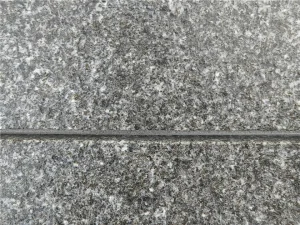
China G3701 Binzhou Blue Granite Suppliers, Factory
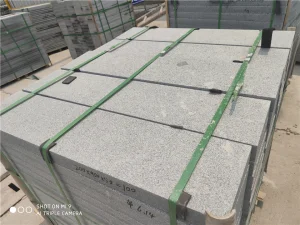
China G654 Sesame Grey Granite Flamed Finish Supplier, Factories
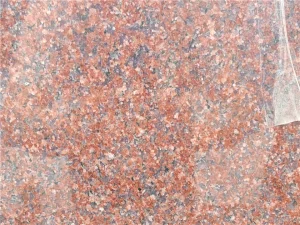
Wholesale G386 Shidiao Red Granite Tiles Manufacturers, Suppliers
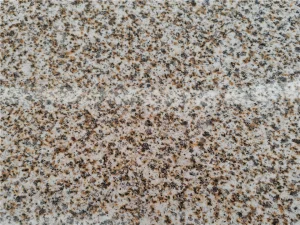
Wholesale G682 Yellow Rust Granite for Paving Suppliers, Factories
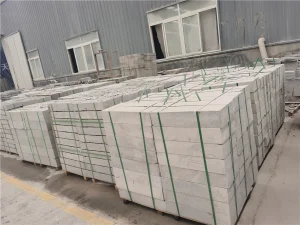
Wholesale Limestone Granite: Nature's Dual Gift Manufacturer, Factory
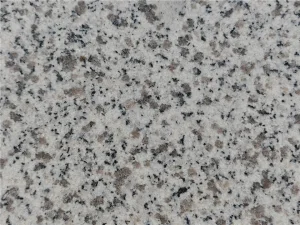
Wholesale G3760 Shandong White Marble Granite Manufacturers, Suppliers
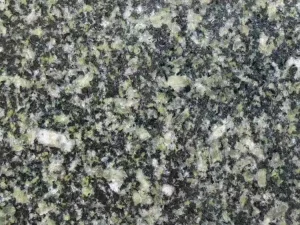
China G4101 Forest Green Granite Veneer Panels Supplier, Factories
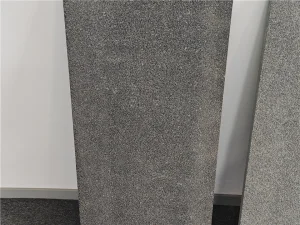
Wholesale G684 Fuding Black Granite Factories, Factory
Frequently Asked Questions (FAQ) — Granite Polish Liquids
In-depth technical answers curated by senior chemical engineers and stone restoration specialists.
What makes granite polish liquid chemically different from marble polish chemical compounds?
Marble is predominantly composed of calcium carbonate ($CaCO_3$), which readily reacts with soft acidic fluorosilicate compounds to create a soft calcium fluoride layer. Granite, conversely, is an igneous rock composed of quartz and silica-rich feldspar (Mohs 6-7). Granite polish liquids must utilize higher-energy fluorosilane cross-linking chemistry combined with nano-scale colloidal silica slurries. This mechanical-chemical process builds a vitreous micro-bond over silica grains without etching the stone.
How is liquid granite polish applied in large-scale commercial floor projects?
For optimal gloss, the granite floor must first be mechanically honed using diamond abrasive pads up to 1500 or 3000 grit. Next, apply approximately 10–15 ml per square meter of liquid polish. Utilize a heavy single-disc rotary machine (minimum 45–60 kg, 175 to 300 RPM) equipped with a fine steel wool pad (#0 or #1) or specialized white synthetic crystallization pad. Work in small sections (1–2 $m^2$) until the liquid dries and buffing generates friction heat, transforming the liquid into a mirror finish.
What is the coverage rate and theoretical yield per liter of polish liquid?
Depending on stone porosity and mechanical preparation, one liter of our concentrated granite polish liquid covers approximately 40 to 60 square meters ($m^2$) for maintenance crystallization, and 25 to 35 square meters ($m^2$) for initial deep restoration on raw cut or honed granite surfaces.
Does liquid polish alter the natural slip resistance (COF) of commercial granite floors?
No. When applied according to manufacturer instructions, high-grade fluorosilane liquid crystallization does not create a slippery acrylic film. Instead, it densifies the surface micro-pores. Laboratory tests confirm that dry and wet Dynamic Coefficient of Friction (DCOF) values remain fully compliant with ADA and ANSI A137.1 safety standards for public walking surfaces.
What is the shelf life and storage requirement for wholesale liquid containers?
Stored in original unopened sealed HDPE drums or bottles at temperatures between 5°C and 35°C (41°F to 95°F), the guaranteed chemical shelf life is 24 months from production date. Keep away from direct thermal radiation and freezing conditions to prevent polymer emulsion separation.
Can your factory supply custom private labeling (OEM) and tailored formulations?
Yes. As a direct chemical synthesis manufacturer in Shandong, China, we offer complete OEM/ODM solutions. We can adjust chemical active solids concentrations (from 15% to 45%), tailor fragrance and color, customize screen-printed bottle packaging (1L, 5L, 20L drums), and generate localized GHS-compliant branding for global distributors.
How do you ensure safe international sea freight shipping for chemical liquids?
Our polish liquids are classified as non-hazardous, non-flammable liquid goods under IMDG (International Maritime Dangerous Goods) standards. Shipments are packaged in UN-certified heavy-duty HDPE containers, palletized with shrink-wrap, and shipped directly from nearby Rizhao Port or Qingdao Port with full MSDS, COA, and Sea Freight Safety Certificates included.