Direct Factory Portfolio
Engineered Architectural Glass & Structural Stone Catalog (Series I)
Direct factory production matrices delivering structural durability, calibrated surface finishes, and strict dimensional tolerances for institutional and multi-story commercial infrastructure.
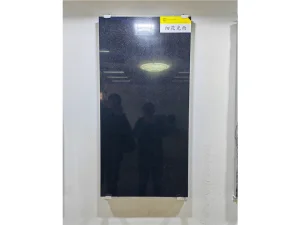
China G3401 Shanxi Black Granite Manufacturer, Factory
View Specifications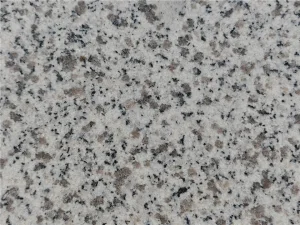
Wholesale G3760 Shandong White Marble Granite Manufacturers, Suppliers
View Specifications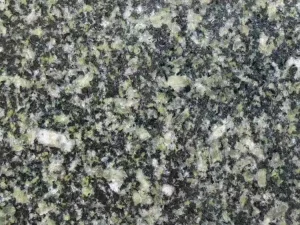
China G4101 Forest Green Granite Veneer Panels Supplier, Factories
View Specifications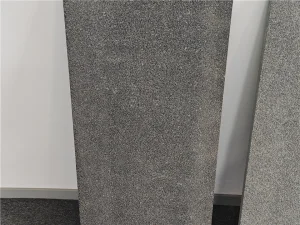
Wholesale G684 Fuding Black Granite Factories, Factory
View Specifications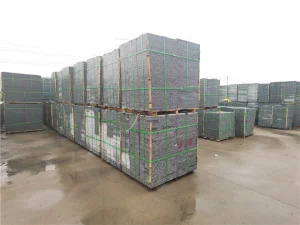
China G3702 Snowflake Blue Granite Manufacturers, Supplier
View Specifications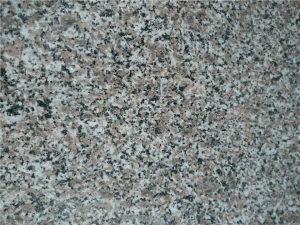
China G6361 Wulianhua Granite for Landscaping Manufacturer, Factories
View Specifications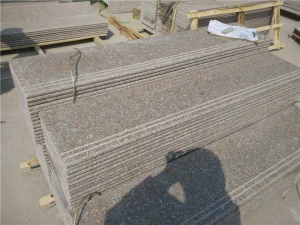
Wholesale G368 Wulian Red Granite Paving Stones Supplier, Suppliers
View Specifications
Technical White Paper Overview
State of Global Glass Engineering: Structural PVB & White Interlayer Dynamics
In modern architectural glass manufacturing, White Laminated Glass represents an essential fusion of safety, solar control, light diffusion, and privacy. Specifying tier-one laminated glazing demands systemic compliance with global structural safety codes and thermal stress metrics.
Interlayer Technology & Translucency Tuning
White laminated architectural glass achieves uniform opacity and high light diffusion by embedding pigmented polyvinyl butyral (PVB) or ethylene-vinyl acetate (EVA) films between high-grade float glass panels. Translucency grades range from 65% (diffuse milky white) down to 7% (super-opaque pure white), allowing precision solar glare limitation while preventing visible indoor shadows without sacrifice to ambient luminescence.
Post-Breakage Structural Integrity (Fail-Safe)
Under severe impact or mechanical stress, annealed or tempered white laminated glass retains fragment coherence. The viscoelastic PVB interlayer dissipates dynamic shock waves and maintains physical barrier integrity even if both outer glass lites crack. This eliminates hazardous falling glass shards in overhead skylights, high-traffic pedestrian balustrades, and external curtain wall skins.
Spectral Selectivity & Acoustic Decoupling
Beyond visual seclusion, our specialized white laminated interlayer formulations absorb over 99% of damaging ultraviolet radiation (UV-A and UV-B across 280–380 nm bands), preventing interior material degradation. Concurrently, the multi-ply composite functions as a viscoelastic acoustic dampener, achieving a Sound Transmission Class (STC) enhancement of 3 to 6 dB over monolithic panes of equivalent mass.
99.8%
On-Site Acceptance Rate
<0.1%
Defect & Delamination Rate
50%
Automation Efficiency Uplift
1000+
Global Projects Delivered
Technical Benchmarks
Engineering Reference: Interlayer & Physical Parameters
Precision data tailored for façade engineers, structural consultants, and specification directors to streamline ASTM, EN, and ISO project compliance.
| Specification Parameter | Standard White Laminated (PVB) | High-Opacity Ultra White | Testing & Compliance Protocol |
|---|---|---|---|
| Nominal Composition | 4mm + 0.38/0.76 PVB + 4mm to 12mm+1.52+12mm | 5mm + 1.14/1.52 Multi-PVB + 5mm | ISO 12543-1 / ASTM C1172 |
| Visible Light Transmittance (VLT) | 35% – 65% (Diffused Daylight) | 7% – 20% (Maximum Privacy) | EN 410 / NFRC 200 |
| UV Rejection Index | > 99.2% (280 nm - 380 nm) | > 99.8% (Broadband Solar Spectrum) | ISO 9050 / ASTM E424 |
| Sound Reduction Index (Rw / STC) | 35 dB - 39 dB (Single Composite) | 38 dB - 42 dB (Acoustic Grade PVB) | EN ISO 10140 / ASTM E90 |
| Impact Resistance Class | Class 1(B)1 (EN 12600) / Category II (CPSC 16 CFR) | Class 1(B)1 / ANSI Z97.1 Standard | Drop Weight & Shot Bag Dynamic Testing |
| Boil Test / Bake Resistance | No bubbles, delamination, or hazing after 2 hrs @ 100°C | Zero delamination after 16 hrs @ 100°C | EN ISO 12543-4 / ANSI Z97.1 |
System Integration
Turnkey Building Envelopes: Glass, Stainless Hardware & Sub-frames
Haichen Stone eliminates cross-trade operational friction by manufacturing unified architectural solutions—bundling precision laminated glazing, high-load structural steel skeletons, and CNC-machined architectural clamping fittings.
Structural Steel Façade Skeletons
We engineer and fabricate custom industrial-grade structural steel frameworks, providing high-load sub-frames capable of supporting large-span glass curtain walls, canopies, and exterior decorative masonry panels. Modular pre-drilling and hot-dip galvanization ensure swift, weld-free assembly on site.
Marine-Grade Stainless Glass Clamping
Our complete line of CNC-milled 304 and 316-grade stainless steel glass clamps, spider fittings, and standoff brackets are verified for tensile yield capacity. These deliver certified compatibility with custom-thickness white laminated glass panels, preventing localized point stress and premature micro-fracturing.
Thermally Broken Window & Door Systems
Factory-assembled high-performance aluminum window profiles incorporate polyamide thermal breaks. When glazed with insulated white laminated units, these systems comply with strict regional energy conservation codes (such as ASHRAE 90.1 and European EnEV standards), dramatically reducing HVAC thermal loss.
Global Compliance & Freight
Dual-Port Strategic Advantage & International Code Alignment
Direct port connectivity coupled with multi-jurisdictional standards certification ensures rapid custom clearing, lower break-bulk transit risks, and zero operational bottlenecks.
North American Compliance (ASTM & CPSC)
Our laminated architectural glass and cladding materials are tested in accordance with ASTM C1172 (Standard Specification for Laminated Architectural Flat Glass) and meet CPSC 16 CFR 1201 (Category I and II) safety impact regulations for hazardous locations, assuring problem-free approval by municipal building inspectors across the USA and Canada.
European Union Harmonization (CE & EN 14449)
Every exported glass batch bears Factory Production Control (FPC) audit validation conforming to EN 14449: Evaluation of conformity for laminated glass. With full Declaration of Performance (DoP) documentation and REACH chemical safety declarations, European project partners avoid customs delays and post-installation audit penalties.
Port-Factory Dual Hub Connectivity
Positioned immediately adjacent to Rizhao Port and within easy reach of Qingdao Port, our facilities capitalize on integrated intermodal freight routes. Direct-to-berth container drayage reduces inland transit costs by up to 30%, prevents intermediate shock damage, and secures predictable departure windows to Europe, the Americas, and the Middle East.
Structural Deployments
Architectural Applications for White Laminated Envelopes
Engineered for commercial spaces where visual serenity, natural illumination, and strict fall-protection safety mandates intersect.
Interior Office Demising Walls
Transforms high-density corporate interiors by transmitting daylight while delivering total visual privacy. Combines up to 40 dB acoustic decoupling to safeguard boardrooms, executive suites, and medical conference environments.
Overhead Atriums & Skylights
Mitigates severe solar glare and hotspot generation by diffusing direct downward sunlight into soft, uniform ambient illumination. Even under catastrophic hail or thermal fracture, the PVB membrane prevents panel collapse.
High-Traffic Balustrades & Parapets
Delivers clean, opaque modern aesthetics along perimeter walkways, public escalators, and airport terminals. Completely obscures mechanical installations and underfloor utilities while offering certified fall protection.
Healthcare & Sterile Environments
The non-porous glass surfaces resist continuous hospital-grade disinfectant wipe-downs without hazing or pitting. Sealed encapsulated PVB prevents any microbiological growth, making it optimal for surgical suites and laboratories.
Industry Horizon
Technology Roadmap: High-Ion Polymers & Photovoltaic Glass
Leading the next generation of building-integrated architectural materials through sustainable processing, ionoplast chemistry, and active daylight management.
SentryGlas® Ionoplast Interlayer Integration
Transitioning from traditional PVB to advanced ionoplast interlayers yields composite sheets that are 5 times tougher and up to 100 times stiffer. This eliminates creep under high sustained thermal loads, allowing thinner, lighter glass assemblies with open, frameless, and fully exposed polished edges without risk of edge delamination.
Building-Integrated Photovoltaic (BIPV) White Glazing
By pairing high-opacity white ceramic frit and specialized back-contact solar cell arrays behind diffuse white laminated covers, tomorrow's curtain walls convert sunlight into electrical power while preserving an architecturally monolithic, non-glare opaque white façade envelope.
Circular Economy & Carbon Neutral Processing
Optimizing automated diamond cutting lines, CNC water-jet recycling, and closed-loop autoclave heat recuperation systems has shortened our manufacturing energy cycle by 24%. Natural mineral and float glass cullet are completely diverted from regional landfills and fed back into certified primary float furnaces.
Procurement Due Diligence
Frequently Asked Technical & Commercial Questions
Actionable answers to technical queries frequently raised by project procurement leads, lead facade engineers, and international importers.
Is your facility a direct manufacturer or an export intermediary broker?
Rizhao Haichen Stone Co., Ltd. is a vertically integrated producer operating independent stone fabrication lines and architectural building material facilities in the Shandong Stone Industrial Park. Holding self-managed export rights, we deal directly with architects, main contractors, and wholesale importers worldwide, eliminating trading margins and maintaining strict control over raw material grading, tolerances, and batch tracking.
What is the technical distinction between White Laminated Glass and White Frosted/Acid-Etched Glass?
Frosted or acid-etched glass achieves translucency through abrasive physical surface treatment (sandblasting) or chemical acid erosion on one side of a monolithic sheet. This leaves microscopic surface roughness vulnerable to fingerprint oil accumulation and dirt adhesion. Conversely, White Laminated Glass encapsulates smooth float glass on both outer faces with a pigmented milky white PVB interlayer in the center. Its outer surfaces remain perfectly smooth and stain-resistant, while imparting certified fail-safe shatter resistance that monolithic frosted glass cannot match.
How is delamination and edge bubble formation prevented in high-humidity climates?
Edge delamination in low-grade laminated glass occurs due to moisture penetration plasticizing the interlayer edge under sustained humidity and UV exposure. Our autoclaving protocol subjects laminated assemblies to 13.5–14.5 bar pressure at 135°C–145°C for tightly monitored heating-cooling profiles, achieving cross-link molecular bonding. Furthermore, we mandate neutral non-acetic structural silicone sealants to prevent chemical acid degradation of the perimeter PVB film.
What packaging and moisture-protection measures are utilized for transoceanic voyages?
Every crate is custom-built from fumigated solid pinewood in full compliance with ISPM-15 standards. Glass and stone panels are individually spaced with non-marking polymer pads, closed-cell polyethylene cushioning, and desiccant bags, then wrapped in hermetically sealed plastic foil to prevent condensation staining. Heavy-duty external steel banding ensures high racking resistance during crane hoist maneuvers at Rizhao or Qingdao Port terminals.
Can project engineers consolidate glass, structural steel frames, and natural stone in one order?
Yes. One of our core strategic competitive strengths is integrated building envelope supply. Contractors can cross-consolidate custom-cut exterior granite facade panels, white laminated glass balustrades, stainless steel connection spiders, and prefabricated structural steel frameworks in the same container manifest. This substantially reduces destination customs clearance fees, optimizes container cubic payload, and simplifies project site scheduling.
What quality inspection protocols can third-party verification agencies execute prior to dispatch?
We welcome certified third-party testing agencies (such as SGS, Bureau Veritas, or TÜV) to our workshop facilities. Standard factory checks cover 100% optical distortion assessments, ultrasonic thickness measurement, hydrothermal boil testing (EN ISO 12543-4), corner diagonal squareness verification, and daylight colour matching against signed architect control samples.
Factory Inventory Series II
Engineered Architectural Glass & Structural Stone Catalog (Series II)
Precision-fabricated natural materials and complementary cladding assemblies engineered to match international structural benchmarks and aesthetic criteria.
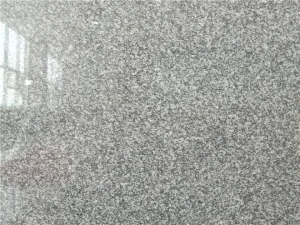
China G3743 Lu Grey Granite Building Stone Manufacturer, Factories
View Specifications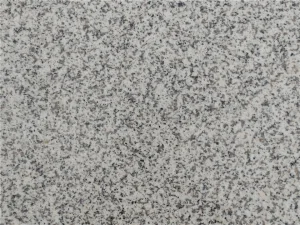
China G603 Sesame White Granite Suppliers, Factory
View Specifications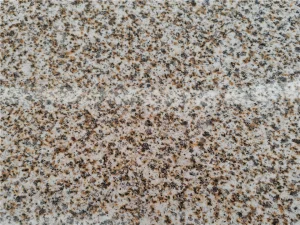
Wholesale G682 Yellow Rust Granite for Paving Suppliers, Factories
View Specifications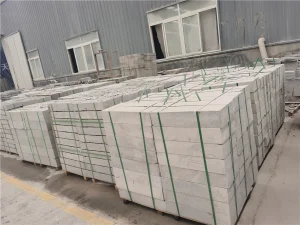
Wholesale Limestone Granite: Nature's Dual Gift Manufacturer, Factory
View Specifications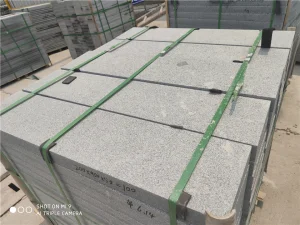
China G654 Sesame Grey Granite Flamed Finish Supplier, Factories
View Specifications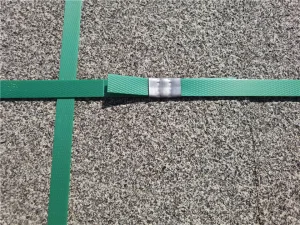
Wholesale G654 Sesame Black Granite Polished Slabs Suppliers, Factories
View Specifications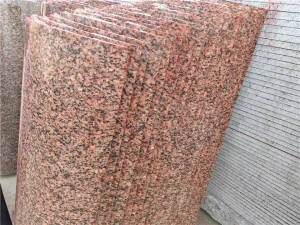
Wholesale G352 General Red Granite Cladding Panels Manufacturers, Factories
View Specifications