
Bangladesh’s accelerating structural landscape—manifested in colossal master plans like the Dhaka Metro Rail, Hazrat Shahjalal International Airport Terminal 3, and high-density economic zones in Mirsarai and Matarbari—has radically transformed the specification parameters for architectural stone. Historically dependent on permeable terracotta bricks and unreinforced concrete curbings, regional developers now encounter unprecedented maintenance overheads caused by high relative humidity (averaging 75% to 85% year-round) and intense monsoon deluges exceeding 2,500 mm annually. In this ecological environment, porous materials fall victim to catastrophic efflorescence, biological slime buildup, and capillary rising damp.
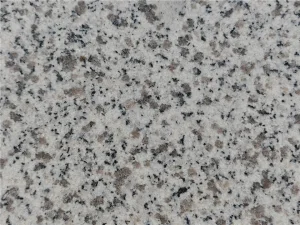
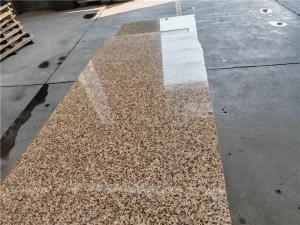
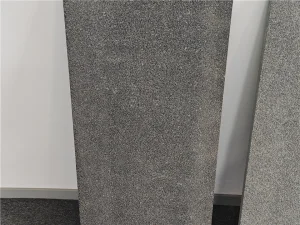
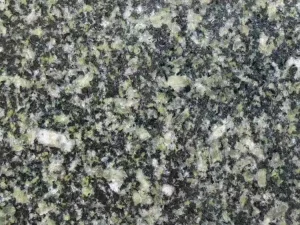
Green Granite (specifically variations like G4101 Forest Green, Emerald Pearl alternatives, and Peacock Green) has surfaced as the premiere civil-engineering choice for premium corporate offices in Gulshan, Banani, and Motijheel, alongside governmental complexes. Containing high concentrations of interlocking pyroxene, amphibole, and quartz micro-matrices, our Chinese green granite presents a water absorption ceiling of merely 0.18%. This prevents structural softening, surface spalling, and sub-surface iron oxide leaching (rusting) typical of softer South Asian granite grades under the severe tropical conditions of the Ganges-Brahmaputra Delta.