Featured Architectural Materials & Integrated Systems (Batch I)
Precision fabricated materials tailored for commercial facades, structural glazing enclosures, and high-load infrastructure projects worldwide.
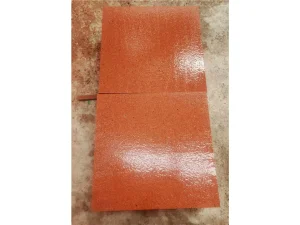
Double Glazed Laminated Glass: The Pinnacle of Building Envelope Science
In modern architectural engineering, the exterior facade must satisfy multiple demanding thermodynamic, acoustic, and structural criteria. Double glazed laminated glass (DGLG)—also known as laminated insulated glass units (Lami-IGU)—integrates the structural fail-safe properties of laminated safety glass with the thermal boundary capabilities of an hermetically sealed insulating cavity.
Thermodynamic Boundary Control
By positioning low-emissivity (Low-E) coatings onto surface #2 or #3 and filling the 12mm–18mm cavity with 90%+ Argon or Krypton gas, heat transfer coefficients (U-values) are pushed below 1.1 W/(m²·K), and as low as 0.6 W/(m²·K) in triple configurations.
This minimizes building operational HVAC loads, mitigating thermal bridge effects and eliminating condensation risk across diverse climatic conditions.
Acoustic Attenuation (Rw / STC)
Monolithic and standard IGUs frequently fail at acoustic coincidence frequencies where glass panes resonate. The visco-elastic interlayer (Acoustic PVB or SGP) inside the laminated inboard pane introduces shear damping, dampening resonant frequencies.
Coupled with asymmetrical glass pane thickness (e.g., 6mm outer + 16Ar + 5+0.76PVB+5mm inner), the composite unit reaches acoustic attenuation ratings up to Rw 48 dB, meeting stringent urban standards.
Post-Breakage Structural Integrity
In high-rise curtain walls, overhead canopies, and skylights, glass breakage must not produce falling debris. While tempered glass shatters into small dice, standard monolithic glass creates critical fall hazard risks.
Laminated glass bonds broken shards to the tough interlayer. When engineered with SentryGlas® (SGP) ionoplast interlayers, the residual post-breakage strength remains self-supporting under live design loads.
Why Global Developers Source Glass & Facades from China
China's architectural glass processing industry represents over 60% of the world's flat and specialty glass manufacturing capability. Sourcing directly from modern industrial complexes offers unprecedented technical precision, vertical integration, and cost stability.
Float Glass Quality & Scale
Chinese tier-1 float lines utilize ultra-pure silica reserves to generate ultra-clear low-iron float glass with iron oxide (Fe₂O₃) levels below 0.015%. This eliminates the natural greenish hue, providing visible light transmittance (VLT) exceeding 91% for pristine clarity.
Integrated Envelope Packages
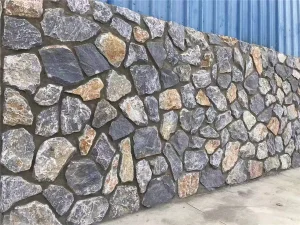
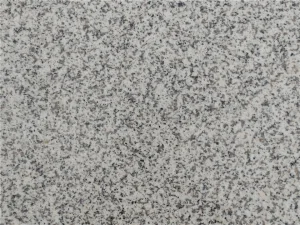
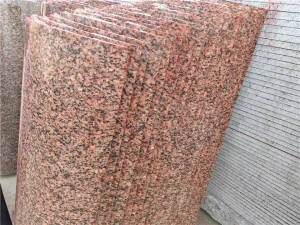
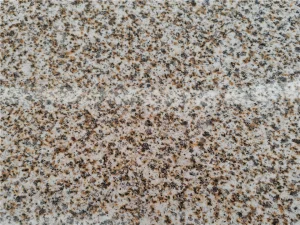
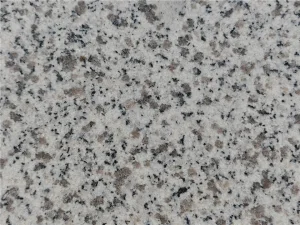
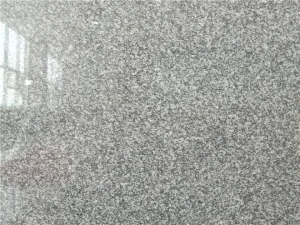
Unlike regional processors who only supply glass lites, established manufacturers integrate granite exterior panels, stainless steel spider clamps, structural silicone glazed curtain wall framing, and door/window modules, enabling complete single-source package procurement.
Direct Maritime Gateway
Facilities situated near maritime transport hubs—such as Rizhao Port and Qingdao Port—leverage sea-freight containerized logistics. Factory-to-quay transit times under 2 hours protect insulated glass seals from multi-stage transshipment vibrations.
Automated Cleanroom Laminating
Our partner facilities maintain Class 1,000 dust-free temperature and humidity-controlled cleanrooms for PVB/SGP interlayer positioning, preventing particulate contamination and ensuring permanent lamination bonding that resists delamination for over 25 years.
Architectural Glazing Performance Configurations
Standard and custom double glazed laminated glass mock-up matrix. Performance calculated under NFRC 100-2010 / EN 673 standard environmental boundaries.
| Typical Configuration (mm) | Interlayer Type | Cavity Gas | VLT (%) | SHGC / g-Value | U-Value (W/m²·K) | Acoustic (Rw dB) | Primary Compliance |
|---|---|---|---|---|---|---|---|
| 6 + 12A + (5 + 0.76PVB + 5) | Acoustic PVB | Dry Air (Air) | 72% | 0.58 | 2.4 | 38 dB | EN 1279 / AS 2208 |
| 6 Low-E + 16Ar + (6 + 1.14PVB + 6) | Structural PVB | Argon (90%) | 64% | 0.38 | 1.4 | 41 dB | ASTM E2190 / SGCC |
| 8 Low-E + 16Ar + (6 + 1.52SGP + 6) | Kuraray SGP® | Argon (90%) | 58% | 0.31 | 1.3 | 43 dB | Miami-Dade / Hurricane |
| 10 Low-E + 16Ar + (8 + 1.52PVB + 8 Low-E) | Acoustic PVB | Argon (95%) | 51% | 0.28 | 1.1 | 45 dB | CE EN 1279 / ISO 12543 |
| Triple Glazed Laminated Custom | SGP + Acoustic | Krypton (90%) | 44% | 0.23 | 0.65 | 48 dB | Passivhaus Certified |
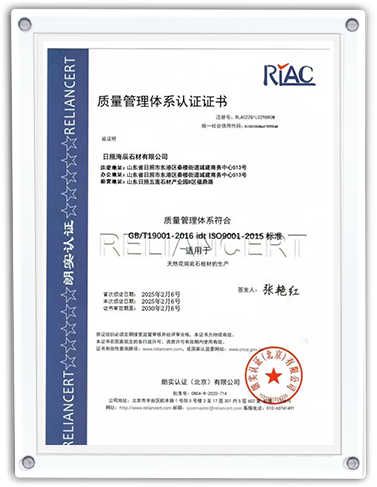
Rigorous International Certifications & Quality Verification
Architectural glass leaving Chinese manufacturing terminals undergoes continuous non-destructive and destructive testing to meet stringent regulatory codes across destination markets.
Emerging Frontiers in Double Glazed Laminated Glass
Architectural envelopes are evolving from passive static barriers into active, energy-harvesting, dynamically adaptive structural systems. Chinese factories are pioneering several key technological advances.
Hybrid Vacuum-Laminated IGU
By merging a Vacuum Insulated Glass (VIG) pane with a secondary laminated safety lite, hybrid units achieve center-of-glass U-values below 0.45 W/(m²·K) in a compact 24mm profile, replacing heavy triple-glazed assemblies in retrofit and zero-carbon structures.
Warm-Edge Structural Spacers
Replacing conventional conductive aluminum spacer bars with advanced composite structural warm-edge systems (such as Swisspacer or Technoform) reduces edge heat loss by up to 65%, elevating overall facade Psi-values and virtually eliminating perimeter condensation risk.
BIPV & Dynamic Electrochromic
Embedding micro-perforated photovoltaic solar cells or tungsten oxide electrochromic coatings directly into the laminated cavity allows architectural facades to modulate solar heat gain coefficient (SHGC) dynamically between 0.09 and 0.45, turning the facade into an intelligent power plant.
Featured Architectural Materials & Integrated Systems (Batch II)
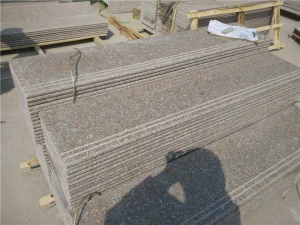
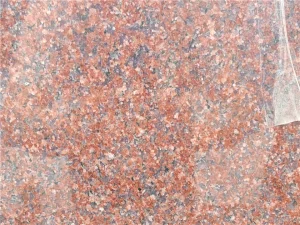
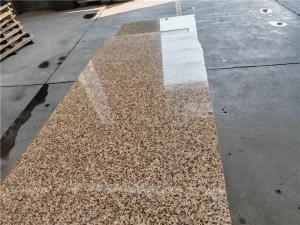
Discover our integrated stone facade panels, high-specification granite cladding elements, and complementary architectural modules for seamless building envelope integration.
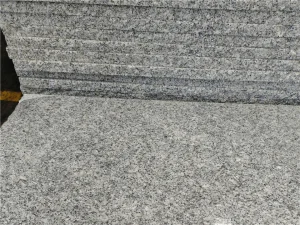
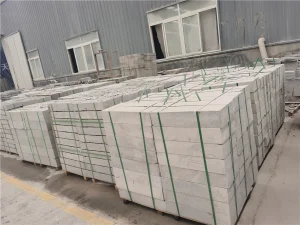
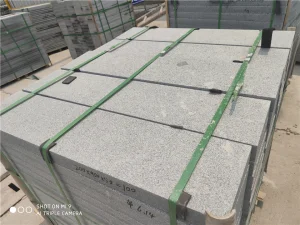
Engineered Architectural Solutions Across Typologies
From structural seismic zones to harsh coastal environments, double glazed laminated glass provides calibrated performance for diverse built topologies.
Commercial High-Rise Facades
Unitized curtain wall assemblies require low solar heat gain combined with wind load resistance. Specifying 10mm heat-strengthened Low-E outer pane + 16Ar spacer + (6mm + 1.52PVB + 6mm heat-strengthened) inner pane prevents spontaneous breakage while supporting wind gust loads over 5.0 kPa.
Atriums, Skylights & Canopies
Overhead structural glazing requires strict post-breakage fail-safe redundancy. Utilizing an SGP ionoplast laminated inboard unit ensures that even if both inner glass lites break under seismic movement or impact, the glass remains rigid within its clamping channels without sagging.
Coastal Hurricane & Blast Zones
Subjected to airborne debris testing (large missile impact under ASTM E1886/E1996), our specialized configurations absorb recurring pressure cycles up to +9000 Pa, offering bullet, forced-entry, and cyclone protection without compromising thermal envelope performance.
Frequently Asked Questions for Architectural Specifiers
Addressing the critical technical, fabrication, and procurement considerations that global engineering consultants and procurement heads evaluate before sourcing.
SGP is an ionoplast polymer interlayer that is up to 100 times stiffer and 5 times more tear-resistant than conventional PVB. In double glazed laminated assemblies, SGP allows structural engineers to calculate post-glass breakage loads with an effective modulus that prevents the pane from collapsing out of the frame. Additionally, SGP exhibits near-zero yellowing (Yellowness Index <1.5) and superior edge-stability against delamination in humid coastal environments.
Premium Chinese manufacturers utilize dual-seal architectures featuring automated robotic primary polyisobutylene (PIB) extrusion (controlling moisture vapor transmission below 0.05 g/m²·24h) and high-modulus two-part structural silicone as the secondary perimeter seal. Float glass edge deletion is strictly automated to remove Low-E metallic coatings along the perimeter edge, ensuring direct adhesion of the silicone sealant to virgin glass.
No. Sputtered soft-coat Low-E (magnetron sputter vacuum deposition / MSVD) must never be positioned in direct contact with PVB or SGP interlayers, as chemical migration and shear forces degrade the coating over time. Soft-coat Low-E is positioned on surface #2 (interior face of exterior lite) or surface #3 (exterior face of laminated composite) facing the hermetic gas cavity, maintaining durability and maximum thermal reflection performance.
Under ASTM C1048 and EN 12150 guidelines, our precision horizontal tempering furnaces restrict roller wave distortion to ≤ 0.05 mm over a 300 mm span, and edge dip to ≤ 0.15 mm. For high-rise reflective facades, our furnaces utilize high-convection heating to maintain planar surface flatness, minimizing optical distortion across reflective curtain wall elevations.
Units are secured using custom-built, heavy-duty fumigated steel A-frames or solid timber crates lined with closed-cell polyethylene foam. Non-adhesive polymer protective interleaving corner guards and desiccant packs are inserted between individual lites to prevent glass-on-glass abrasion and moisture stains inside ocean shipping containers.
Yes. In addition to our natural stone quarrying and processing operations, our engineering division supplies complete curtain wall packages, including stainless steel glass clamps, spiders, custom structural steel framework, and precision-cut stone panels. Consolidating architectural glass and facade stone in combined 20ft/40ft shipping containers lowers total project logistics and customs clearance overhead by 30% to 40%.
Request Comprehensive Facade & Glazing Engineering Submittals
Send your CAD architectural elevations, project specifications, and wind-load schedules. Our facade engineering technical team will deliver a structural glass analysis, optical thermal calculations (LBNL Window/Optics), and competitive factory-direct supply quotations within 24 hours.
Initiate Sourcing Consultation