Featured Architectural Stone & Envelope Solutions
Premium factory-direct architectural materials, structural stone surfaces, and engineered fire-barrier facade integrations for modern infrastructure developments.

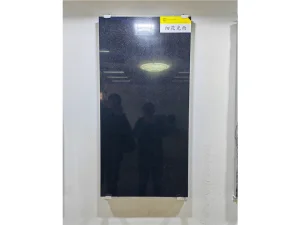
Industry Evolution: The Shift to Fire Rated Laminated Glass
Analyzing the paradigm transformation in commercial building enclosures from traditional monolithic tempered safety glazing toward multifunctional, thermally insulated intumescent laminated systems.
Integrity (E) to Insulation (EI)
Early fire safety designs relied primarily on single-pane borosilicate or tempered fire-protective glass (Class E), containing flames and toxic smoke without blocking radiant heat. Modern specifications mandate Class EI intumescent laminate barriers capable of limiting average unexposed face temperature rises to under 140°C, safeguarding critical egress routes.
Stringent Building Codes
Regulatory evolutions across Europe (EN 1364/EN 1634), North America (ASTM E119/UL 263/NFPA 251/257), and the Asia-Pacific region demand multi-hazard performance. Project engineers increasingly require solutions pairing 60, 90, or 120-minute fire barriers with ballistic, seismic, and dynamic wind-load certifications.
Global Sourcing Dynamics
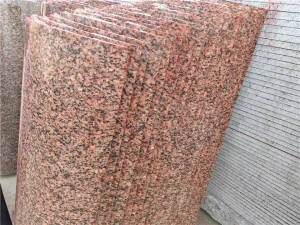
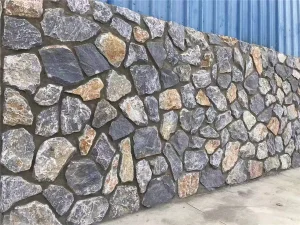
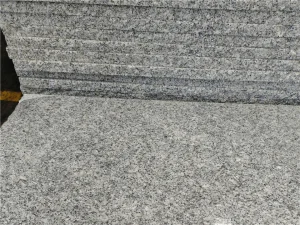
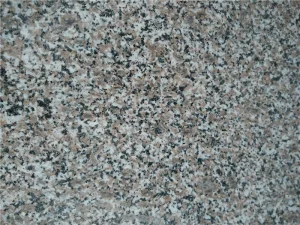
International EPC contractors and curtain-wall fabricators require consolidated procurement channels capable of supplying both heavy exterior facades (such as granite spandrels and structural curtain walls) alongside precision-tested glazed fire stops, minimizing systemic logistics friction and ensuring certified batch traceability.
China Factory 4.0: Resilient Supply Chains & Technical Capabilities
Combining automated cleanroom lamination, nano-composite interlayer chemistry, and integrated multi-material export capabilities from premier industrial bases in Shandong and across China.
Class 1000 Cleanrooms
State-of-the-art dust-controlled assembly lines guarantee high optical clarity, preventing micro-particulate contamination during intumescent gel injection and PVB/SentryGlas® autoclave lamination cycles.
Rigorous Testing Compliance
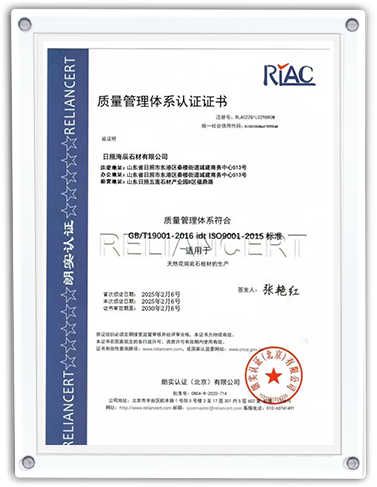
Factory testing is paired with accredited third-party testing regimes under ISO 834, EN 1363-1, and UL 10C standards, subjecting full-scale glazed assemblies to standard time-temperature curves and high-pressure hose-stream tests.
Dual-Port Strategic Logistics
Capitalizing on direct access to Rizhao Port and Qingdao Port, our coordinated logistics network provides efficient containerization, export crating, and seamless intermodal ocean transit for international project timelines.
BIM & Engineering Integration
Engineering departments provide full parametric CAD/BIM detailing, edge-clearance calculations, and bespoke steel profile configurations to ensure fire ratings remain uncompromised during real-world thermal expansions.
| Glazing Classification | Standard Duration | Integrity (E) | Radiation Control (EW) | Insulation (EI) | Primary Application Context |
|---|---|---|---|---|---|
| Class E Monolithic / Laminated | 30 / 60 / 90 min | Pass (Smoke/Flame) | Uncontrolled | No Protection | Smoke baffles, non-evacuation corridors |
| Class EW Low-Radiation | 30 / 60 min | Pass (Smoke/Flame) | < 15 kW/m² | Partial | External building perimeters, separation bays |
| Class EI Multi-Layer Intumescent | 30 / 60 / 90 / 120 min | Complete Containment | Zero Radiation | ΔT < 140°C Average | Escape stairs, hospital wards, elevator shafts |
Localized Commercial & Industrial Application Environments
Engineered for complex structural typologies where natural illumination must coexist harmoniously with stringent fire containment boundaries.
High-Rise Commercial Atriums
Multi-story atrium glazed partitions prevent vertical flame propagation while maintaining architectural transparency. Combining toughened clear substrates with intumescent hydrogel interlayers delivers 90-minute EI ratings without compromising visual clarity.
Data Centers & Clean Technology
Advanced server server farms and battery energy storage facilities demand localized compartmentation. Fire-rated laminated viewing windows ensure thermal isolation without risking electrical interference or smoke infiltration into pristine cleanroom environments.
Healthcare & Institutional Egress
Hospital corridors require progressive horizontal evacuation zones. Laminated fire glazing with impact safety ratings prevents shatter injuries during emergency panics while stopping heat transfer, permitting safe bedside patient transport alongside fire walls.
Frequently Asked Questions (Procurement & Technical FAQ)
Essential insights compiled by our structural glazing and material engineering specialists for architects, structural consultants, and commercial procurement managers.
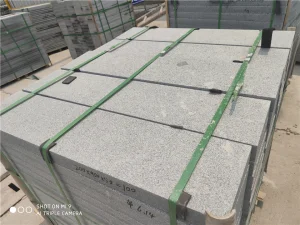
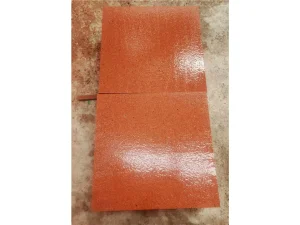
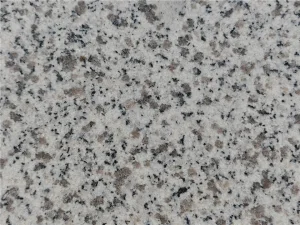
Comprehensive Architectural Granite & Hardscape Products
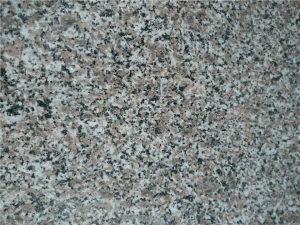
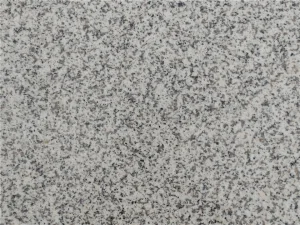
Explore our complete export spectrum, featuring precision-cut building veneers, heavy municipal pavers, and custom stone engineering engineered to match structural envelope applications.