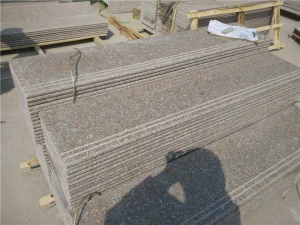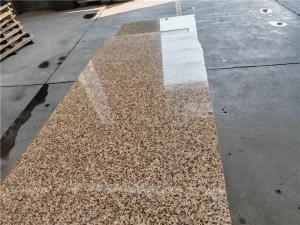
High-Performance Perimeter Infrastructure & Hardscaping Matrix
Combining structural flexural dynamics with heavy-duty architectural anchoring. Explore primary granite, curb, and site delineation elements engineered directly from Shandong manufacturing hubs.



Macro Dynamics of China's Flexible Parking Posts Manufacturing Sector
Analyzing global urban densification, passive safety standard compliance, and how Chinese manufacturing facilities dominate the international supply chain.
The global traffic management, perimeter safety, and automated parking delimitation industries are undergoing an unprecedented paradigm shift. Historically, urban vehicular zones relied on rigid, static infrastructure—namely cast iron, solid steel pipes, and massive stone blocks. While rigid physical structures provide perimeter containment, their inability to absorb kinetic energy routinely results in severe vehicle damage, pedestrian collateral trauma, and structural degradation of underlying asphalt or concrete substrates upon impact. Today, the civil engineering mandate requires passive safety, elastic recovery, and self-restoring flexibility.
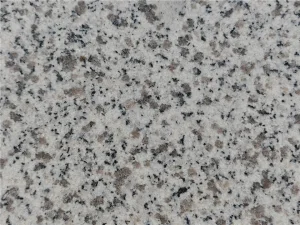
Chinese flexible parking posts factories have emerged as the nexus of this transformation. By combining world-class chemical processing clusters in coastal manufacturing parks with vertical precision tooling and adjacent stone industrial capabilities (such as the Rizhao and Shandong industrial corridors), these factories offer an unmatched value proposition. They bridge the gap between heavy civil stone kerbing and ultra-resilient polyurethane flexible delineators. Civil contractors can now source holistic perimeter systems that combine the elegant mass of natural granite with the dynamic self-healing properties of high-grade flexural parking posts.
Passive Kinetic Energy Dissipation
Flexible parking posts manufactured in advanced Chinese facilities employ anisotropic internal web geometry. When struck by a moving vehicle at speeds up to 60 km/h, the post bends to a full 90-degree angle, smoothly deflecting the kinetic strike without tearing from its anchored base plate or transmitting shear stress into the foundation.
Dual-Material Hybrid Anchoring
A distinctive innovation developed in Shandong industrial facilities is the hybridization of flexible polyurethane posts with deep-seated precision granite curb collars. This prevents rim rub, seals against subterranean moisture penetration, and integrates seamlessly with pedestrian streetscapes.
Severe Environmental Immunity
Unlike basic PVC or low-density polyethylene substitutes that crack under intense UV radiation or turn brittle in freezing conditions, premium Chinese OEM factories utilize specialized thermoplastic polyurethane (TPU) infused with hindered amine light stabilizers (HALS).
Polymer Formulations, Elastic Memory & Rebound Kinetics
A deep dive into the molecular composition that allows modern flexible parking posts to survive recurring vehicular wheel strikes without losing vertical alignment.
The defining performance metric of a professional-grade flexible parking post is its 360-degree dynamic restitution coefficient. When a vehicle runs over the post during a parking maneuver, the material is subjected to simultaneous tensile elongation, localized shear, and rapid flexural deformation. Low-cost alternatives manufactured from unplasticized rubber or recycled polyethylene suffer irreversible chain scission, resulting in permanent warping, chalking, or catastrophic failure at the base joint within 3 to 6 months of field deployment.
Top-tier China flexible parking posts factories formulate proprietary thermoplastic elastomers (TPE) and thermoset reaction-injection polyurethanes (RIM-PU). The polymer chains are configured with alternating rigid segments (providing structural column stiffness under wind loads) and soft polyether or polyester segments (delivering spontaneous elastic recovery).
| Performance Criterion | Standard Low-Grade PE / Rubber | Industrial High-Elastic TPU (Factory Standard) | Hybrid Stone & Polyurethane Integration |
|---|---|---|---|
| Shore Hardness Range | 65A - 75A (Excessively soft or brittle) | 88A - 94A (Optimal structural rebound) | Rigid Base (Mohs 6-7 Granite) + 90A Elastic Post |
| Impact Strike Recovery (50 km/h) | Fails after 10–25 impacts | Survives 1,000+ full-wheel overruns | Deflects vehicle away; zero mechanical post failure |
| Tensile Strength at Break | 12 - 18 MPa | ≥ 42 MPa (ASTM D412) | Anchored into deep-seated 130+ MPa compressive stone |
| UV Degradation (QUV 3000h) | Color fading, micro-cracking within 1 yr | Delta E < 2.0; zero surface embrittlement | Granite is immune to UV; post core HALS protected |
| Retroreflective Efficiency | Basic glass bead tape (Class 1) | Microprismatic Diamond Grade (ASTM D4956 Type IV/IX) | 360-degree omnidirectional prismatic bands |
Base Mechanical Anchoring Dynamics
A flexible parking post is only as resilient as its interface with the earth. China flexible parking posts factories engineer high-tensile hot-dip galvanized internal spring mechanisms, ductile iron base-plates, and drop-in internally threaded chemical expansion anchor bolts. This allows single-technician replacement in under 3 minutes if surface replacement is ever required.
Microprismatic Retroreflectivity Protocols
For municipal parking lots, airport service roads, and industrial logistics parks, visibility in inclement weather is non-negotiable. Modern posts are equipped with heat-welded microprismatic diamond-grade retroreflective sheeting conforming to EN 12899-1, delivering exceptional wide-angle luminance even under extreme oblique headlamp approaches.
Precision Factory Tooling, Molding Infrastructure & QA Protocols
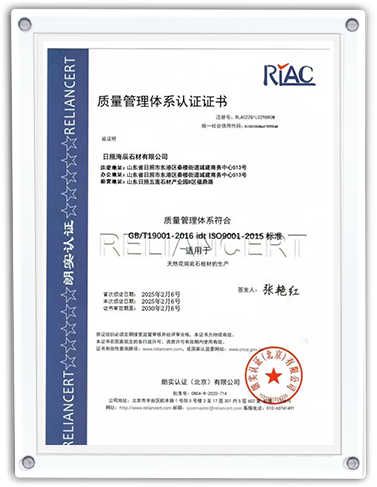
Inside the automated production lines: from multi-cavity high-pressure injection molding to cryogenic stress testing and ISO 9001 quality compliance.
Automated Reaction Injection
High-pressure mixing heads deliver homogeneous polymer blends directly into mirror-polished CNC steel molds, eliminating structural voids and micro-porosity.
Cyclic Dynamic Impact Rigs
Factory laboratory testing includes pneumatic ram simulators that strike prototypes at varying incident angles to ensure structural compliance with international crash-mitigation benchmarks.
Direct Port-Side Supply Chains
Strategically situated near major marine freight facilities like Rizhao and Qingdao ports, our supply chain reduces container transfer costs and shortens transit times for mega-infrastructure contracts.
Bespoke OEM / ODM Tooling
In-house CNC mold production allows rapid prototyping of customized bollard heights, integrated chain eyes, lockable bay bases, and custom architectural color finishes.
Macro Applications Across Critical Global Infrastructure
From high-density subterranean multi-story car parks to international multimodal airport aprons and segregated cycling networks.
Automated Logistics & Distribution Yards
Heavy goods vehicles (HGVs) and electric yard trucks frequently clip rigid corner barriers. Flexible parking posts act as non-destructive visual guides that bend under truck tire contact, saving thousands in vehicle repairs and surface concrete re-anchoring.
EV Supercharger Stalls & Modern Retail Bays
High-voltage electric vehicle charging stalls require strict spatial delineation. Rebounding polyurethane posts protect costly charging pedestals from reversing vehicles without inflicting cosmetic damage to luxury vehicle bumpers.
Multi-Modal Protected Bike Lanes & Bus Corridors
Urban micro-mobility networks require physical separation between automotive lanes and cyclists. Flexible delineator posts provide clear psychological containment while allowing emergency response vehicles to safely cross when necessary.
Technology Roadmap: Smart IoT, Active Illumination & Circular Bio-Polymers
Anticipating the demands of smart cities, autonomous vehicular navigation, and closed-loop municipal sustainability from 2025 to 2035.
Ultra-Resilient TPU Alloys
Optimization of hindered amine stabilizers and high-tensile spring-core bases capable of surviving 1,000+ heavy vehicle passes under extreme temperature variations.
Integrated Solar Micro-LEDs
Self-contained top caps featuring microcrystalline photovoltaic arrays and synchronized LED flashes for improved guidance in zero-visibility fog and rain conditions.
IoT Collision Telematics
Embedding NB-IoT / LoRaWAN impact sensors into internal cavities. Municipal operators receive automated alerts when a post experiences a severe impact.
Autonomous Lidar Signatures
Coating polymers with retro-reflective lidar-reactive nanoparticles that provide unambiguous machine-vision feedback for self-parking autonomous vehicles.
Frequently Asked Questions (Technical & Commercial FAQ)
Critical engineering insights for project specifiers, structural engineers, and international procurement managers sourcing from China flexible parking posts factories.
What differentiates industrial TPU flexible posts from generic PVC or low-density polyethylene delineators?
How do flexible parking posts interact with architectural natural stone curbs and granite paving?
What anchoring mechanisms are available for high-turnover commercial parking facilities?
What international testing standards and quality certifications should be specified?
Can flexible parking posts be customized with municipal branding or smart telemetry?
What are the freight container optimization parameters for international sea export?
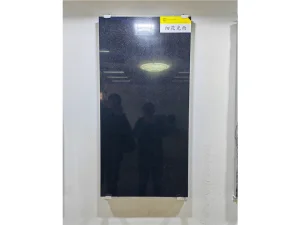
Precision Structural Stone & Heavy Foundation Elements
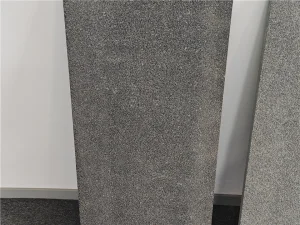
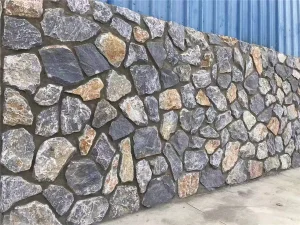
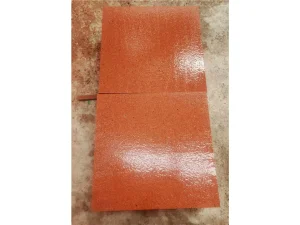
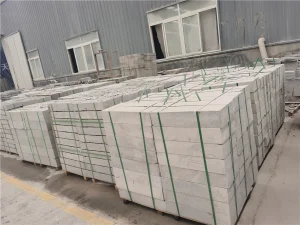
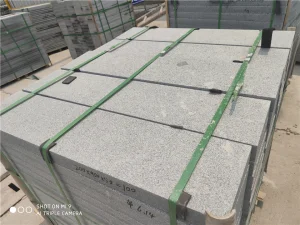
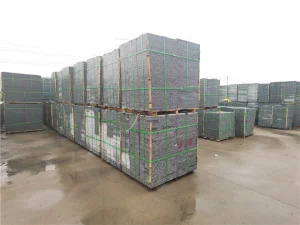
Explore the remaining core line of certified architectural granite selections, dimensional blocks, and specialized site finishings supplied directly from our Chinese factory facilities.