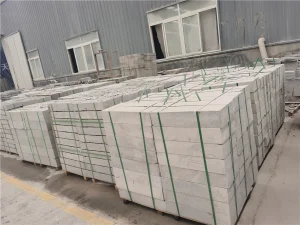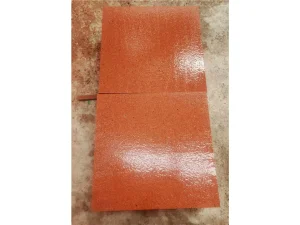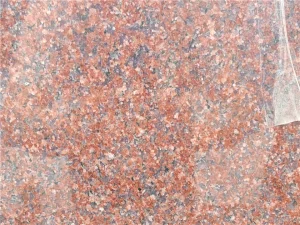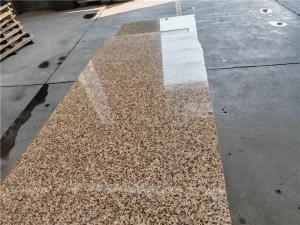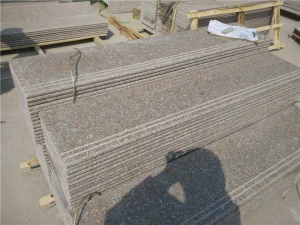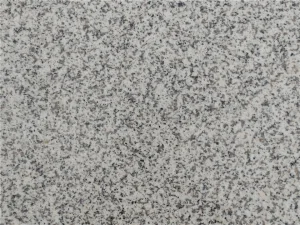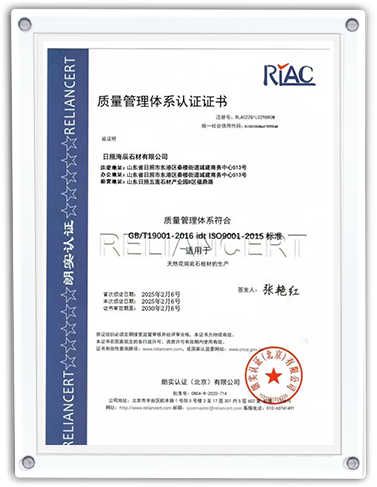
Perimeter Security & Architectural Stone Catalog
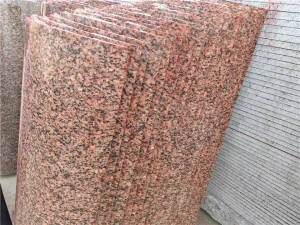
Explore high-density crash-rated structural cores and architectural granite fabrication options directly supplied by Rizhao Haichen Stone Co., Ltd.
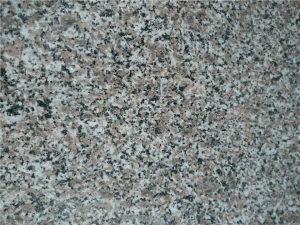

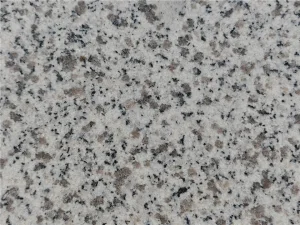
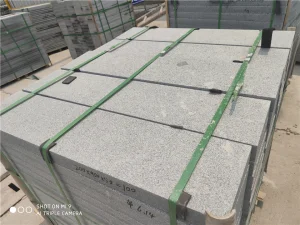
Enterprise Procurement Demands for High Security Bollards
In response to evolving urban vulnerabilities and heightened counter-terrorism requirements, critical infrastructure operators specify high-impact barriers engineered for zero-penetration performance.
Critical Infrastructure & Government
Government complexes, defense stations, and data centers demand certified PAS 68 and ASTM F2656 M50/P1 ratings capable of stopping 7.5-ton vehicles travelling at 80 km/h with sub-meter penetration metrics.
Pedestrian Plazas & Public Realms
Civil municipal planners demand Hostile Vehicle Mitigation (HVM) integrated seamlessly into urban streetscapes, utilizing aesthetic granite monoliths and decorative sleeves over high-tensile steel cores.
Commercial Hubs & Industrial Zones
Global logistics corridors, deepwater ports, and oil & gas terminals require continuous duty-cycle automated hydraulic bollards, PLC-networked monitoring, and rapid emergency deployment protocols (EFO).
Global Macro Industry Dynamics & China's Manufacturing Advantage
The convergence of modern metallurgy, deep-water port proximity, and natural granite quarry reserves positions China as the primary hub for scalable, cost-efficient security bollard manufacturing.
Integrated Port-Factory Supply Chains
Facilities based in strategic shipping corridors like Rizhao and Qingdao eliminate inland multi-handling costs, reducing logistics expenses by up to 30% while securing direct oceanic lines to the EU, Middle East, and North America.
Heavy Structural Steel Integration
By leveraging China's advanced carbon steel and stainless alloy manufacturing (Q235, Q345, SS304/SS316), factories fabricate seamless heavy-wall impact pipes that withstand enormous shear stress upon kinetic transfer.
Hybrid Stone & Metal Monoliths
Rizhao Haichen Stone combines high-strength natural stone reserves with reinforced internal steel tubes, offering crash-rated physical impact performance wrapped in flamed, polished, or bush-hammered granite finishes.
Engineering Matrix & Structural Performance Reference
Architects and security consultants can cross-reference physical barrier specifications, penetration tolerances, and sub-surface foundation depth criteria.
| Classification | Test Standard | Kinetic Energy (kJ) | Foundation Requirement | Recommended Urban / Site Application |
|---|---|---|---|---|
| K12 / M50 / PAS 68 | ASTM F2656 / IWA 14-1 | 1,850 kJ (7,500 kg @ 80 km/h) | Deep Mount (1200 - 1500 mm) | Government headquarters, military facilities, central bank vaults |
| K8 / M40 | ASTM F2656 / PAS 68 | 1,180 kJ (7,500 kg @ 65 km/h) | Standard Mount (900 - 1200 mm) | Power plants, data centers, regional transport interchanges |
| K4 / M30 | ASTM F2656 / CWA 16221 | 656 kJ (7,500 kg @ 48 km/h) | Shallow Mount (300 - 500 mm) | Commercial plazas, shopping malls, crowded public realm perimeters |
| Fixed Stone Monolith | ASTM C615 / EN 1341 | Custom Dynamic Impact | Reinforced Concrete Footing | Civic centers, historic restorations, continuous landscape boundaries |
Localization Support & Compliance Assurance
Ensuring compliance across varying global jurisdictions through third-party material batch validation, shop drawing integration, and localized delivery documentation.
Standardized Testing Verification
Every fabrication lot includes mill test reports (MTR), ultrasonic welding inspection, and raw block testing under ASTM C615 standards for water absorption, compressive strength, and flexural limits.
BIM & CAD Integration
Our in-house technical department provides complete 3D models, foundation trench load distribution analysis, and conduit diagrams to match international civil engineering specifications.
Turnkey Export Packaging
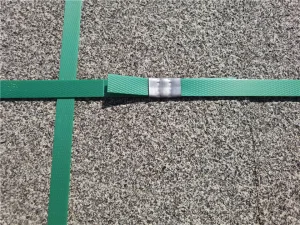
Finished bollards, hydraulic stations, and granite sleeves are packed inside ISPM-15 heat-treated fumigated wooden crates, tagged with project-specific grid identification numbers for rapid site deployment.
Technology Roadmap: The Future of Smart Physical Defense
The transition from passive barriers to intelligent physical edge devices integrated into Smart City platforms.
IoT Predictive Maintenance
Sensors embedded in automated hydraulic units track pressure drops, cycle counts, and ambient thermal conditions to forecast maintenance needs before field failure occurs.
Low-Power Electro-Mechanical Drives
Next-generation perimeter defense replaces traditional hydraulic fluid reservoirs with high-efficiency brushless DC electromechanical systems, eliminating oil leaks and reducing power consumption by 60%.
AI Computer Vision Interlocking
Seamlessly tie rising bollards into Automated Number Plate Recognition (ANPR) and facial access arrays for zero-latency vehicle clearance and automated threat interdiction.
Frequently Asked Questions (FAQ)
Key technical and procurement insights for project engineers, municipal contractors, and commercial buyers.
What is the difference between standard commercial bollards and crash-rated bollards?
How do monolithic granite bollards integrate with security requirements?
What shallow mount options are available for bridge decks and urban plazas?
What maintenance is required for automated hydraulic rising bollards?
Can customized finishes and stone varieties be ordered directly from the factory?
Direct Quarry Reserves & Project Supply Options
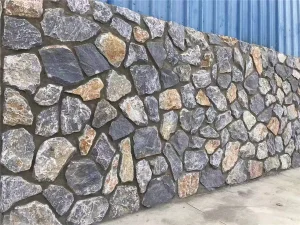
Complete project packages spanning dimensional paving, protective barriers, and architectural cladding direct from our Shandong production base.