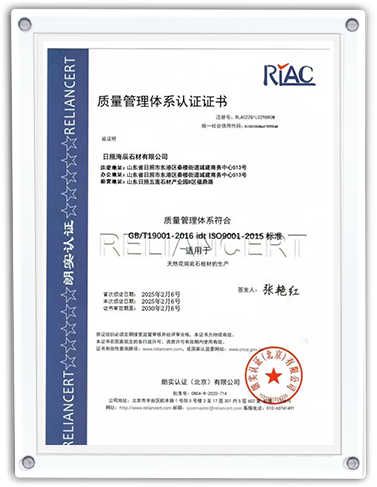
Featured Architectural Assemblies & Material Series
Direct-from-factory architectural components, precision-engineered exterior stones, curtain wall brackets, and premium structural solutions manufactured for international engineering tenders.
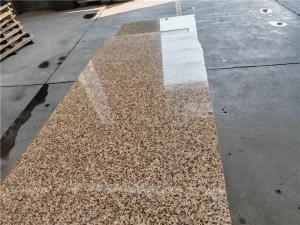
China A1684 Golden Hemp Granite Fabrication
China A1684 Golden Hemp Granite Countertops Manufacturer, Factories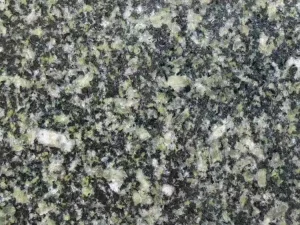
G4101 Forest Green Cladding Veneer
China G4101 Forest Green Granite Veneer Panels Supplier, Factories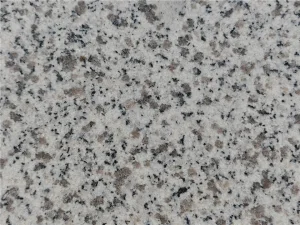
G3760 Shandong White Architectural Slabs
Wholesale G3760 Shandong White Marble Granite Manufacturers, Suppliers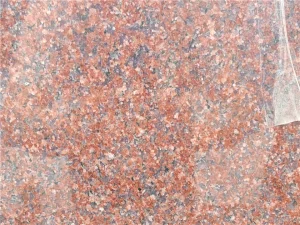
G386 Shidiao Red Heavy-Duty Tiles
Wholesale G386 Shidiao Red Granite Tiles Manufacturers, Suppliers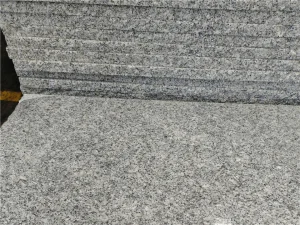
G602 Sesame White Architectural Pavers
Wholesale G602 Sesame White Granite Manufacturer, Supplier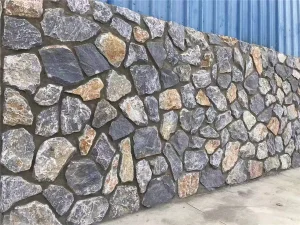
Heritage Carved Cultural Natural Stone
Wholesale Chinese Culture Granite: Stone Chronicles a Millennium, Artistry Inherits the Orient Manufacturer, Suppliers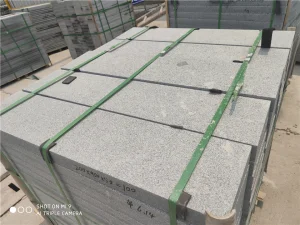
G654 Sesame Grey Flamed Exterior Paving
China G654 Sesame Grey Granite Flamed Finish Supplier, Factories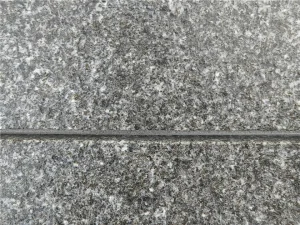
G3701 Binzhou Blue Polished Facade
China G3701 Binzhou Blue Granite Suppliers, FactoryMacro-Industry Engineering Solutions: Advanced Laminated Fenestration
A comprehensive technical evaluation of laminated safety glass windows, structural post-breakage load-bearing capacity, acoustic transmission loss, and modern fenestration assembly across international commercial and industrial sectors.
Structural Integrity & Post-Breakage Retention
Laminated safety glass windows rely on high-grade elastomeric interlayers—principally Polyvinyl Butyral (PVB) and Ionoplast (SentryGlas® / SGP)—bonded under high heat and pressure inside vacuum autoclaves. Unlike monolithic tempered glass that shatters into unsupported dices, laminated configurations retain residual structural stiffness post-fracture, preventing catastrophic fenestration blowout during seismic displacement and extreme windstorms.
Acoustic Damping & Coincidence Dip Elimination
Standard monolithic glazing suffers severe sound transmission deficits at the critical coincidence frequency (typically between 1,000 Hz and 3,000 Hz). By deploying multi-layer acoustic PVB interlayers formulated with viscoelastic polymer cores, laminated safety windows dissipate vibrational energy as micro-thermal friction. This elevates Sound Transmission Class (STC) ratings above 42 dB and Outdoor-Indoor Transmission Class (OITC) past 36 dB.
Thermal Envelope & Solar Heat Gain Optimization
Modern factory processing allows low-emissivity (Low-E) magnetron sputtering coatings to be protected within double-glazed laminated assemblies. When paired with warm-edge spacers and argon gas filling, center-of-glass U-values plunge to below 1.1 W/(m²·K) [0.19 BTU/(hr·ft²·°F)] while precisely throttling the Solar Heat Gain Coefficient (SHGC) between 0.22 and 0.38 to conform with stringent ASHRAE 90.1 energy guidelines.
Global Commercial & Industrial Status: The Shift to Heavy-Duty Laminated Windows
Across North America, the European Union, Australia, and the Middle East, structural building envelope standards have evolved beyond basic glass transparency. Today's commercial developments, institutional campuses, and mid-to-high-rise residential complexes operate under rigorous codes that demand multi-hazard mitigation. Fenestration systems must simultaneously withstand hurricane-force projectile strikes, severe seismic drift, acoustic pollution from urban transit networks, and aggressive thermal transfer cycles.
As premier Chinese laminated safety glass windows manufacturers and precision exporters, modern fabrication plants have re-engineered the automated lamination line. The historic vulnerability of laminated glass—edge delamination due to moisture penetration and plasticizer migration—has been solved through advanced cleanroom automation (Class 100/1000 standards), precise edge-deletion of soft-coat Low-E layers, and automated robotic sealing with structural silicones.
1. Interlayer Polymer Chemistry: SGP vs. PVB vs. EVA
The structural efficacy of laminated safety windows is fundamentally dictated by the chemical morphology of the interlayer. Standard Polyvinyl Butyral (PVB) remains the global benchmark for sound reduction, architectural safety, and basic ballistic deceleration. However, under elevated temperatures (exceeding 30°C / 86°F), standard PVB's shear modulus declines substantially, resulting in reduced composite action between glass plies.
To overcome this limitation in high-wind and overhead frameless applications, our factories integrate Ionoplast (SGP) interlayers. SGP possesses a shear modulus roughly 100 times that of standard PVB and five times the tear strength. When subjected to violent hurricane debris impact or seismic rack testing, SGP keeps the glass panes coupled as an authentic monolithic beam, effectively preventing fenestration sagging and frame disengagement even if both outer plies undergo complete fracture.
Engineering Insight: Effective Thickness Calculation (ASTM E1300 / EN 16612)
Under ASTM E1300 and EN 16612 standards, structural calculations for laminated glass cannot treat the assembly as two independent plies sliding freely. By employing the Wölfel-Bennison approach or the enhanced Prandtl-transfer method, modern Chinese engineering teams calculate an "effective thickness" ($h_{ef}$) that quantifies interlayer shear transfer. With SGP at 20°C–50°C, the coupling parameter ($\omega$) approaches 0.8–0.95, allowing architects to reduce glass thickness by 25% to 35% without compromising permissible deflection limits.
2. Full-System Enclosure: Integrating Glass, Hardware & Cladding
A high-performance laminated window cannot be designed in isolation from its peripheral envelope components. Through comprehensive supply chains—such as those operated by Rizhao Haichen Stone and integrated fabrication partners—project developers achieve turnkey coordination between laminated window systems, stainless steel glass clamps, heavy structural steel lintels, and precision-cut natural stone facades (e.g., G603, G654, G3760 Shandong White).
This factory-controlled integration ensures identical thermal expansion tolerances, airtight joint detailing, and pre-calibrated anchor points, removing the risk of on-site coordination errors between stone cladders and glazing contractors.
| Glazing Configuration | Interlayer Type & Thickness | Visible Light Transmittance (%) | Solar Factor (SHGC) | U-Value [W/(m²·K)] | Acoustic Rating (Rw / STC) | Target Safety Application |
|---|---|---|---|---|---|---|
| 6mm Clear + 1.52mm PVB + 6mm Clear | Standard PVB (1.52mm) | 78% | 0.70 | 5.4 | 36 dB / 37 STC | Interior partitions, low-rise balustrades |
| 6mm Low-E + 1.52mm Acoustic PVB + 6mm Clear | Acoustic PVB (1.52mm) | 71% | 0.45 | 3.6 | 41 dB / 42 STC | Urban commercial facades, transit corridors |
| 8mm Tempered + 1.52mm SGP + 8mm Tempered | SentryGlas® Ionoplast (1.52mm) | 82% | 0.68 | 5.2 | 38 dB / 39 STC | Hurricane impact fenestration, point-supported glass |
| 6mm Low-E + 1.52 PVB + 6mm + 12Ar + 6mm Clear (IGU) | Double Laminated IGU (Argon) | 64% | 0.32 | 1.3 | 44 dB / 45 STC | High-rise residential envelopes, passive institutional |
| 10mm Low-E + 2.28mm SGP + 10mm + 16Ar + 10mm Temp | Heavy Structural SGP + IGU | 58% | 0.26 | 1.0 | 48 dB / 49 STC | Bomb blast mitigation, coastal supertall towers |
Localization Support & International Compliance Frameworks
Navigating worldwide building envelope certifications with traceable testing records, full chain-of-custody documentation, and calibrated export packaging engineered for zero-defect job site delivery.
North American Fenestration Codes
Fully compliant with ANSI Z97.1 (Safety Materials Used in Buildings), CPSC 16 CFR 1201 (Category II Impact Requirements), and SGCC certification. Tested against ASTM E1886 and ASTM E1996 for missile impact resistance, securing product qualification for Florida Building Code (FBC) High-Velocity Hurricane Zones (HVHZ) and Miami-Dade NOA protocols.
European Harmonized Standards
Compliant with CE marking under EN 14449 (Laminated Glass and Laminated Safety Glass) and EN 12150 (Thermally Toughened Safety Glass). Factory Production Control (FPC) verified by notified bodies, providing Declaration of Performance (DoP) documents, pendulum impact classification up to 1(B)1 according to EN 12600, and verified acoustic metrics via EN ISO 10140.
Australasian Standards (AS/NZS)
Engineered to conform with AS/NZS 2208 (Safety Glazing Materials in Buildings) and AS 1288 (Glass in Buildings - Selection and Installation). Each consignment undergoes mandatory boil tests, pummel adhesion assessments, and laser-guided surface stress verification (surface compression ≥ 69 MPa / 10,000 psi for tempered plies) ensuring resilience under cyclic Australasian ultraviolet degradation.
Localized Application Scenarios: Engineered for Demanding Built Environments
Targeted fenestration typologies configured to solve location-specific environmental stress, architectural load parameters, and life-safety requirements.
Coastal Supertalls & Hurricane Windbelts
In regions prone to severe typhoons and tropical cyclones (e.g., Southeast Asia, the Gulf of Mexico, the Caribbean), standard fenestration faces wind-borne timber and metal debris moving at 15–25 m/s. Laminated safety windows equipped with 2.28mm SGP or thick-gauge structural PVB absorb large missile strikes. Even if the outer glass pane fractures, the composite assembly continues to maintain pressure seal integrity, preventing internal atmospheric pressurization that tears roofs from high-rise buildings.
Hospitality & Urban Residential Soundproofing
Urban infill developments located near metro lines, elevated freeways, and international airports face relentless low-frequency rumble (50 Hz to 250 Hz). By utilizing asymmetric glass thicknesses (e.g., 8mm exterior pane + 1.52mm acoustic PVB + 6mm interior pane), the fenestration eliminates harmonious resonance, providing quiet indoor acoustic environments that meet NC-30 / NC-25 interior background noise criteria.
Institutional Security, Detention & Retail Defense
High-security facilities, luxury jewelry retail flagships, and embassies require fenestration capable of resisting sustained manual forced entry (EN 356 Class P6B to P8B) and ballistic kinetic penetration (UL 752 Levels 1 through 8 / EN 1063 BR2 to BR7). Advanced multi-ply glass-polycarbonate hybrids manufactured in our autoclaves stop rapid smash-and-grab attacks without spalling dangerous glass shards on interior occupants.
Technical Roadmap: Next-Generation Smart Fenestration & Decarbonization
Leading Chinese manufacturing facilities are spearheading next-generation structural glazing technologies designed to achieve operational net-zero emissions while delivering active occupant comfort.
Vacuum-Laminated Hybrid Glazing (VIG)
Integrating tempered vacuum insulated glass (VIG) with exterior laminated safety panes creates an ultra-slim fenestration profile with thermal performance rivaling insulated solid walls. With a center-of-glass U-value down to 0.45 W/(m²·K) [0.08 BTU/(hr·ft²·°F)] within a total glass thickness under 24mm, historic retrofit and luxury high-rise curtain walls achieve unprecedented thermal isolation without unwieldy triple-pane weight.
Electrochromic & Dynamic PVB Interlayers
Through embedded micro-electronic conductive polymers and SPD (Suspended Particle Device) interlayer films, future laminated windows transition dynamically from high light transparency (VLT 65%) to an opaque, solar-blocking state (VLT 1%) within seconds under automated building management system (BMS) controls. This reduces peak air conditioning cooling loads by up to 32% during peak daylight irradiation.
Low-Carbon Ultra-Clear Float Substrates
Driven by global Environmental Product Declarations (EPD) and LEED v4.1 certification requirements, Chinese float glass furnaces are transitioning to electric-hydrogen hybrid firing alongside cullet recycling rates exceeding 40%. The resulting low-iron float glass substrates offer exceptional optical clarity (color rendering Ra > 98) while cutting cradle-to-gate embodied carbon by over 30% per square meter.
Global Project Specifications & Structural Architectural Elements
Quarry-direct structural materials, facade cladding elements, and certified architectural stone components engineered to interface seamlessly with modern commercial window and curtain wall systems.
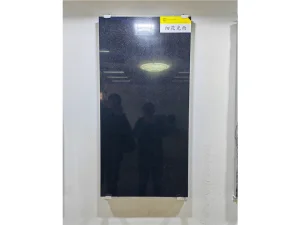
G3401 Shanxi Premium Black Granite
China G3401 Shanxi Black Granite Manufacturer, Factory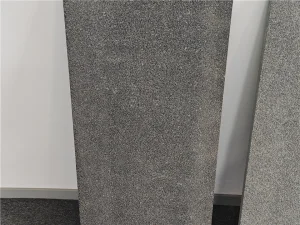
G684 Fuding Basaltic Black Stone
Wholesale G684 Fuding Black Granite Factories, Factory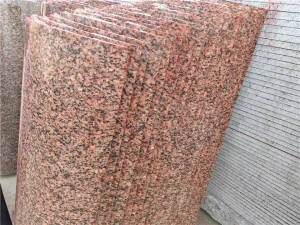
G352 General Red Exterior Cladding
Wholesale G352 General Red Granite Cladding Panels Manufacturers, Factories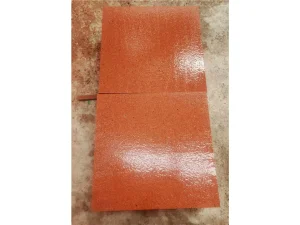
Chinese Imperial Red Quarry Blocks
China Premium Chinese Red Granite Blocks Supplier, Suppliers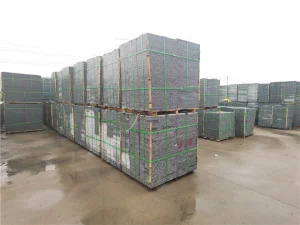
G3702 Snowflake Blue Dimensional Slabs
China G3702 Snowflake Blue Granite Manufacturers, Supplier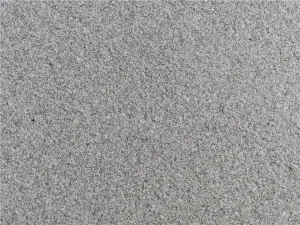
G614 Sesame Grey Precision Tiles
China G614 Sesame Grey Granite Slabs & Tiles Supplier, Suppliers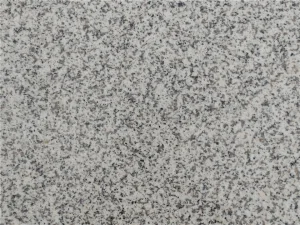
G603 Classic Sesame White Architectural Paver
China G603 Sesame White Granite Suppliers, Factory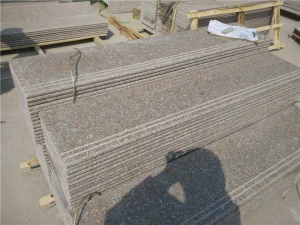
G368 Wulian Red High-Traffic Paving Stones
Wholesale G368 Wulian Red Granite Paving Stones Supplier, SuppliersFrequently Asked Architectural & Procurement Questions
Critical insights for project engineers, specifiers, quantity surveyors, and international procurement teams evaluating Chinese laminated glass and facade components.
What distinguishes SGP (Ionoplast) from PVB in laminated safety glass windows?
How do Chinese manufacturers prevent edge delamination and bubble formation?
Can laminated safety glass windows be certified for Florida HVHZ and Miami-Dade NOA?
What international testing standards and quality inspection certificates are supplied?
- North America: ANSI Z97.1, CPSC 16 CFR 1201 (Cat II), ASTM C1172, SGCC license.
- Europe: EN 14449, EN 12150-1, EN 12600 pendulum impact test reports, CE DoP.
- Australia / New Zealand: AS/NZS 2208, AS 1288 certified plant auditing.