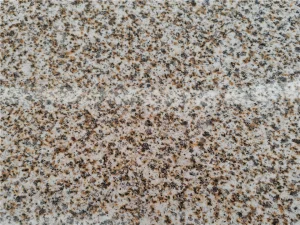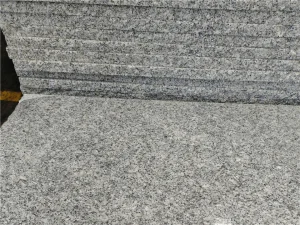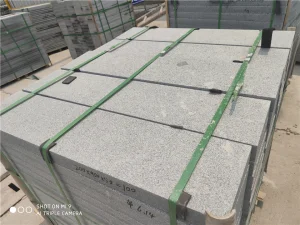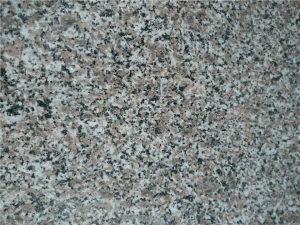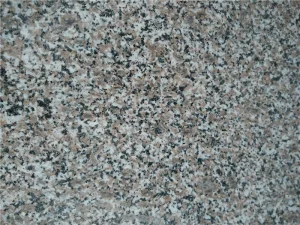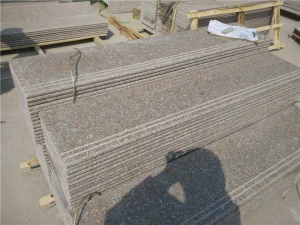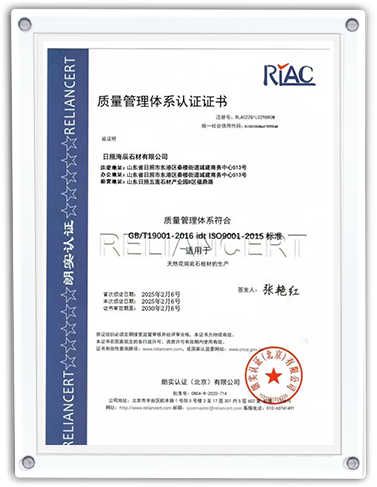
Architectural Substrates & Integrated Facade Packages (Batch I)
High-performance low iron glass assemblies frequently operate in composite harmony with precision granite cladding, podium masonry, and heavy architectural frameworks. Explore our primary manufacturing lines:
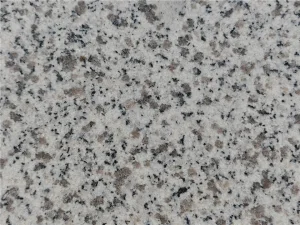
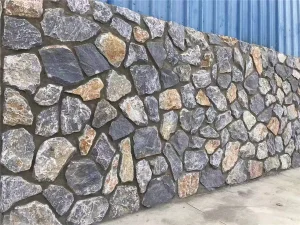
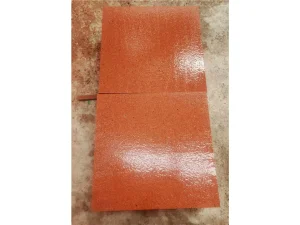
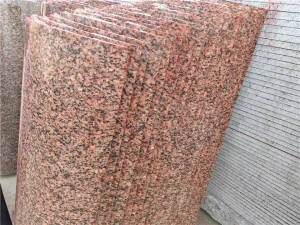
China Low Iron Laminated Glass: Technology, Physics & Manufacturing Paradigms
Comprehensive analysis of ultra-clear float chemistry, autoclaving thermodynamic equilibria, structural ionomers, and monolithic envelope integration for high-spec global building engineering.
In modern architectural envelope engineering, the pursuit of maximum visible light transmittance (VLT), optical neutrality, and post-breakage structural integrity has made Low Iron Laminated Glass (also recognized globally as extra-clear, optic-white, or ultra-clear laminated glass) the preeminent glazing medium. Standard clear float glass inherently carries a ferric oxide ($Fe_2O_3$) content typically ranging between 0.08% and 0.11% by weight. This composition generates a marked greenish-blue chromatic cast that intensifies disproportionately as the glass build-up multiplies in multi-layer laminated sandwiches (such as triple- or quadruple-ply balustrades, aquarium viewports, and structural glass fins).
By refining the batch material to reduce iron impurities below 0.015% (150 ppm) or even 0.010% (100 ppm), China's premier glass processing facilities achieve a visible light transmission exceeding 91.5% in monolithic lites. When laminated using optically pure interlayers such as virgin Polyvinyl Butyral (PVB), Ethylene Vinyl Acetate (EVA), or SentryGlas® Ionoplast (SGP), the composite pane delivers pristine color rendition (Color Rendering Index $R_a > 99$) and eliminates the dark green edge effect that frequently compromises high-end retail storefronts, museum vitrines, and monumental facade cantilevers.
Thermodynamic Autoclave Laminating
Operating within high-pressure computerized autoclaves at 12–14 bar and precisely ramping temperatures between 135°C and 145°C, ensuring complete de-airing, molecular cross-linking, and total zero-haze lamination free of delamination risk over multi-decade lifespans.
Structural Post-Failure Redundancy
Engineered with high shear modulus structural interlayers (Ionoplast / SGP), laminated low-iron glass maintains outstanding residual static load capacity even if both exterior plies undergo fracture, resisting progressive collapse in overhead glass roofs and cantilevers.
Full-Spectrum Heat Soak Testing (EN 14179)
To combat nickel sulfide ($NiS$) inclusions responsible for spontaneous breakage in fully tempered glass, our facilities deploy calibrated calibrated Heat Soak Testing (HST) furnaces to induce phase transformation before export crate crating.
Global Enterprise Procurement Specifications: Interlayers & Glass Physics
Engineering guidelines for facade consultants, curtain wall fabricators, and commercial general contractors specifying multi-laminated low iron architectural assemblies.
| Interlayer / Configuration | Typical Build-ups (mm) | Shear Modulus ($G$, 20°C) | UV Filtration | Primary Global Certifications | Optimal Architectural Application |
|---|---|---|---|---|---|
| Standard Acoustic PVB | 8.76 to 21.52 (e.g., 8+0.76A+8) | ~ 1.2 to 2.5 MPa | > 99.0% (< 380 nm) | EN 14449, ANSI Z97.1, AS/NZS 2208 | Acoustic curtain walls, urban commercial facades |
| Structural Ionoplast (SGP) | 13.52 to 50.80+ (Multi-ply) | > 100 MPa (High stiffness) | Standard / High-UV variants | ASTM E1300, Miami-Dade NOA, CE Mark | Structural glass fins, balustrades, hurricane zones |
| Thermally Cured EVA | 6.76 to 17.52 | ~ 3.0 to 4.5 MPa | Customizable blocking | ISO 12543, EN ISO 12600 | BIPV laminates, open edge decorative facades |
| Multi-Ply Low Iron Armor | 35.0 to 75.0+ Bullet/Blast | Engineered multi-layer | > 99.5% | EN 1063 (BR2-BR7), UL 752 Levels 1-8 | Embassies, high-security banking, VIP pavilions |
| Low-E Low Iron Insulated Lam | 6 Low-E + 16Ar + (6+1.52PVB+6) | Composite dual-seal | Low-E spectral selectivity | IGCC / SGCC, EN 1279 Parts 1-6 | Net-zero envelopes, LEED Platinum towers |
As detailed in our factory manufacturing scope, our operations bridge heavy mineral quarrying and precision fenestration: Rizhao Haichen Stone supplies integrated stainless steel glass clamp systems, point-fixed spider fittings, engineered aluminum curtain wall channels, and heavy pre-engineered steel substructures. Project buyers eliminate split liability by procuring verified structural glass alongside precision stonework and framing hardware.
Macro Industry Engineering Solutions: From Envelope to Ground Plane
Advanced structural glazing operates not in isolation, but as the translucent component of an engineered high-performance architectural building envelope.
Point-Supported & Fin-Supported Facades
Utilizing multi-laminated low iron glass fins (up to 12 meters in monolithic length) acting as structural mullions. Glazing panels are mechanically tethered using articulated countersunk stainless steel bolts, creating visually frameless lobbies and atrium enclosures.
Hurricane & Impact Mitigation Envelopes
Formulated to satisfy ASTM E1886/E1996 Large Missile Impact Level D/E criteria and Australian AS1170 wind-borne debris parameters. The combination of heat-strengthened low iron glass and rigid SGP interlayers eliminates envelope penetration during cyclic pressure surges.
Hybrid Granite-Glass Podium Architecture
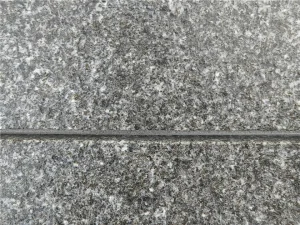
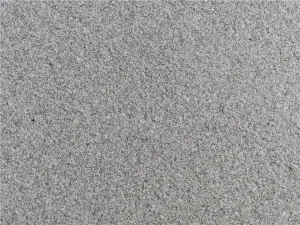
Solving thermal expansion differential and moisture migration at the ground plane where low-iron laminated retail glazing meets flamed granite podium paving (G603, G654, G3760). Integrated flashing and heavy structural glass clamps guarantee seamless water shedding.
Acoustic Attenuation Assemblies (Rw ≥ 42 dB)
Combining asymmetrical low iron glass thicknesses (e.g., 10mm Low Iron + 0.76mm Sound-Damping Acoustic PVB + 8mm Low Iron) to decouple resonance frequencies, mitigating severe low-frequency airport and urban rail vibration in hospitality towers.
Overhead Canopies & Walkable Glass Floors
Engineered with acid-etched anti-slip ceramic frits applied directly onto the top low-iron ply, laminated over multi-ply SGP layers. Meets DIN 51130 R10-R12 friction ratings while maintaining ambient light illumination into subterranean concourses.
Thermally Isolated BIPV & Double-Skin Facades
Incorporating crystalline photovoltaic cells laminated seamlessly between low-iron outer plies with tailored light-transmission bands. Directly interfaces with automated natural ventilation louvers and building management systems (BMS).
Localized Support, Testing Rigor & Global Compliance Framework
How factory direct engineering from Rizhao and Qingdao guarantees metallurgical and silicate consistency, complete international certification, and zero-breakage ocean transit.
Dual-Port Strategic Advantage
Directly positioned in the Rizhao Stone Industrial Park, our fabrication clusters leverage immediate dual-terminal dispatch via Rizhao Port and Qingdao Port. This port-factory co-location drops domestic inland transport risks by 30% and reduces container drayage dwell times.
International Accreditations
Compliant with North American SGCC (ANSI Z97.1 / CPSC 16 CFR 1201), European CE Marking (EN 14449, EN 12150-1, EN 14179 HST), and Australasian AS/NZS 2208 safety standards. Factory test certificates (MTC) and third-party lab audits accompany every export batch.
BIM & CNC Cut-to-Size Precision
All low iron laminated panels undergo 5-axis CNC diamond edge profiling, waterjet cutouts, and countersunk drilling with dimensional tolerances within ±0.5mm. Factory dry-lays and 3D digital photogrammetry ensure faultless site fit-up.
Hermetic Export Packaging
Low iron laminated lites are vulnerable to edge clouding if exposed to sea humidity. We seal panel edges with hydrophobic barrier tape, interleave with polymer micro-mesh pads, and mount them inside fumigated end-cap timber A-frames with vacuum desiccant canisters.
Technical Roadmap & Future Outlook (2025–2030)
Strategic investments in automated intelligent manufacturing, electrochromic smart glass, and low-embodied-carbon production.
Jumbo Formats & Ultra-Thin Thin-Glass Lamination
Commercialization of 18,000 mm × 3,600 mm ultra-jumbo low iron laminated lites with robotic manipulation. Simultaneously advancing multi-ply ultra-thin glass (0.7mm to 2mm chemically strengthened aluminosilicate lites) laminated to structural low-iron glass for a 40% reduction in facade deadweight.
Integrated Dynamic Smart Interlayers (PDLC / SPD)
Integrating Polymer Dispersed Liquid Crystal (PDLC) and Suspended Particle Device (SPD) switchable optical films directly within low-iron autoclave cycles. Delivers on-demand solar heat gain coefficient (SHGC) modulation and privacy control with zero haze degradation.
Near-Zero Carbon Glazing & Circular LCA
Decarbonizing production through electric arc melting furnaces powered by solar-wind microgrids. Designing bio-derived, fully depolymerizable interlayers that allow 100% mechanical separation and recycling of both the low iron glass cullet and polymer membranes at end-of-life.
Authoritative Answers for Glazing Consultants & Importers
Direct engineering clarifications addressing quality assurance, international codes, lamination physics, and combined building material logistics.
The core difference resides in iron oxide content ($Fe_2O_3$) and optical clarity. Standard float glass contains around 0.1% iron, creating a noticeable emerald-green cast. Low iron glass reduces ferric impurities below 0.015%, boosting light transmission from ~86% to >91.5% and rendering true natural colors. When laminating multiple plies, low iron avoids the dark greenish edge saturation that compromises standard multi-layer glass.
Specify SentryGlas® (SGP) when structural rigidity, post-breakage load-bearing, or open, unsealed edge durability is mandatory. SGP is 100 times stiffer and five times stronger than standard PVB. In structural glass balustrades without top rails, overhead canopies, or cyclone zones, SGP prevents the broken glass from folding over, holding the assembly erect even if both lites shatter.
Nickel sulfide ($NiS$) particles can exist microscopic within float glass. In tempered glass, these inclusions undergo a phase change that expands their volume, triggering spontaneous explosion. Heat Soak Testing (per EN 14179) subjects tempered low iron glass to 290°C ±10°C for a calibrated hold time, forcing panels with NiS flaws to shatter inside the chamber rather than on your skyscraper facade.
Yes. Rizhao Haichen Stone provides a consolidated supply chain encompassing self-owned granite quarries (G603, G654, G3760, G352), steel structure framing, and glass clamp fittings alongside low iron glass packages. Consolidated shipping eliminates separate freight handoffs, lowers container transit expenses by up to 30%, and coordinates project site delivery under a single bill of lading.
We employ automated edge trimming and precise edge sealing to protect the PVB/SGP interlayer from salt mist and airborne moisture. Products are packed in reinforced, fumigated timber cases interleaved with anti-fungal moisture sheets, with heavy-duty desiccants placed inside hermetic ocean wrap. Temperature and tilt sensors can also be integrated into custom export crates.
Standard processing lines accommodate up to 3,300 mm × 12,000 mm. Our specialized jumbo autoclave lines can process panels up to 3,600 mm × 18,000 mm for monumental lobby glass fins, transparent storefronts, and frameless atrium cantilevers, verified with full-length optical flatness scans.
Architectural Substrates & Integrated Facade Packages (Batch II)
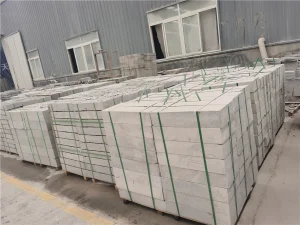
Complete the project specification with high-durability paving, structural kerbstones, and flamed/polished granite panels that complement low-iron structural curtain walls: