Direct Sourcing Catalog
Engineered Architectural Substrates & Structural Elements
Precision-manufactured building materials optimized for high-traffic infrastructure, luxury facades, and integrated facade hardware systems directly from Shandong manufacturing hubs.
Technical Whitepaper
Engineering Principles of Mirror Laminated Glass Manufacturing
Mirror laminated glass represents a transformative intersection between optical design and structural safety glazing. Unlike traditional float mirrors vulnerable to silver oxidation and explosive fracture, Chinese automated fabrication lines encapsulate the reflective metal deposition within high-tenacity polyvinyl butyral (PVB) or ethylene-vinyl acetate (EVA) matrices.
Reflective Surface Chemical Passivation
Traditional mirrors suffer edge creeping oxidation when silver coatings contact ambient sulfur and atmospheric moisture. China Mirror Laminated Glass Suppliers implement magnetron sputtering vacuum deposition (MSVD) or copper-free silvering followed by polymer passivating resins before thermal lamination. This encapsulates the reflective layer hermetically between two float glass panes.
Anti-Delamination Autoclave Cycles
Because the thermal expansion coefficient of metallic silver differs subtly from soda-lime silica, autoclave heating curves require precise multi-stage ramping. Leading Shandong and Guangdong fabrication workshops deploy 13.5 bar pneumatic autoclaves with computerized heating ramps, ensuring absolute degassing without compromising the specular brilliance or causing optical halo distortions.
Human Impact Safety (EN 12600 & ANSI Z97.1)
In high-traffic dance studios, shopping malls, elevator shafts, and hotel lobbies, standard mirrored glass poses severe laceration hazards upon impact. By bonding the mirror to tempered, heat-strengthened, or low-iron glass sheets with minimum 0.76mm to 1.52mm PVB films, fragments remain securely anchored to the interlayer even during catastrophic glass fracture.
Industrial Ecosystem
Why Global Specifiers Source Mirror Laminated Glass from China
China's supply ecosystem integrates float glass manufacturing, specialized reflective coating lines, precision autoclave lamination, and full-spectrum architectural hardware beneath unified industrial corridors.
Integrated Float Supply
Direct proximity to ultra-clear low-iron float kilns ensures iron oxide content under 100 ppm, removing greenish coloration and delivering accurate visual reflectance.
Cost-Competitive Scale
Automated cutting, bilateral edging, cleanroom layup, and batch autoclaving eliminate intermediary markups, slashing unit procurement budgets by 25% to 40%.
Port-Factory Logistics
Fabrication plants adjacent to coastal hubs such as Rizhao and Qingdao allow seaworthy fumigated steel A-frames to move directly from factory crane to container vessel.
Full Package Consolidation
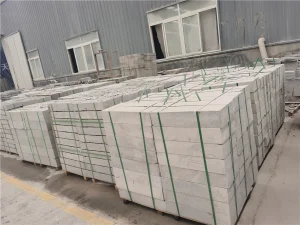
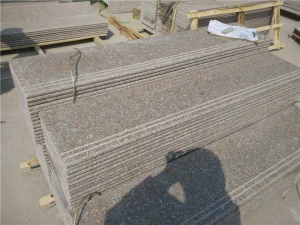
Projects consolidate mirrored glass, structural granite facades, stainless steel spiders, and curtain wall clips inside a single shipping container to streamline duty declarations.
Future-Ready Engineering
Technological Trajectories in Laminated Mirror Systems
Evolving architectural demands for spatial expansion, bio-climatic envelopes, and smart optical responses are accelerating technological innovations across Chinese mirror laminated factories.
Two-Way / Dielectric Smart Lamination
By replacing traditional opaque silvering with semi-transparent dielectric coatings (70% reflectance, 30% transmittance), factories assemble interactive smart mirrors that conceal high-resolution OLED digital signage when powered off, yet transition to crisp display terminals when backlit.
Double-Sided Specular Assemblies
Interior demountable partitions require identical mirrored aesthetics on both elevations. Chinese facilities laminate two mirror leaves back-to-back using specialized acoustic acoustic PVB (0.76mm) or SentryGlas (SGP) sheets, reducing structural panel thickness to under 12.76mm.
SGP Structural Interlayers
For suspended infinity installations and high-load structural glass floors, SentryGlas ionoplast interlayers provide 5 times the tear strength and 100 times the rigidity of conventional PVB, ensuring post-breakage post-failure load retention under heavy foot traffic.
Eco-Friendly Copper-Free Chemistry
Conforming to strict European RoHS mandates, modern Chinese plants utilize pure silver chemical bath deposition with zero copper and lead-free protective epoxy back-paints, preventing hazardous leaching during end-of-life glass recycling.
Composite Hybrid Architectural Envelope Systems
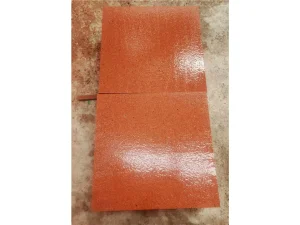
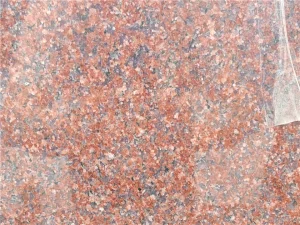
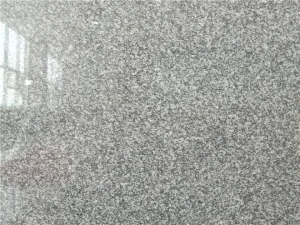
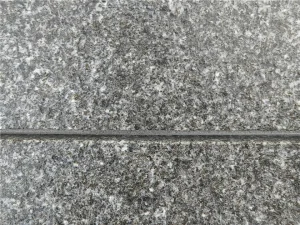
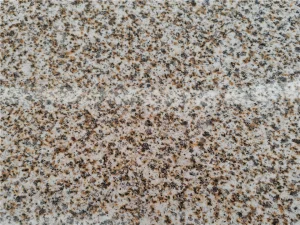
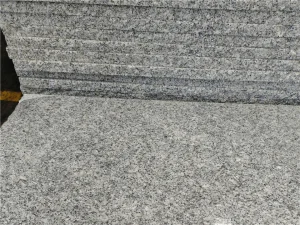
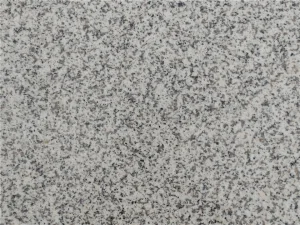
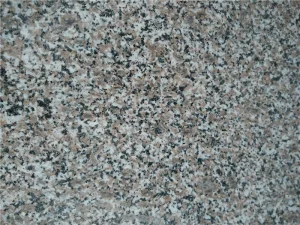
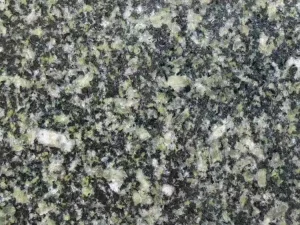
Architectural facade packages increasingly demand contrasting material rhythms. Leading engineering producers combine mirror laminated glass panels with natural stone cladding (such as G603 Sesame White and G3760 Shandong White), using unified stainless steel sub-framing to form monolithic high-performance exterior skins.
Site Implementation
Localized Architecture & Heavy-Duty Environments
Mirror laminated glass fulfills demanding performance roles where optical depth, humidity resistance, and impact defense must work harmoniously:
- Aquatic & High-Humidity Spas: Edge-sealed EVA laminates eliminate edge tarnishing and black spots even in 95% relative humidity and chlorinated air.
- Elevator Interiors & High-Rise Cores: Class A safety impact rating prevents shattering during building sway, seismic events, or luggage trolley collisions.
- Infinity Ceilings & Structural Floors: Multi-ply laminates (e.g., 8mm Mirror + 1.52mm SGP + 8mm Low-Iron) engineered for deadweight and live-load deflection thresholds.
- Retail Kinetic Display Facades: Tinted mirror laminates (bronze, grey, black, gold) offering tailored reflectivity for high-fashion boutique environments.
spec_reference_matrix.json
{
"substrate_type": "Extra-Clear Low Iron Float",
"interlayer_composition": [
"0.76mm acoustic PVB",
"1.52mm Kuraray SGP ionoplast"
],
"edge_treatment": "CNC Flat Polish / Ceramic Sealing",
"reflectivity_index": "92.4% Specular (ISO 9050)",
"salt_spray_resistance": "> 480 Hours (ASTM B117)",
"structural_compliance": [
"EN 14449 (Laminated Safety Glass)",
"ANSI Z97.1-2015 Class A",
"AS/NZS 2208:1996 Safety Glazing"
]
}
Specifier Reference
Comprehensive Engineering Specification Matrix
Direct comparative mechanical data to assist structural facade engineers, quantity surveyors, and project directors in specifying verified mirror laminated glass assemblies.
| Configuration | Composition (Nominal) | Interlayer Type | Impact Standard | Reflectance % | Common Facade/Interior Use |
|---|---|---|---|---|---|
| Standard Safety Mirror | 4mm Mirror + 4mm Clear Float | 0.76mm PVB | EN 12600 Class 2B2 | ≥ 88% | Residential Bathrooms, Wardrobes, Gymnasiums |
| Acoustic Interior Mirror | 5mm Low-Iron Mirror + 5mm Float | 0.76mm Acoustic PVB | EN 12600 Class 1B1 | ≥ 91% | Hotel Suite Partitions, Luxury Spa Corridors |
| Heavy-Duty Commercial | 6mm Tempered Mirror + 6mm Tempered | 1.52mm PVB / EVA | ANSI Z97.1 Class A | ≥ 90% | Shopping Center Columns, Airport Terminal Lobbies |
| Structural Overhead / Floor | 8mm Tempered Mirror + 10mm Clear | 1.52mm SentryGlas (SGP) | ASTM C1172 Structural | ≥ 92% | Infinity Ceilings, Observation Walkways, Cladding |
| Two-Way Interactive Mirror | 4mm Dielectric Glass + 4mm Clear | 0.76mm Clear PVB | EN 12600 Class 2B2 | 65% Refl / 30% Trans | Smart Bathroom Mirrors, Retail Digital Displays |
Due Diligence
Global EPC & Developer Procurement Strategy
Minimizing project exposure requires institutional supplier vetting, strict test audits, and seamless consolidation across complementary architectural material categories.
1. Edge Sealant Chemistry
The foremost failure mode in mirror glazing is chemical attack from unsuitable structural silicone sealants. When mounting mirror laminates, specify neutral-cure oxime or alkoxy silicones and verify that the factory applies impervious edge-coatings (such as polyurethane water-barrier paints) prior to dispatch.
2. Quality Audits & Factory Approvals
Global procurement teams should demand proof of accredited factory audits (ISO 9001, SGCC, CE mark compliance). Perform third-party dry-lay evaluations, coordinate optical pinhole inspections under 1000 lux illumination, and review 480-hour copper-accelerated salt spray (CASS) test records.
3. Cross-Material Package Synergy
Commercial facades rarely depend on glass alone. Working with integrated suppliers capable of coordinating cut-to-size granite wall cladding (G602, G682, G614), stainless spider clamps, and thermally broken aluminum windows allows EPC contractors to eliminate split liabilities and lower ocean freight drayage costs.
Engineering FAQ
Frequently Asked Questions: Technical & Export Specifications
Clear answers addressing the key architectural, chemical, and logistics questions asked by international buyers and project engineers.
What distinguishes mirror laminated glass from standard safety-backed (CAT II) mirrors?
Safety-backed mirrors (CAT II) merely apply an adhesive woven film to the reverse paint of a single glass pane. While it provides basic break-safe retention, it offers zero structural rigidity, low edge-corrosion resistance, and poor post-breakage load-bearing strength. Mirror laminated glass, by contrast, sandwiches the mirror plate and a second glass sheet under high-pressure autoclave conditions with PVB, EVA, or SGP interlayers. This creates a true Class A structural composite that retains rigidity and prevents water ingress around the reflective layer.
Can mirror laminated glass be tempered or heat-strengthened?
Yes, but fabrication sequencing is critical. Traditional silver mirrors cannot be passed through a tempering furnace because the 680°C thermal cycle destroys the reflective silver coating. Leading Chinese factories first temper or heat-strengthen both float glass panes individually (or utilize magnetron offline sputtering tempered mirror glass), calibrate planar flatness to avoid roller-wave optical distortion, and then bond them in cleanroom autoclaves using PVB or EVA interlayers.
Which interlayer is recommended for wet rooms, saunas, and exterior settings?
For high-humidity or exterior exposures, Ethylene-Vinyl Acetate (EVA) or SentryGlas (SGP) is strongly recommended over standard Polyvinyl Butyral (PVB). EVA features a cross-linked polymer structure with virtually zero water absorption, preventing perimeter clouding, delamination, and silver de-bonding along exposed glass edges. SGP is selected when high wind loads or overhead impact requirements apply.
How do China factories package and protect mirror laminated glass for transoceanic transit?
Packaging uses custom-built, ISPM-15 fumigated wooden crates or heavy-duty steel end-caps. Each glass leaf is dusted with anti-fungal lucite separating powder or cushioned with EVA protective corner pads and PE stretch-wrap. Desiccant packs are inserted to counter container condensation, and cases are secured to shipping containers via steel tensioning cables to resist rough sea voyages.
Can buyers consolidate mirror laminated glass shipments with architectural stone and hardware packages?
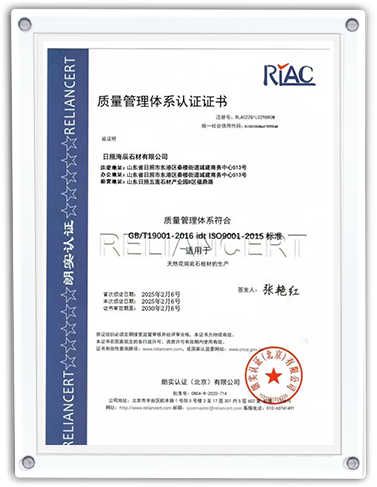
Yes. One of the primary advantages of sourcing from integrated industrial clusters like Rizhao Haichen Stone is containerized consolidation. Importers frequently combine cut-to-size granite pavers, granite cladding slabs (such as G603, G682, G352), architectural mirror laminated panels, and stainless steel facade fixtures within single 20ft or 40ft HQ containers, reducing customs documentation costs and streamlining delivery timelines.
Integrated Sourcing Collection
Quarry-Direct Stone, Slabs & Cladding Series
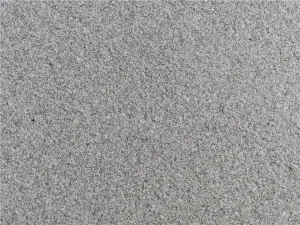
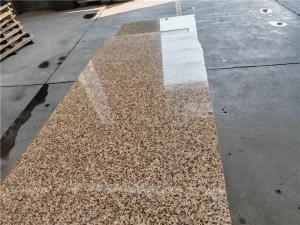
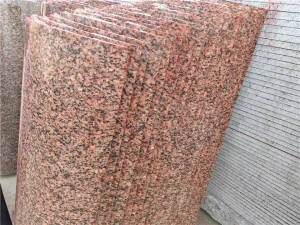
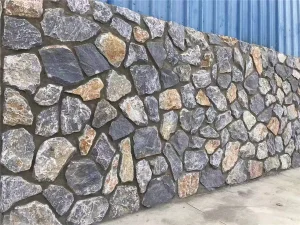
Explore our full line of commercial-grade architectural granite blocks, pavers, carved details, and facade panels supplied worldwide alongside structural glass installations.