Engineered Architectural Substrates & Cladding Units
Precision-manufactured quarry-direct stones and complementary building envelope components fabricated under strict dimensional tolerances for global projects.
-
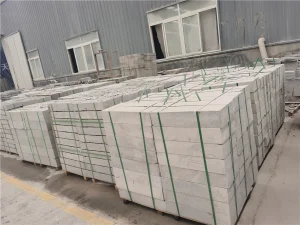 Wholesale Limestone Granite: Nature's Dual Gift Manufacturer, FactoryConfigure Specifications
-
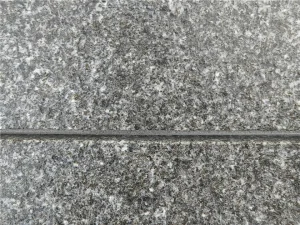 China G3701 Binzhou Blue Granite Suppliers, FactoryConfigure Specifications
-
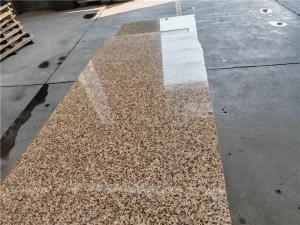 China A1684 Golden Hemp Granite Countertops Manufacturer, FactoriesConfigure Specifications
-
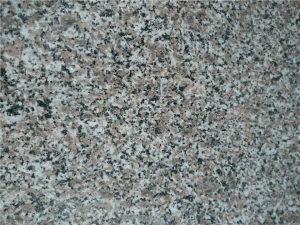 China G6361 Wulianhua Granite for Landscaping Manufacturer, FactoriesConfigure Specifications
-
 China G614 Sesame Grey Granite Slabs & Tiles Supplier, SuppliersConfigure Specifications
-
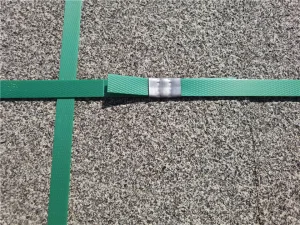 Wholesale G654 Sesame Black Granite Polished Slabs Suppliers, FactoriesConfigure Specifications
-
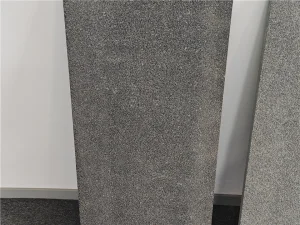 Wholesale G684 Fuding Black Granite Factories, FactoryConfigure Specifications
-
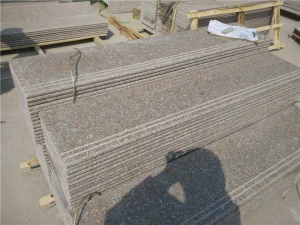 Wholesale G368 Wulian Red Granite Paving Stones Supplier, SuppliersConfigure Specifications
Macro-Industry Solutions & Translucent Cladding Systems
Evaluating structural integrity, optical diffusion indices, and thermal envelopes across contemporary international construction ecosystems.
Optimized Daylighting & Glare Attenuation
Contemporary architectural design heavily focuses on internal human wellness (WELL Building Standard) and visual comfort. Direct exposure to solar radiation triggers elevated cooling loads and discomforting glare in commercial atriums and high-rise office towers. Translucent laminated glass incorporates custom frosted, acid-etched, or white interlayers (PVB or EVA) with controlled light transmittance (VLT 15% to 85%), converting blinding direct sun into a soothing, omnidirectional diffuse light field while eliminating hotspot glare and reducing HVAC energy loads.
Post-Breakage Structural Integrity (SGP & PVB)
Structural laminated glass engineering balances glass deflection, wind load shear, and post-breakage load-bearing safety. When reinforced with SentryGlas (SGP) ionoplast interlayers, translucent laminated assemblies offer 5 times the tear strength and up to 100 times the rigidity of conventional PVB. Even under thermal fracture, catastrophic wind-borne debris, or high seismic acceleration, the cracked glass panes adhere tenaciously to the translucent interlayer, maintaining a taut physical barrier that prevents falling shards.
Acoustic Damping & Visual Seclusion
Urban noise pollution is a core design constraint for commercial developments near transit corridors. Monolithic glass exhibits a pronounced coincidence dip where acoustic transmission peaks. The viscoelastic interlayer in translucent laminated glass decouples sound waves across critical resonance frequencies (100 Hz to 5000 Hz), achieving Sound Transmission Class (STC) ratings up to 42 dB. Combined with translucent diffusion, it ensures absolute visual privacy in executive boardrooms, healthcare facilities, and courtrooms without forfeiting ambient light transmission.
Manufacturing Technology, Autoclaving & Global Compliance
Precision-controlled cleanrooms, thermal vacuum de-airing, and multi-tier quality inspection matching North American, European, and Australasian building codes.
Class 10,000 Cleanroom Lamination
Optical translucency demands absolute cleanliness. Any micro-particulate, lint, or moisture contamination caught within the sandwich laminate ruins haze consistency and induces localized delamination bubbles under cyclic solar baking. Our cleanroom facilities maintain precise climate regulation (temperature 20±2°C, relative humidity 25-30%), guaranteeing pristine adhesion between low-iron float glass substrates and translucent polymeric interlayers prior to pre-nip roll consolidation.
High-Pressure Industrial Autoclaving
De-aired lites are moved to industrial high-pressure autoclaves executing automated thermal-pressure curves. The process pressurizes chambers to 12–14 bar while stabilizing temperatures at 135–145°C over a prolonged cycle. This melts the PVB/SGP resin, activating chemical cross-linking silane bonds with the glass silicate interface. The result is total optical homogeneity, permanent moisture resistance, and the elimination of micro-voids, guaranteeing 20+ years of outdoor edge stability without delamination.
International Regulatory Compliance
Global delivery demands comprehensive qualification. Every production batch is certified against rigorous safety glazing protocols: North American ANSI Z97.1 & CPSC 16 CFR 1201 (Category II impact resistance), European CE EN 14449 & EN 12600, ASTM C1172 for architectural laminated flat glass, and Australian AS/NZS 2208. Quality verification includes shotgun bag drop impact tests, bake tests at 100°C for 2 hours (no bubbles), and accelerated UV radiation aging (ISO 12543-4).
| Interlayer Type & Substrate | Visible Light Transmittance (VLT) | Haze Coefficient (%) | Shear Modulus (20°C, 1hr) | Applicable Standards | Primary Commercial Use |
|---|---|---|---|---|---|
| Standard Translucent PVB (0.76mm) | 35% – 65% (Custom) | > 90% Uniform | 1.2 – 1.8 MPa | EN 14449 / ASTM C1172 | Interior partitions, glass railings, privacy screens |
| High-Acoustic Frosted PVB (0.81mm) | 40% – 58% | > 95% Soft Glow | 0.8 – 1.1 MPa | ASTM E90 / ISO 10140 | Executive offices, medical facilities, recording studios |
| SentryGlas (SGP) Frosted Composite | 25% – 70% | > 92% Diffuse | 100+ MPa (Rigid) | ANSI Z97.1 / ASTM E1300 | Structural glass fins, overhead canopies, balustrades |
| Thin Stone-Glass Laminated Veneer | 12% – 38% (Translucent) | Natural Stone Veining | Composite Matrix | ASTM C615 / EN 1469 | Backlit luxury lobbies, landmark curtain walls, reception desks |
Commercial & High-End Architectural Applications
Balancing thermal performance, natural lighting diffusion, and bespoke structural aesthetics across demanding industrial envelopes.
Unitized Curtain Wall Spandrels & Shadowboxes
In modern tower facades, translucent laminated glass serves as high-end spandrel panels and shadowbox glazing. By concealing floor slabs, structural columns, and HVAC ductwork without creating an abrupt, dark monolithic band, translucent assemblies impart a uniform crystalline depth to the exterior building envelope. When paired with high-performance low-emissivity (Low-E) coatings, they suppress solar heat gain coefficient (SHGC < 0.28) while preventing thermal stress fracture under fluctuating outdoor exposures.
Overhead Canopies & Sloped Atrium Glazing
Overhead glazing demands safety performance against impact from hail, maintenance foot-traffic, and falling objects. Translucent SGP-laminated units prevent the dazzling greenhouse heat effect typical of transparent skylights by softly scattering downward solar illumination. In the rare event of dual lite rupture, the structural ionoplast prevents the panel from sagging or collapsing inward, protecting occupants underneath until scheduled replacement can occur.
Backlit Translucent Natural Stone Envelopes
Bridging natural stone craftsmanship and glass engineering, ultra-thin slices of natural marble, onyx, or granites (3mm–5mm thickness) are bonded to high-strength tempered glass via water-clear translucent resins. When backlit with integrated LED panels, the natural veins, crystal inclusions, and mineral contours of the stone shine vividly. The rear glass laminate provides the tensile strength and structural support that brittle natural stone lacks, allowing expansive, illuminated stone feature walls in airport terminals and luxury hotels.
Technology Roadmap: Intelligent & Sustainable Lamination
Exploring advanced polymer sciences, electro-optical dynamic switching, and Building Integrated Photovoltaic (BIPV) integration.
Switchable PDLC Smart Translucency
Polymer Dispersed Liquid Crystal (PDLC) technology encapsulates micro-droplets of nematic liquid crystal within a cured polymer matrix sandwiched between conductive ITO films. When unpowered, liquid crystal molecules are randomly distributed, causing light rays to scatter into an opaque frosted state. When an alternating voltage (typically 48V–65V AC) is engaged, the molecules align parallel to the electric field, transforming the glass from milky translucent to clear in under 20 milliseconds.
Semi-Transparent BIPV Solar Facades
Decarbonization roadmaps (Net-Zero 2050) require exterior glass envelopes to generate renewable electricity. Modern translucent laminated BIPV embeds micro-patterned monocrystalline or cadmium telluride (CdTe) thin-film cells inside an EVA/PVB interlayer. This delivers a controlled haze transmittance for interior daylighting while harvesting clean solar energy on south and west-facing building elevations, contributing directly to LEED v4.1 Energy and Atmosphere credits.
Vacuum Translucent Insulated Glazing (V-IGU)
Pairing translucent laminated safety glass with vacuum insulating technology creates an envelope panel with thermal insulation rivaling solid masonry walls (U-values below 0.60 W/m²K / R-10). By creating a 0.15mm high-vacuum chamber supported by micro-pillar spacers between the laminated outer lite and interior low-iron pane, conductive and convective heat transfer is eliminated, preventing winter condensation and maintaining thermal comfort near glass perimeters.
Frequently Asked Technical & Sourcing Questions
Direct engineering answers regarding interlayer durability, delamination prevention, acoustic ratings, and international sea-freight handling.
What is the structural difference between frosted/acid-etched glass and white interlayer laminated glass?
How do you prevent edge delamination and moisture ingress in exterior open-edge installations?
Can translucent laminated glass be integrated into Double or Triple Insulated Glazing Units (IGUs)?
What are the maximum sheet dimensions and thickness tolerances for custom architectural runs?
How are maritime breakages and moisture damage prevented during container shipping?
Specialty Natural Stone Blocks, Slabs & Tailored Facade Paneling
Direct quarry allocations and bespoke cut-to-size dimensional architectural stonework engineered for civic plazas, commercial towers, and cultural developments.
-
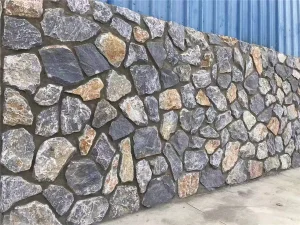 Wholesale Chinese Culture Granite: Stone Chronicles a Millennium, Artistry Inherits the Orient Manufacturer, SuppliersConfigure Specifications
-
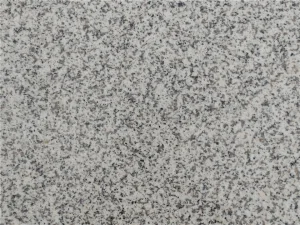 China G603 Sesame White Granite Suppliers, FactoryConfigure Specifications
-
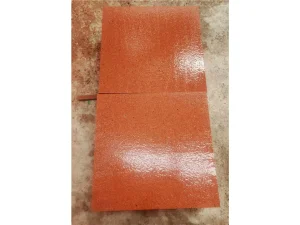 China Premium Chinese Red Granite Blocks Supplier, SuppliersConfigure Specifications
-
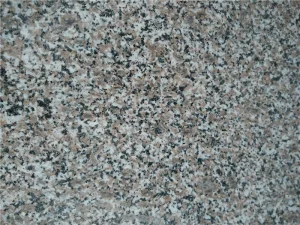 China Other Colours Granite – Custom Orders Manufacturers, FactoriesConfigure Specifications
-
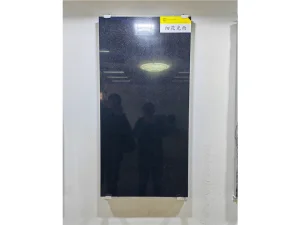 China G3401 Shanxi Black Granite Manufacturer, FactoryConfigure Specifications
-
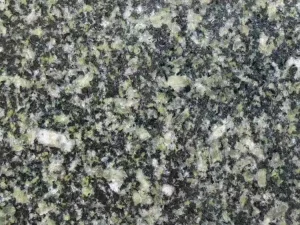 China G4101 Forest Green Granite Veneer Panels Supplier, FactoriesConfigure Specifications
-
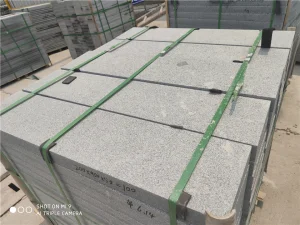 China G654 Sesame Grey Granite Flamed Finish Supplier, FactoriesConfigure Specifications
-
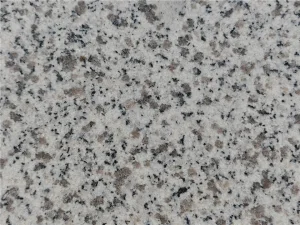 Wholesale G3760 Shandong White Marble Granite Manufacturers, SuppliersConfigure Specifications