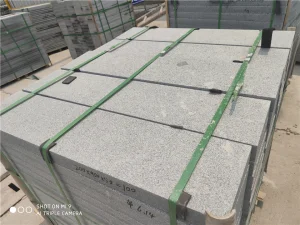
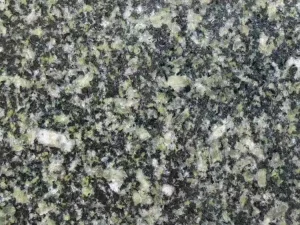
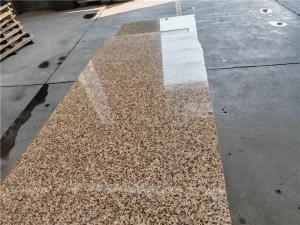
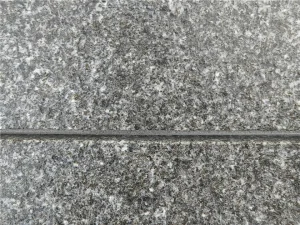
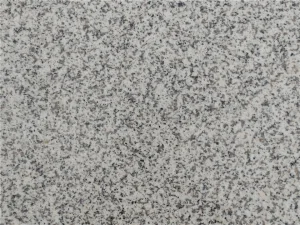
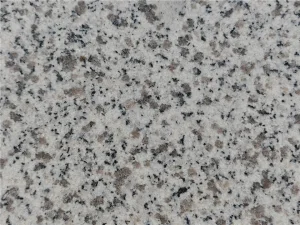
China G654 Sesame Grey Granite Flamed Finish
Inquire Material
Featured stone collections directly fabricated at Rizhao Stone Industrial Park, calibrated for commercial export.

Understanding shifting consumer demands, high-end hospitality procurement patterns, and the integration of classic patina with modern stone engineering.
The global contract furniture sector has witnessed an unprecedented surge in demand for vintage marble table tops. Boutique hotels, luxury dining groups, and flagship retail environments are departing from cold, synthetic quartz and artificial laminates in favor of authentic sedimentary and metamorphic stones characterized by weathered edges, tactile antique finishes, and distinctive geological fissures that convey pedigree and bespoke luxury.
While European quarries maintain prestigious brand value, escalating energy expenditures and stringent environmental quotas across traditional fabrication centers have elevated procurement lead times beyond acceptable project windows. Global design houses and contract developers increasingly turn to tier-one Chinese factories with vertically integrated quarry assets to mitigate freight delays, stabilize cost curves, and ensure raw material predictability.
Natural stone represents an inherently cradle-to-cradle architectural medium. High-density crystalline formations offer indefinite service lifecycles when treated with modern penetrating hydro-oleophobic sealants. Commercial interior architects specify antique finished marble because scratches and minor chemical etches blend naturally into vintage patinas, dramatically lowering long-term maintenance overheads compared to polished resin composites.
How technical automation, port-adjacent clustering, and quarry integration in Rizhao streamline industrial capacity for global hospitality rollouts.
Operating proprietary mineral extraction points within the Rizhao Stone Industrial Park eliminates intermediary handling layers. For large-scale multi-unit commercial developments requiring uniform tonality across hundreds of tables, direct block allocation guarantees that vein profiles, porosity parameters, and coloration patterns remain harmonized across multi-container shipments.
Replicating century-old patinas with structural reliability demands high technical control. Chinese manufacturing centers deploy automated multi-head waterjet tables, 5-axis bridge cutters, and computerized rotary tumbling baths. Controlled mechanical brushings and organic hydrochloric acid baths dissolve micro-calcites to yield genuine historic textures without compromising compressive load capacity.
Modern vintage table fabrication frequently demands structural reinforcement without excessive mass. Leading facilities integrate high-strength aerospace aluminum honeycomb backing, carbon-fiber grid laminations, or high-density glass fiber mats bonded via solvent-free epoxy resins. This engineering reduces freight dead-weight by up to 60% while mitigating handling fractures during intermodal transport.
Situated within rapid logistics proximity to Rizhao Port and Qingdao Maritime Hub, factory operations capitalize on immediate container drayage. Direct factory loading into desiccated, fumigated timber crating minimizes secondary terminal handling. Port-factory alignment drives a 30% reduction in local drayage overheads, insulating foreign buyers against volatile supply chains.
Every commercial architectural procurement involves comprehensive BIM/CAD rendering validation prior to saw cut. Chinese engineering divisions provide millimeter-accurate cross-sectional detailing for bullnose, ogee, chiseled, or marine drip edges. Rigorous dry-lay factory simulations permit complete visual color balancing before crate assembly, verified via high-resolution photogrammetric scans.
Technical evaluation criteria for structural integrity, maintenance protocols, and safety compliance according to international ASTM and EN standards.
| Finish Profile | Surface Micro-Profile | Slip Rating (PTV / R) | Maintenance Overhead | Primary Commercial Application |
|---|---|---|---|---|
| Antique Brushed / Leathered | Tactile undulating relief, closed capillaries | PTV 40+ (Low Slip Risk) | Minimal; natural camouflage for micro-scuffs | High-turnover bistros, luxury dining, lounge tables |
| Acid-Washed Vintage | Velvety microporous matte texture | PTV 36-45 (Dependable Grip) | Requires deep penetrating fluorochemical sealer | Boutique cafe dining, executive conference tops |
| Tumbled Heritage Edge | Softened, broken chiseled perimeters | Not Applicable (Perimeter Detail) | Low; edge chips conform to vintage aesthetic | Heritage restoration, outdoor tavern tables |
| Honed Commercial Matte | Flat, non-reflective satiny sheen | PTV 30-36 (Moderate Dry Performance) | Periodic resurfacing and stain monitoring | Corporate workstations, modern luxury consoles |
| High-Gloss Polished | Specular glass-like reflective glaze | PTV <25 (Slick when Wet) | High; etching and hairline scratching evident | Formal executive boardrooms, dry display podiums |
How distinct commercial sectors deploy vintage marble table surfaces to harmonize durability, acoustic balance, and experiential brand identity.
For high-turnover restaurants, table surfaces undergo thousands of cycles of cutlery impact, acidic spill exposure (wine, vinegar, citrus), and aggressive disinfectant wiping. Vintage marble table tops with an antique acid-washed and brushed finish offer high scratch resilience and disguise surface wear over decades, providing operators with low lifecycle expenditure.
Architectural interior designers specify bespoke cut-to-size vintage marble slabs for dining table centerpieces, executive credenzas, and integrated outdoor barbecue islands. The historical patina introduces biophilic depth into urban spaces, bridging modern industrial steel and glass architecture with millions of years of geological formation.
In high-profile corporate environments and luxury retail showrooms, vintage natural stone demonstrates permanence and organic authenticity. Custom engineered large-format meeting tops (up to 3.2 meters seamless span) utilize precision steel undercarriage systems, built-in wire routing portals, and lightweight honeycomb substrates for structural safety.
Technological transformation, carbon verification, and structural integration redefining commercial natural stone manufacturing.
Historical vintage marble surfaces were notoriously susceptible to oil staining and moisture absorption. Today, cutting-edge Chinese processing plants integrate vacuum-assisted, deep-penetrating nano-fluoropolymer treatments. These sealants react chemically within microscopic crystal pores without modifying the tactile vintage sheen, elevating stain resistance to wine, coffee, and grease to commercial laboratory ratings.
To reduce container carbon footprints and simplify on-site furniture assembly, production centers are mastering 5mm to 8mm ultra-thin stone slicing. Coupled with aviation-grade aluminum honeycombs or expanded ceramic cores, these composite table tops deliver identical tactile aesthetics while reducing total weight by over 60%, easing load limitations in high-rise towers.
Modern ecological stewardship has driven Chinese manufacturing infrastructure toward closed-loop automated environmental controls. Stone cutting runoff slurry is pressed via filter-press mechanisms into high-density composite blocks, while 98% of process water is cycled through high-velocity clarification loops, ensuring ethical compliance with global ESG procurement protocols.
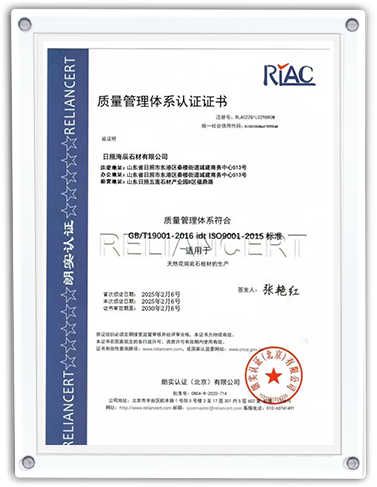
A transparent look at the quality management protocols implemented across our Shandong stone manufacturing operations.
Ultrasonic pulse velocity testing inspects raw blocks directly from the quarry face, identifying internal fissure networks, non-crystalline veins, or microscopic faults prior to saw blade entry.
Multi-roller calibration lines machine slabs to a strict tolerance of ±0.5 mm across the entire surface span, eliminating uneven edge alignment during furniture frame mounting.
Controlled acid-bath immersion dissolves calcite micro-reliefs, followed by mechanical brush heads with diamond grit (grits 36 through 500) to round texture edges for authentic aged patinas.
Every commercial batch is assembled across factory floors under calibrated daylight LEDs (5500K). Vein matchings are color-grouped, sequentially indexed, and numbered according to architectural plans.
Two separate passes of penetrating oleophobic sealants are applied under heated conditions to achieve complete depth penetration, verified through live water-bead contact angle testing.
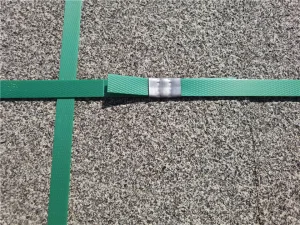
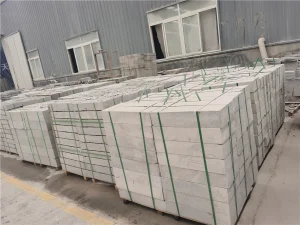
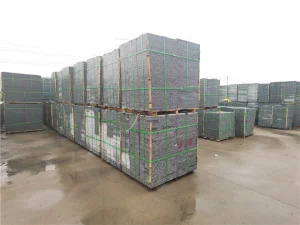
Pieces are isolated via closed-cell EVA foam, vertical upright wooden A-frames, and moisture-absorbing silica packets, then secured inside export-grade heat-treated timber crates.
Technical guidance for global importers, contract furniture manufacturers, and project specifiers.
Explore additional durable structural stones and finishing materials processed under European dimensional tolerances.

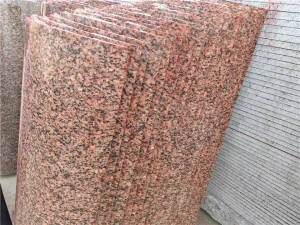
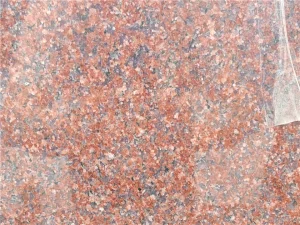

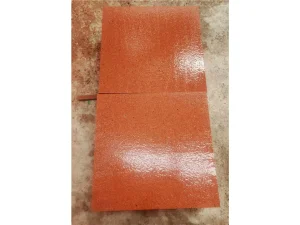
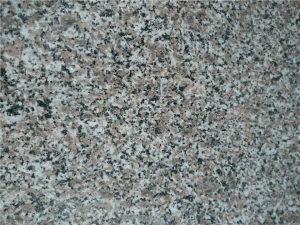
Forward your CAD drawings, schedule of finishes, or project bill of quantities directly to our engineering division in Rizhao, Shandong. We provide comprehensive petrographic specifications, sample kits, and factory-direct estimates within 24 business hours.