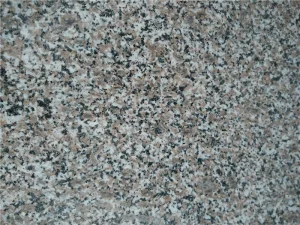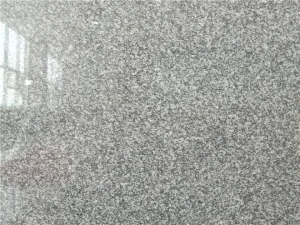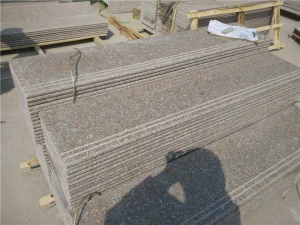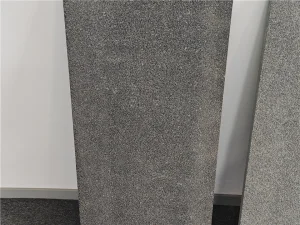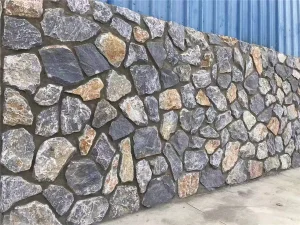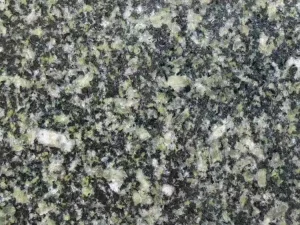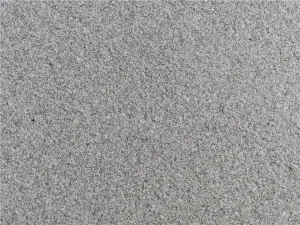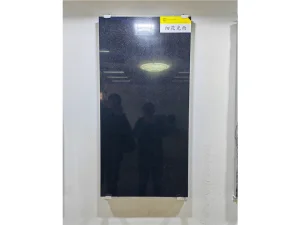
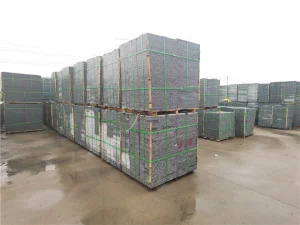
Direct-From-Quarry & Factory Catalog
Specified Architectural Facade & Structural Materials
Verified wholesale structural building materials, natural cladding, and perimeter solutions directly integrated with advanced breaking laminated glass systems for Tier-1 contractors worldwide.
Engineering Deep Dive
Deciphering Post-Breakage Mechanics: Fail-Safe Structural Integrity
In high-specification commercial engineering, laminated glass is evaluated not merely by its pre-fracture load resistance, but by its "post-breakage residual strength"—the capacity of the broken glass matrix and interlayers to hold structural loads without catastrophic collapse.
Interlayer Tensile Performance
Standard PVB (Polyvinyl Butyral) delivers base impact damping, but structural ionomer interlayers (such as SentryGlas® equivalents) offer up to 100 times higher rigidity and 5 times the tear strength upon breakage. Under destructive loads, the ionomer prevents shear slippage.
- Young's Modulus: >300 MPa at 24°C
- Elastic plastic deformation damping
- Zero interlayer degradation under ASTM E2188
Differential Fracture Calibration
By engineering asymmetric tempering stresses (e.g., combining Fully Tempered outer plies with Heat-Strengthened inner cores), controlled breakage patterns are formed. Heat-strengthened glass fractures into large interlocking islands, creating residual mechanical arch action.
- Compressive surface stress: 69 to 105 MPa
- Edge compression consistency: ±2 MPa
- Preserved membrane tension post-impact
Multi-Ply Structural Glazing (SSG)
In overhead canopies, glass flooring, and frameless curtain wall spandrels, multi-layered breaking laminated systems prevent catastrophic punch-through. Even with two glass plies shattered, the engineered composite sustains 1.5 kPa dead-load for up to 24 hours.
- Continuous clamp load preservation
- Seismic displacement absorption
- Compatible with point-fixing spider brackets
| Interlayer Type | Breakage Behavior | Post-Fracture Load (24hr @ 25°C) | Wind-Borne Debris Impact | Recommended Engineering Application |
|---|---|---|---|---|
| Standard Acoustic PVB (0.76 - 1.52mm) | Flexible blanket collapse; micro-shards adhere tightly | Low (< 0.2 kPa) — non-structural | Pass Class A (Level 1) | Interior acoustical partitions, low-rise windows |
| Heat-Strengthened PVB Composite | Large interlocking plates; high membrane stiffness | Moderate (0.8 - 1.2 kPa) | Pass Class B (Medium Debris) | Commercial facades, retail storefronts, balustrades |
| Rigid Structural Ionomer (SGP Type) | Self-standing vertical posture even when all plies fracture | High (2.0 - 3.5 kPa) — full structural retention | Pass Level E (Hurricane Zone 4 & Bomb Blast) | Structural glass fin walls, walkable floors, overhead roofs |
| Multi-Ply EVA Hybrid Matrix | High chemical adhesion; moisture-proof edge sealing | Medium (0.6 - 1.0 kPa) | Pass ASTM F1642 Blast Standard | Wet environments, exterior frameless glass canopies |
Smart Manufacturing Ecosystem
China Factory 4.0: Supply Chain Resilience, Automation & Port-Integrated Scale
Modern architectural glass procurement requires micron-level machining precision, zero-delamination autoclaving, and agile harbor logistics. Our production facilities deploy full automated line integration with regional coastal logistics hubs.
Dust-Free High-Pressure Autoclaves
Deploying ISO Class 7 cleanrooms for interlayer lamination prevents particulate contamination and vacuum edge-bubbling. Dual computerized autoclaves maintain balanced 14 bar pressure profiles, neutralizing internal tension anomalies.
- Automated vacuum de-airing rings
- Laser optical distortion scanning
- Batch- by-batch boiling tests (>2 hrs @ 100°C)
CNC Five-Axis Edge Grinding & Drilling
Micro-cracks along cut edges are the primary cause of spontaneous glass breakage. High-speed CNC diamond-tool edging eliminates thermal stress concentrations, ensuring pristine bevels, flat polish, and accurate countersunk holes for spider fittings.
- Dimensional tolerance: ±0.5mm
- Hole edge chamfering: R > 1.5mm
- Elimination of micro-notches before tempering
Direct Coastal Logistics: Rizhao & Qingdao
Direct integration between inland manufacturing plants and major North China deepwater container hubs (Rizhao Port and Qingdao Port) minimizes land transit shock. Heavy export A-frames and moisture-sealed desiccated crates eliminate ocean freight damage.
- Transit to port: < 2.5 hours
- Dedicated bulk container loading docks
- Fumigated wood crating compliant with ISPM 15
500,000+
Annual m² Output
High-capacity automated processing
99.8%
Inspection Pass Rate
Factory-wide automated laser audit
< 0.05%
Spontaneous Breakage
Post-Heat Soak Testing (HST) rate
45+
Global Export Markets
Certified across NA, EU, APAC, MEA
Comprehensive Engineering Scenarios
Macro-Industry Solutions: Multi-Sector Structural Glazing Deployments
Architects and structural engineers specify breaking laminated glass across critical environments requiring strict fall-prevention, blast-attenuation, and windstorm resistance.
High-Rise Curtain Walls & Spandrels
Engineered for high-altitude wind pressure resistance (reaching 4.5+ kPa dynamic windloads). In the event of an exterior projectile strike, the unit fractures while retaining its planar form, preventing hazardous glass rain on street levels below.
- Meets ASTM E1300 structural requirements
- Solar-control Low-E ceramic coatings
- Hermetically sealed double & triple-glazed units
Structural Balustrades & Cantilever Railings
Frameless glass railings demand extreme rigidity. Utilizing high-modulus structural interlayers ensures that even if one glass lite fractures completely under blunt force impact, the railing holds line-load barrier code requirements without toppling.
- BS 6180:2011 compliant for crowd loadings
- Direct integration with stainless glass clamps
- Polished water-repellent top and side bevels
Overhead Skylights & Canopies
Public safety codes mandate laminated construction for all sloped glazing above 15 degrees. Breaking laminated glass ensures maintenance personnel cannot fall through in an accidental breakage event, maintaining dead-weight protection.
- Residual weight bearing: 100 kg dead-point load
- Dual-side ceramic frit anti-slip patterns
- UV filtering > 99.8% protecting interior spaces
Global Regulatory Conformity
Localized Support & Compliance Assurance: Mitigating Import Risks
Cross-border procurement of architectural glass carries severe liabilities if documentation or manufacturing tolerances fail regional building codes. Every batch exported from our facilities is backed by documented traceability and third-party certified testing.
North America (ANSI & SGCC)
Fully compliant with ANSI Z97.1-2015 and CPSC 16 CFR 1201 (Category II impact resistance). Approved by the Safety Glazing Certification Council (SGCC).
SGCC & IGCC VerifiedEurope & UK (CE & UKCA)
Conforms to EN 14449 (Laminated Safety Glass) and EN 12150 (Tempered Glass). Validated under Factory Production Control (FPC) System 3 audits.
EN 14449 CertifiedAustralia / NZ (AS/NZS)
Certified under AS/NZS 2208:1996 for safety glazing materials in buildings. High impact, fragmentation, and boil test test reports delivered per bill of lading.
AS/NZS 2208 StandardMiddle East (Civil Defense)
Engineered for high ambient heat resistance up to 55°C without interlayer yellowness or bubbling. Tested to ASTM E119 fire integrity protocols.
Thermal Stability Approved
Integrated Procurement Advantage
Global Enterprise Procurement: Bundling Structural Glass & Granite Facades
Leading general contractors and facade engineering firms maximize container utilization and eliminate supplier finger-pointing by consolidating glass envelopes, hardware clamps, and natural stone cladding into unified FOB/CIF consignments.
Unified Supply & Joint Warranty
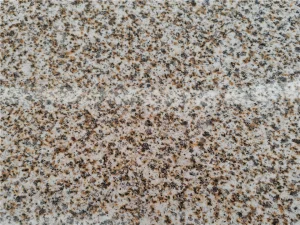
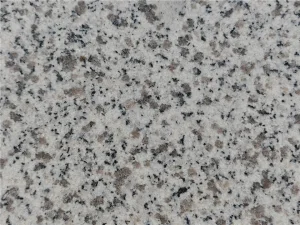
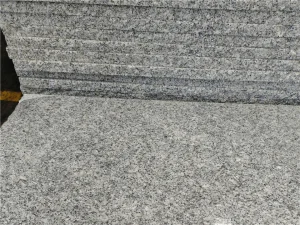
Consolidating stone exterior panels (such as G603 Sesame White or G654 Sesame Black) with high-performance laminated glass facades allows unified color engineering, shared mock-up approvals, and coordinated thermal expansion calculations.
- Single point of international trade accountability
- Unified payment terms (L/C, T/T milestone release)
- Matching engineering shop drawings & elevations
Optimized Multi-Product Containerization
Shipping dense natural stone blocks along with crated breaking laminated glass and heavy stainless-steel glass clamps inside shared 20ft and 40ft High Cube containers allows freight forwarders to hit maximum container weight limits without wasted volume.
- Up to 30% reduction in total maritime logistics cost
- Customized steel A-frames anchored directly to container floors
- Real-time container tracking with tilt/shock sensors
Independent Lab Verification & Dry-Lay
Prior to release, buyers can mandate factory-floor dry-lays of stone facade sections side-by-side with laminated glazing samples to verify reflectivity balance, sealant channel tolerance, and anchor groove alignments under uniform lighting conditions.
- Pre-shipment photo & 4K video inspection portfolios
- Third-party audits (SGS, TÜV, Bureau Veritas) welcome
- Full traceability from raw quarry block to glass melt run
Industry 2030 Roadmap
Technical Roadmap: Next-Generation Intelligent & Ultra-Resilient Laminates
The laminated glass sector is advancing beyond passive barrier protection. Smart glass integration, embedded photonic layers, and circular recycling protocols represent the future of sustainable architecture.
Self-Diagnosing Sensor Interlayers
Emerging research embeds micro-piezoelectric sensors within the PVB/ionomer layer. In smart buildings, micro-fissures or abnormal frame deflections are detected in real-time, alerting facility managers prior to complete visual breakage.
Ultra-Thin Chemically Tempered Hybrids
By pairing 0.7mm aluminosilicate chemically strengthened glass outer plies with thicker heat-strengthened cores, overall glazing unit weight is reduced by 40% while doubling projectile impact performance for high-speed transit and coastal hurricane shields.
Circular BIPV Safety Laminates
Integrating semi-transparent micro-solar cells into breaking laminated glass overhead canopies allows commercial projects to generate on-site power without compromising overhead shatter containment or falling-object life-safety mandates.
Procurement & Engineering Intelligence
Frequently Asked Questions: Breaking Laminated Glass Wholesale
Authoritative technical and logistical answers for structural specifiers, quantity surveyors, and international procurement managers.
What differentiates "Breaking Laminated Glass" from standard laminated glass?
"Breaking laminated glass" specifically references architectural safety glass designed and certified to maintain residual structural performance (post-breakage stiffness) when one or more plies suffer catastrophic fracture. Unlike common residential laminates that drop into a limp membrane upon breaking, these systems employ high-shear structural interlayers (such as structural ionomers or engineered PVB) that sustain wind loads and dead weight until replacement can be executed.
Can broken laminated glass remain in place safely after impact?
Yes, depending on interlayer selection. Structural ionomer laminates are engineered to remain upright in the frame and retain up to 80% of original load-bearing capacity for short intervals even if both glass lites are cracked. However, standard PVB laminated glass will sag and deform, requiring immediate temporary boarding or rapid replacement. Building codes typically prescribe structural laminates for all overhead or balustrade applications where evacuation delays are probable.
What is Heat Soak Testing (HST), and why is it critical for tempered laminated units?
Heat Soak Testing (per EN 14179-1) is a destructive quality assurance process where tempered glass panels are heated to 290°C for several hours. This accelerates the phase transformation of Nickel Sulfide (NiS) inclusions, causing contaminated panels to shatter inside the factory furnace rather than spontaneously exploding after installation on a skyscraper facade. We offer HST certification for all critical export orders.
How does your factory prevent edge delamination in exposed balustrades?
Exposed, frameless glass edges are vulnerable to atmospheric moisture penetration, which can cause PVB clouding and delamination over time. For frameless exterior installations, we recommend hydrophobic edge sealants, high-density EVA or structural ionomer interlayers that feature significantly lower moisture absorption rates compared to basic architectural PVB.
Can international buyers consolidate laminated glass with granite stone shipments?
Yes. Our facility in the Rizhao Stone Industrial Park maintains direct production and crating facilities for both architectural stone (slabs, paving, kerbs) and structural components. Our logistics desk routinely packs mixed 20ft and 40ft sea containers, combining heavy granite bases with specialized vertical glass A-frames, maximizing payload efficiency and saving clients up to 30% in cross-border ocean freight fees.
What international testing standards and third-party inspections do you support?
We provide full Factory Production Control (FPC) documentation conforming to North American (ANSI Z97.1, ASTM C1172, ASTM C1048), European (CE EN 14449, EN 12150), and Australasian (AS/NZS 2208) standards. Clients are invited to dispatch third-party inspection agencies such as SGS, TÜV, or Intertek to conduct factory audits, glass caliper measurement, and drop-ball testing prior to port transfer.
Architectural Core Stone Materials
Wholesale Exterior Architectural & Landscape Stone Catalog
Explore source-quarried granites, precision paving, and curtain wall base veneers engineered to perform in tandem with safety glass fenestration packages.