High-Performance Architectural Security & Natural Stone Systems
Direct manufacturer-tier building envelope solutions engineered for defense-grade structural integrity, municipal durability, and high-threat perimeter security.

Enterprise Ballistic Glazing: Strategic Solutions for Critical Infrastructure
Addressing structural vulnerability vectors through multilayer glass-clad polycarbonate composites and certified ballistic envelopes.
Financial & Banking Hubs
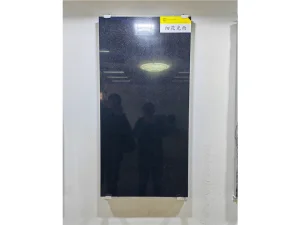
UL 752 Level 1–3 protection against small-arms threats for teller lines, drive-up windows, and executive boardrooms, integrated with non-spalling zero-injury interior laminates.
Diplomatic & Embassy Envelopes
High-threat EN 1063 BR6–BR7 and STANAG Level II transparent armor engineered to withstand continuous NATO 7.62×51mm AP rifle fire and localized explosive air blasts.
Luxury Retail & Museum Armor
Ultra-clear low-iron laminated panels matching forced-entry standards (ASTM F1233 / EN 356 P8B) with 99% UV attenuation to protect high-value assets and artifacts without optical color shifts.
Critical Data Infrastructure
Multifunctional transparent envelopes delivering combined EMP shielding, acoustic attenuation up to STC 52, and active perimeter physical breach deterrence.
Technical Roadmap: Next-Generation Transparent Armor Science
From monolithic float glass lamination to multi-axial ionoplast and nanostructured ceramic transparent armor.
Ionoplast Interlayer Systems (SentryGlas®)
Ionoplast polymers deliver 5 times the tear resistance and 100 times the rigidity of conventional PVB. Under ballistic shear loads, this prevents delamination, maintaining post-impact structural integrity even when both exterior glass plies fracture completely.
Glass-Clad Polycarbonate (GCP)
The optimum fusion of glass hardness (for initial projectile deformation and erosion) with ductile polycarbonate backing (for kinetic energy dissipation). This configuration achieves a 40% weight reduction compared to all-glass layups without sacrificing zero-spall safety.
Nanostructured & Ceramic Frontiers
Our ongoing R&D integrates transparent spinel (MgAl2O4) ceramics and electrochromic privacy layers directly into laminated bulletproof stacks, providing instant switchable opacity and superior multi-hit resistance against armor-piercing kinetic penetrators.
Engineering Whitepaper Insight: Kinetic energy absorption in high-velocity ballistic impact ($E_k = \frac{1}{2}mv^2$) requires alternating impedance matching. The strike-face glass layer blunts the projectile, the intermediate resin absorptive layers convert shockwaves into thermal deformation, and the rear spall-shield layer prevents fragmentation into safe-side interior zones.
International Ballistic Standards & Technical Matrix
Cross-referencing global ballistic classifications across UL 752, EN 1063, and NIJ 0108.01 for multi-jurisdictional architectural specifications.
| Rating Standard | Threat Weapon / Caliber | Ammunition Specification | Velocity (m/s) | Nominal Thickness (mm) | Spall Performance |
|---|---|---|---|---|---|
| UL 752 Level 1 | Handgun 9mm FMJ | 124 gr Lead Core (FMJ) | 358 m/s | 21 – 24 mm | No-Spall / Low-Spall Option |
| UL 752 Level 3 | .44 Magnum Revolver | 240 gr Lead Gas Check | 411 m/s | 38 – 42 mm | Non-Spalling Laminated Matrix |
| EN 1063 BR4 | .44 Magnum | 15.6 g Flat Nose Full Metal Jacket | 440 m/s | 40 – 45 mm | NS (No Splinters) Certified |
| UL 752 Level 8 | 7.62mm Military Rifle | 150 gr 7.62×51mm NATO Rifle (M80) | 838 m/s | 58 – 65 mm | Full Structural Polycarbonate |
| EN 1063 BR6 | 7.62×51mm NATO Rifle | 9.5 g Pointed Tip Full Steel/Lead Core | 830 m/s | 62 – 72 mm | Zero-Fragment Interior Seal |
| EN 1063 BR7 | 7.62×51mm Armor Piercing | 9.8 g Hard Core Penetrator (AP) | 820 m/s | 78 – 95 mm | NS Multi-Layer Glass/Ceramic Composite |
| STANAG 4569 L2 | 7.62×39mm API BZ | Armour Piercing Incendiary | 716 m/s | 85 – 110 mm | High Kinetic Absorption |
Integrated Envelope Defense: Harmonizing Bulletproof Glazing with Building Facades
A ballistic glazing panel is only as dependable as its supporting perimeter framework and surrounding envelope. True physical perimeter hardening requires an engineered synergy between the transparent armor, structurally anchored mullions, stainless steel glass clamping hardware, and reinforced natural stone cladding.
1. Glazing Pocket Depth & Edge Engagement Mechanics
Under ballistic or blast loading, glass panels experience massive dynamic edge rotation and deflection. If the edge bite (penetration into the frame) is insufficient, the entire panel will dislodge intact from the rebate—rendering ballistic ratings useless. Haichen Stone specifies a minimum edge engagement of 25mm to 35mm with high-durometer EPDM structural gaskets and continuous steel retention beads to secure transparent armor assemblies under high-intensity pressure shocks.
2. Multi-Threat Attenuation: Combining Granite Cladding with Bulletproof Glazing
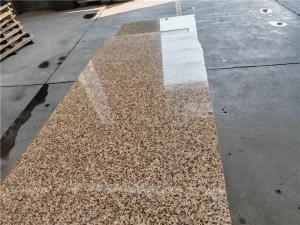
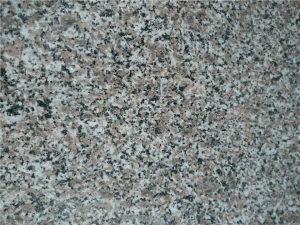
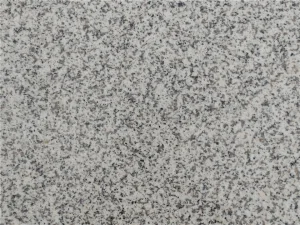
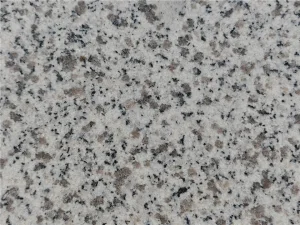
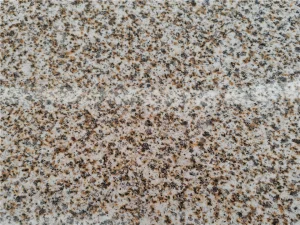
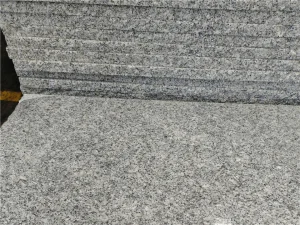
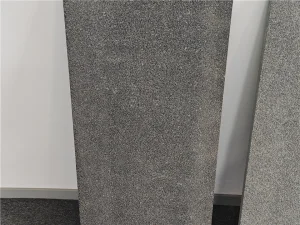
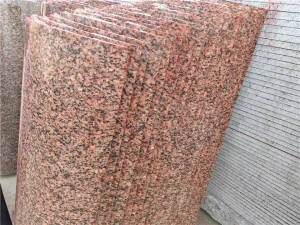
In high-security municipal buildings, diplomatic embassies, and luxury headquarters, architects integrate massive natural granite panels (such as G603, G654, and G3760 white granite) with bulletproof glazed fenestrations. Granite offers unparalleled density (≥2,560 kg/m³) and compressive strength (≥131 MPa), acting as an opaque ballistic and forced-entry shield that absorbs blast fragments, while transparent laminated glass ensures situational awareness without compromising physical protection.
3. Thermal Stress Control & Autoclave De-Airing Optimization
Multi-ply glass assemblies are prone to severe internal thermal stress due to differential solar absorption across alternating glass, polyurethane, and polycarbonate plies. Our manufacturing facilities employ computerized Class 1000 cleanroom environments, multi-stage vacuum de-airing rings, and customized high-pressure autoclave curing profiles (135°C at 1.2 MPa). This eliminates microscopic vapor pockets, ensuring optical clarity, zero delamination across 20-year lifespans, and resistance to environmental UV yellowing.
Localized Engineering, Testing Certifications & Supply Chain
End-to-end supply assurance from factory cutting and autoclaving to international port loading and job-site installation support.
Factory Production & Testing
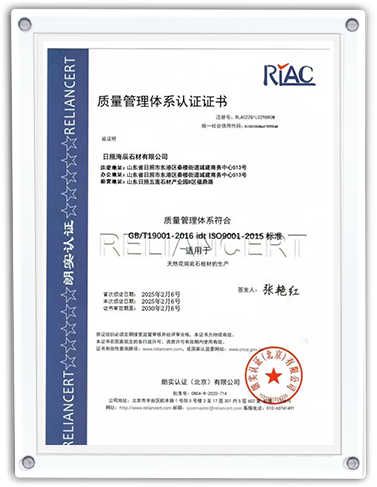
Every production batch undergoes live ballistic testing at accredited testing centers. Optical distortion is mapped with computerized zebra-board lasers to guarantee pristine sightlines.
Direct Coastal Logistics
Located in the Rizhao industrial corridor with direct access to Rizhao and Qingdao Ports, reducing internal transport vibration and handling damage prior to containerized sea freight.
Heavy-Duty Seaworthy Crating
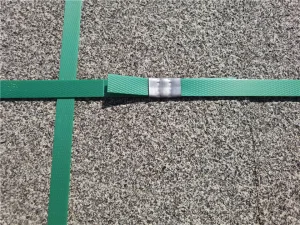
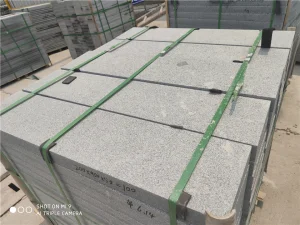
Panels are packed in fumigated, steel-banded wooden A-frames with moisture desiccant barriers and neoprene edge cushions to eliminate transit shock and micro-fissures.
Turnkey Engineering Support
We supply complete shop drawings, glass clamp fittings, steel sub-frames, and thermal expansion calculations for architects, general contractors, and facade consultants worldwide.
Bulletproof Glazing & Architectural Envelope Sourcing FAQ
Essential guidance for commercial specifiers, security directors, facade engineers, and procurement teams.
Integrated Envelope Sub-Structures & Heavy Facade Products
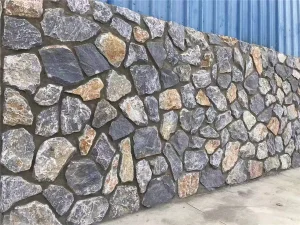
Combining heavy natural stone cladding, high-density paving, and specialized masonry to complement complete physical perimeter fortification.