
Direct Quarry & Manufacturing Supply
Featured Heavy-Duty Stone & Concrete Infrastructure Products
Explore our top-tier factory direct selections engineered for urban highways, commercial precincts, and industrial logistics facilities.

China G3743 Lu Grey Granite Building Stone
View Product Specs
Wholesale G684 Fuding Black Granite Kerbs & Paving
View Product Specs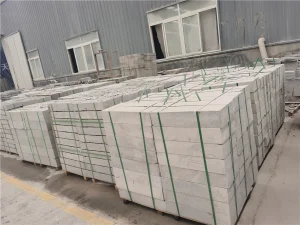
Wholesale Limestone & Granite Hybrid Drainage Elements
View Product Specs
Wholesale G3760 Shandong White Architectural Stone
View Product Specs
Wholesale G602 Sesame White High-Strength Kerbstones
View Product Specs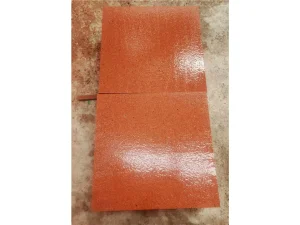
China Premium Chinese Red Heavy Infrastructure Blocks
View Product Specs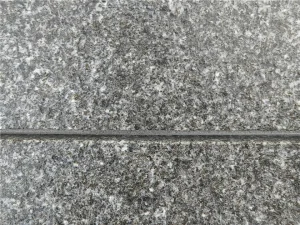
China G3701 Binzhou Blue Custom Drainage Channels
View Product Specs
Technical Whitepaper & Master Guide
Understanding Modern Integrated Concrete Kerb Drainage Engineering
An authoritative technical analysis on combining edge restraint and high-capacity linear stormwater intake into a singular precast hydraulic component.
In modern civil and municipal infrastructure, surface water management has evolved from simple point-drainage gulley networks toward highly efficient, integrated linear water management systems. Concrete Kerb Drainage—often engineered as a monolithic precast concrete kerb channel unit—represents the apex of this evolution. By combining the structural function of a roadside kerb barrier with a high-capacity continuous drainage channel inside a single precast concrete element, civil engineers can eliminate standing water, mitigate aquaplaning risks on high-speed roadways, and optimize hydraulic throughput without interrupting urban aesthetic contours.
Traditional drainage infrastructure relied on individual point gullies spaced at 10 to 20-meter intervals, connected via complex underground pipework. This legacy approach created structural weaknesses along road edges, required frequent point-load maintenance, and often resulted in localized flooding when debris clogged isolated grates. Integrated concrete kerb drainage channels solve these vulnerabilities by establishing a continuous intake slot along the entire curbline. Hydraulic runoff enters the channel immediately along its path, maintaining optimal surface friction for vehicular traffic while accelerating flow velocity inside smooth-cast internal channels.
Dual-Function Monolithic Design
Serves simultaneously as a vehicular edge restraint (barrier/mountable kerb) and a high-capacity continuous hydraulic transport channel conforming to EN 1433 load classifications.
Superior Hydraulic Velocity
Continuous intake slots provide up to 300% greater intake area compared to traditional gullies, rapidly clearing extreme stormwater events and preventing standing water accumulation.
Reduced Sub-Surface Pipework
Direct linear evacuation drastically cuts the need for extensive underground pipe networks, reducing trenching costs, utility clash risks, and municipal excavation footprints.
Key Engineering Specifications & Hydraulic Mechanics
Precast concrete kerb drainage units are manufactured using dense C40/50 to C60/75 mix concrete matrices or high-performance resin polymer concrete. Polymer concrete kerb systems offer near-zero porosity (<0.1% water absorption), extreme chemical resistance to de-icing salts and fuel spillage, and flexural strength exceeding 22 MPa. Heavy-duty precast concrete units utilize high-frequency vibration compaction and synthetic fiber reinforcement to sustain wheel loads up to EN 1433 Class F900 (90 tonnes test load), making them suitable for container ports and military airfields.
F900
Max Load Capacity
<0.1%
Water Absorption
50+
Service Life Years
40%
Pipework Cost Reduction
Manufacturing Supremacy
Why Source Concrete Kerb Drainage from China OEM/ODM Manufacturers?
Combining vast raw material integration, automated high-frequency compaction moulding, and cost leadership for global mega-infrastructure procurement.
Advanced Automated Moulding & Compaction
Chinese direct-factory suppliers utilize multi-axis automated block machines equipped with vertical high-frequency vibration and hydraulic pressing (over 200 bar). This ultra-dense compaction eliminates micro-voids, delivering precast concrete kerbs with compressive strength exceeding 60 MPa and freeze-thaw resistance tested to 200 cycles (F200 standard).
Quarry-Direct Material Integration
Our manufacturing plants in Shandong and key stone industrial hubs maintain direct supply lines to high-silica sand deposits, basalt aggregates, and premium natural granite quarries. This raw material synergy ensures consistent color matching, structural density, and uncompromised ingredient purity across multi-thousand-meter project batches.
Custom Tooling & Precision CNC Mold Fabrication
Global infrastructure contracts require custom profiles—ranging from British Standard (BS EN 1340) half-batter and bullnose profiles to Dutch profile bus-stop kerbs (Kassel Kerb) and radius units. Chinese manufacturers provide in-house CNC mold fabrication within 7 to 10 days, allowing rapid prototyping and custom cross-section production.
Unrivaled Production Capacity & B2B Economies of Scale
Operating multi-line continuous production facilities enables output exceeding 5,000 linear meters of kerb drainage units daily. Economies of scale allow B2B buyers, municipal contractors, and global importers to save up to 35-50% on unit material costs compared to European or North American domestic producers.
Civil Engineering Integration
Macro Industry Solutions: Hydraulic Engineering & Climate Resilience
How integrated kerb drainage solves urban flooding, enhances vehicular safety, and underpins Sustainable Urban Drainage Systems (SuDS).
As global urban landscapes face increasingly severe storm events driven by climate volatility, municipal engineers must transition from passive drainage designs to active, climate-resilient water management frameworks. Integrated concrete kerb drainage systems are a cornerstone of Water Sensitive Urban Design (WSUD) and SuDS mandates worldwide.
1. Hydraulic Runoff & Manning’s Equation Optimization
The hydraulic performance of a kerb channel is governed by the modified Manning’s equation for open channel flow:
Q = (1 / n) * A * R^(2/3) * S^(1/2)
Where Q is the flow rate (m³/s), n is the Manning roughness coefficient (0.011 for ultra-smooth precast concrete vs 0.015 for cast-in-place asphalt), A is the cross-sectional area, R is the hydraulic radius, and S is the longitudinal slope. By providing a smooth, hydraulically optimized internal bore, concrete kerb channels maintain self-cleansing flow velocities (typically >0.75 m/s) even at minimal gradient slopes (0.2%), preventing silt sedimentation and debris blockage.
2. Highway Aquaplaning Mitigation & Traffic Safety
Water sheet accumulation on expressways creates extreme risks of dynamic aquaplaning, where tires lose contact with the road surface at speeds as low as 70 km/h. Monolithic concrete slot kerb drainage channels continuously capture lateral sheet flow along the road shoulder before it encroaches onto active travel lanes. This immediate continuous interception ensures dry wheel paths, increases surface skid resistance (BPN values), and enhances highway safety during torrential downpours.
| Performance Metric | Standard Precast Concrete | Polymer Concrete Kerb Channel | Natural Stone Kerb Drain |
|---|---|---|---|
| Compressive Strength | ≥ 50 MPa (C50/60) | ≥ 95 MPa | ≥ 120 MPa (Granite Base) |
| Flexural Strength | ≥ 6.0 MPa | ≥ 22.0 MPa | ≥ 15.0 MPa |
| Water Absorption | < 3.5% | < 0.1% | < 0.3% |
| EN 1433 Load Classes | Class C250 to D400 | Class D400 to F900 | Class D400 to F900 |
| Freeze-Thaw Resistance | F100 Cycles | F300+ Cycles (Salt Resistant) | F200+ Cycles |
| Manning Roughness (n) | 0.012 | 0.009 (Ultra Smooth) | 0.011 |
Future Outlook
Emerging Trends in Global Concrete Kerb Drainage Technology
How next-generation materials, smart IoT sensors, and circular economy principles are reshaping urban stormwater design.
1. Ultra-High Performance Concrete (UHPC)
Transitioning from traditional C50 concrete to UHPC matrices integrated with alkali-resistant glass fibers or micro-steel fibers. UHPC kerbs feature wall thickness reductions of 40% while maintaining F900 loading capabilities, reducing freight mass and carbon shipping footprints.
2. Smart IoT Debris & Level Monitoring
Integration of low-power ultrasonic sensors inside outfall silt boxes. Smart kerb systems transmit real-time water level data and sediment blockage warnings directly to municipal public works digital twin dashboards via NB-IoT network protocols.
3. Low-Carbon Geopolymer Aggregates
Replacing Portland cement binder with alkali-activated fly ash and blast furnace slag (geopolymers). Low-carbon concrete kerbs lower embedded CO2 emissions by up to 70%, helping infrastructure projects earn LEED and BREEAM sustainability credits.
4. BIM & Digital Twin Object Libraries
Leading suppliers now provide parametric 3D BIM objects (Revit, IFC formats) with embedded hydraulic metadata, simplifying alignment calculations and automated clash detection for civil engineering project specifiers.
Deployment Scenarios
Localized Application Scenarios & Real-World Use Cases
Tailored structural profiles and load-bearing designs engineered for diverse municipal, industrial, and transport environments.
Expressways & High-Speed Highways
Load Class: EN 1433 D400 to E600
Profile: Two-piece or Monolithic Half-Batter Kerb.
Prevents dangerous hydroplaning by rapidly evacuating surface runoff across wide multi-lane carriageways while providing structural impact resistance against heavy commercial vehicles.
Urban Arterials & Bus Rapid Transit (BRT)
Load Class: EN 1433 D400
Profile: Kassel Kerb / Splayed Bus Stop Profile.
Features smooth concave profiles engineered to guide bus tires flush against the platform edge for level wheelchair boarding while seamlessly capturing rainfall at bus shelters and platform bays.
Container Ports & Freight Logistics Terminals
Load Class: EN 1433 F900 (900 kN)
Profile: Heavy Monolithic Reinforced Block.
Engineered specifically to endure continuous point loads and severe dynamic shearing forces exerted by reach stackers, heavy straddle carriers, and 90-tonne laden container trucks.
Airport Aprons & Aircraft Taxiways
Load Class: EN 1433 F900
Profile: Flush Slot Kerb Channel.
Provides continuous surface drainage across massive tarmac expanses without loose metal grates, eliminating foreign object damage (FOD) risks to jet engines.
Commercial Plazas & Pedestrian Precincts
Load Class: EN 1433 C250 to D400
Profile: Architectural Natural Stone / Textured Concrete.
Blends discrete narrow slot inlets with high-end paved pedestrian zones, maintaining architectural continuity while fulfilling stringent municipal flood prevention mandates.
Industrial Car Parks & Retail Logistics Hubs
Load Class: EN 1433 D400
Profile: Integrated One-Piece Curb Channel.
Optimized for high-volume parking lots where rapid surface water clearing prevents shopper foot-splash and reduces long-term sub-base water saturation and asphalt degradation.
International Procurement Playbook
Global B2B Sourcing, Quality Assurance & Shipping Logistics
A complete roadmap for EPC contractors, importers, and municipal buyers sourcing heavy precast drainage elements.
Importing precast concrete kerb drainage systems requires precise coordination regarding weight distribution, international packaging compliance, and certified quality control protocols. Below is our standardized factory-to-site supply chain matrix:
1. Factory Quality Control Testing Protocols
- Dimensional Tolerance Inspection: Length, width, and invert height verified within ±1.5 mm using automated laser measurement jigs.
- Load Capacity Certification: Batch sample testing according to EN 1433 standards using hydraulic press rigs up to 900 kN force.
- Water Permeability & Absorption: Vacuum absorption testing ensuring <3% mass increase after 24-hour immersion.
- Dry-Lay Assembly Verification: Pre-shipment dry alignment test verifying tongue-and-groove joint fitment and sealant recess integrity.
2. Heavy Export Packaging & Containerization
- Steel-Strapped Fumigated Wooden Pallets: Units are stacked with rubber corner protectors and secured with heavy-duty PET strapping.
- Moisture Barrier Shrink Wrapping: Full UV-resistant plastic wrapping shields precast elements from salt-air corrosion during ocean transit.
- Container Payload Optimization: Heavy concrete products hit 26-28 tonne container payload caps quickly; units are optimized per 20ft heavy-duty sea container to maximize linear meter yield per freight dollar.
- Incoterms Supported: FOB Qingdao / Rizhao, CIF, CFR, DDP (Delivered Duty Paid) to site.
Global Product Portfolio
Comprehensive Natural Stone & Precast Kerb Drainage Selections
Select from our specialized series of granite, limestone, and custom fabricated linear kerb drainage components.
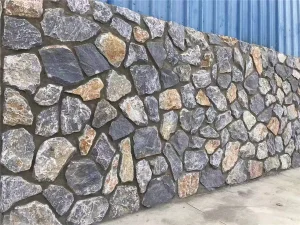
Wholesale Chinese Culture Heritage Granite Channels
View Product Specs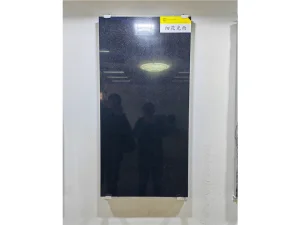
China G3401 Shanxi Black Heavy Duty Kerb Elements
View Product Specs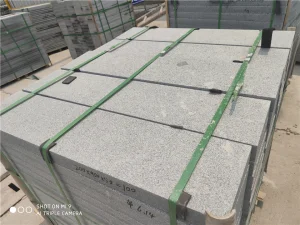
China G654 Sesame Grey Flamed Drainage Kerbstones
View Product Specs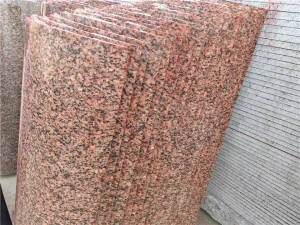
Wholesale G352 General Red Structural Stone Elements
View Product Specs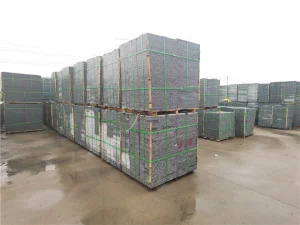
China G3702 Snowflake Blue Architectural Drainage Stone
View Product Specs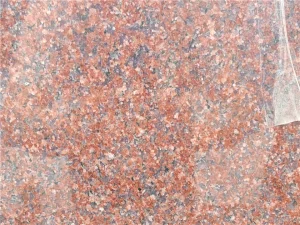
Wholesale G386 Shidiao Red Heavy Duty Kerbstones
View Product Specs
China G614 Sesame Grey Municipal Channel Units
View Product Specs
Wholesale G682 Yellow Rust Decorative Kerb Channels
View Product Specs
B2B Procurement Knowledge Base
Frequently Asked Questions (FAQ) on Concrete Kerb Drainage Sourcing
Get expert answers to critical civil engineering, manufacturing tolerance, and bulk purchasing inquiries.
What is the difference between monolithic and two-piece concrete kerb drainage systems?
Monolithic concrete kerb drainage units are cast as a single continuous block containing both the roadside kerb face and the internal hydraulic channel. This eliminates loose top grates or joint separation under heavy vehicle impact (ideal for EN 1433 Load Classes D400 to F900). Two-piece systems consist of a bottom channel base combined with a separate top kerb lid. While two-piece units offer easier access for manual silt cleaning, monolithic units provide vastly superior structural integrity and resistance against shear stress in high-traffic zones.
Which EN 1433 load class should I specify for my civil infrastructure project?
EN 1433 load classifications define the structural strength required based on application:
- Class D400 (400 kN / ~40 tonnes): Standard for highway shoulders, municipal arterial roads, public parking spaces, and commercial precincts.
- Class E600 (600 kN / ~60 tonnes): Required for industrial estates, heavy logistics hubs, fuel stations, and high-frequency freight corridors.
- Class F900 (900 kN / ~90 tonnes): Mandatory for container ports, dockyards, military facilities, and airport aprons/taxiways subjected to extreme wheel loads.
How are radius kerb channels manufactured for curved road bends and roundabout junctions?
Radius units (both concave and convex) are fabricated using specialized modular molds or 5-axis CNC diamond wire profiling machines. We supply standard external and internal radii ranging from 1.0 meter to 12.0 meters. For custom road curves, our engineering team works directly from contractor CAD/BIM drawings to supply pre-numbered radius units that fit exact site curvature without requiring on-site wet cutting.
What are the lead times for custom OEM mold creation and ocean export shipping?
Custom mold engineering and sample sign-off typically require 7 to 12 days. Full-scale mass production runs at 2,000 to 5,000 linear meters per week depending on section profile complexity. Ocean transit from our nearby port facilities (Qingdao/Rizhao) ranges from 14 to 18 days to Southeast Asia/Middle East, 25 to 30 days to Europe, and 20 to 28 days to North American ports.
How do precast concrete kerbs handle freeze-thaw cycles and chemical de-icing salts?
Our concrete mix designs incorporate micro-air-entrainers and silica fume additives that create controlled microscopic void networks. This allows trapped moisture to expand during freezing without inducing micro-cracking or surface scaling. Tested to ASTM C666 / EN 1339 protocols, our precast products maintain structural integrity over 200 severe freeze-thaw cycles in concentrated sodium chloride (de-icing salt) solutions.
Can you provide third-party factory audits and certified test reports before shipment?
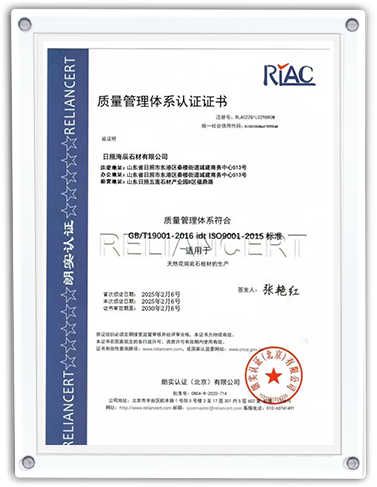
Yes. We routinely host third-party inspection agencies such as SGS, TÜV Rheinland, Bureau Veritas, and Intertek at our production facilities. Mill test certificates (MTC), CE marking documentation, ISO 9001:2015 quality compliance reports, and full EN 1433 type-test certificates are provided with every export shipment batch.
Partner with China’s Leading Kerb Drainage Manufacturer
Request technical datasheets, CAD/BIM object files, custom mold evaluations, or direct factory wholesale price quotes for your upcoming civil project.
Request Wholesale Quote & Engineering Consultation