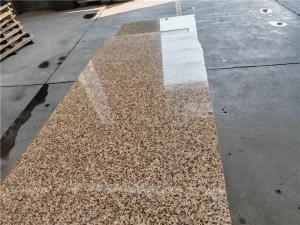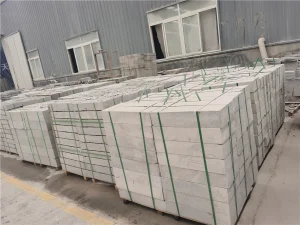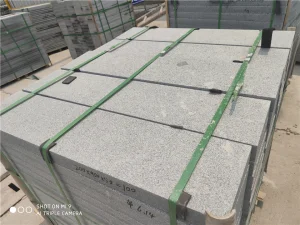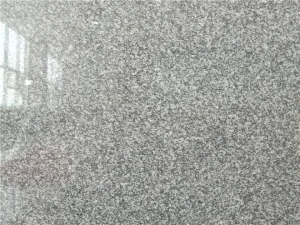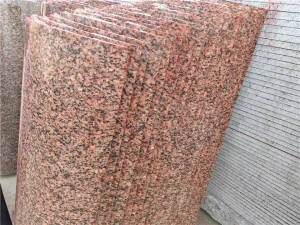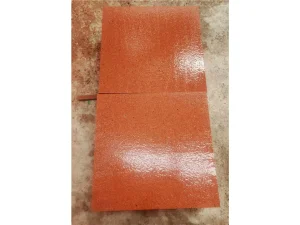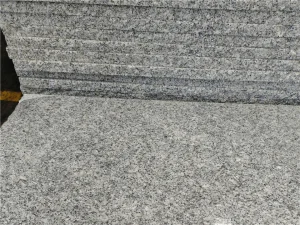
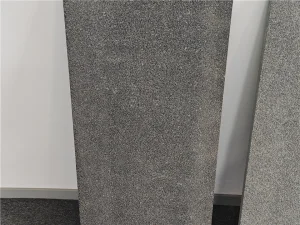
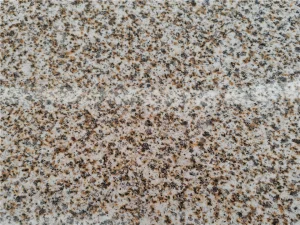
Wholesale G684 Fuding Black Granite Factories, Factory
Procurement Inquiries
Direct factory-calibrated natural granite veneers, cultured ledger panels, and cut-to-size cladding elements tailored for global distributors, multi-unit developers, and commercial contractors.
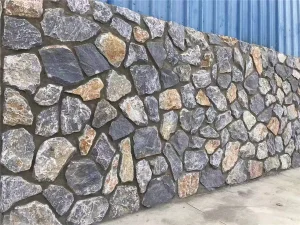
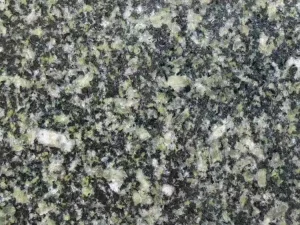
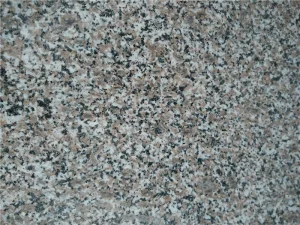
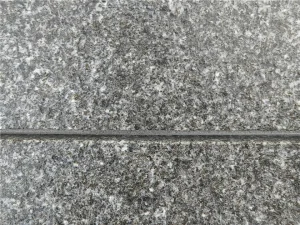
In modern architectural facades and interior landscapes, structural weight thresholds, strict thermal envelope codes (ASHRAE 90.1 / Title 24), and seismic load distribution have transformed how specifiers deploy exterior stone claddings.
Full-bed dimensional stone (4–6 inches thick) demands heavy continuous foundations, reinforced shelf angles, and oversized structural footings. Cultured stacked stone and lightweight veneer panels reduce system dead-load by up to 65%, eliminating auxiliary structural engineering costs in mid-rise and high-density timber frame buildings.
Tier-one global building codes—such as ASTM C1670 (Adhered Manufactured Stone Masonry Veneer) and ASTM C568/C615 for crystalline granite veneer—enforce rigorous compressive strength, water absorption limits, and freeze-thaw endurance (>50 cycles). High-precision manufactured stacking profiles guarantee strict unit consistency across massive commercial developments.
Skilled masonry labor shortages worldwide represent up to 55% of exterior envelope budgets. Mechanically interlocked or interlocking modular cultured ledger units cut on-site laying time from 15 sq.ft per man-hour down to less than 40 sq.ft per man-hour, significantly curbing critical path project delays in hotel chains, municipal centers, and residential schemes.
How Shandong’s stone industrial corridor combines self-owned quarry reserves, computerized multi-blade sawing clusters, and integrated deep-water port access to achieve unmatched procurement stability.
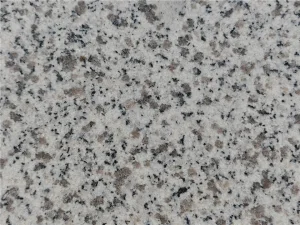
By managing proprietary extraction rights across key regional formations like Shandong White Granite (G3760), Sesame Grey (G654), and Sesame White (G602/G603), Haichen Stone ensures multi-phase architectural projects maintain chromatic and granitic uniformities, entirely bypassing spot-market raw block volatility.
Haichen’s workshop leverages automated multi-blade block cutters, computerized infrared bridge slicing, and continuous surface calibration machines. Dimensional tolerances are held within ±1.0 mm, guaranteeing crisp edge alignments for dry-stack cultured ledger panels and split-face veneers alike.
Positioned immediately adjacent to the deep-water facilities of Rizhao Port and Qingdao Port, inland transit friction is minimized. Containerized shipments packed in heat-treated, fumigated seaworthy crates (ISPM 15 certified) cut outbound drayage costs by roughly 30% compared to inland facilities.
From freezing North American freeze-thaw cycles to humid tropical coastlines, cultured and natural stacked stone formulations must be matched strictly to environmental exposure and architectural typologies.
When cultured stacked stones or thin granite veneers are integrated with open-joint ventilated rainscreen clips or polymer-modified thin-bed mortars (ANSI A118.15), building assemblies facilitate vapor release, preventing interstitial moisture entrapment and efflorescence across expansive corporate facades, universities, and health centers.
With non-combustible ratings (Class A / ASTM E84 test protocols), cultured stacked ledger stones withstand significant thermal cycling without spalling or resin degradation. This makes them the primary specification for dramatic full-height indoor fireplaces, outdoor cooking verandas, and luxury chimney skins.
Resort amenity walls, spillways, and terraced exterior landscaping demand extreme resistance to continuous spray and chloride atmospheres. Split-face granite panels and cultured ledger veneers with density ratings ≥2,560 kg/m³ prevent sub-surface salt crystallization, ensuring long aesthetic lifespans.
Retail flagships and boutique entrances require rich, three-dimensional shadow lines under ambient and accent lighting. Cultured stacked stone panels offer textured, rugged depth that conceals wall imperfections while standing up to high foot-traffic wear and abrasion.
Where raw material sciences, digital fabrication, and international green building guidelines (LEED v4.1 & BREEAM) are moving the manufactured veneer sector.
Next-generation cultured stones substitute up to 40% of traditional Portland cement with industrial fly ash, blast-furnace slag, and calcined clays. This innovation drastically reduces embodied carbon (kg CO₂e/m²) while elevating internal sulfate resistance across demanding industrial environments.
Contractors increasingly reject piece-by-piece wet trowel applications on large commercial builds. The trend shifts toward factory-assembled 600×150 mm or 1200×300 mm back-meshed, resin-pinned, or mechanical bracket-ready panels that drop directly into standard curtain-wall subframes.
By leveraging sub-millimeter LiDAR scanning of rare geologic clefts and historical masonry, high-durability silicone elastomeric molds accurately recreate natural striations without obvious visual pattern repeats across expansive wall elevations.
International stone importers, tier-one general contractors, and landscape architects utilize disciplined qualification rubrics when auditing Chinese manufacturing partners.
Precision calibration is non-negotiable. Leading tier-1 buyers require thickness tolerances capped at ±1.5 mm and squareness tolerances within 0.5%. This guarantees clean stacking without uneven lippage during dry-stack mortarless installations.
For natural granite veneers and stone agates, iron oxidation (rust bleed) represents a frequent failure risk. Haichen tests all quarry batches via chemical XRF assay to verify low free-iron content, preventing unsightly discoloration following rainwater exposure.
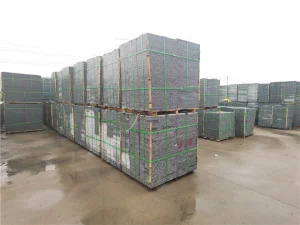
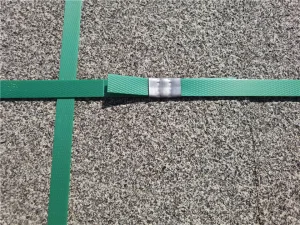
Standard crates frequently split during long-haul ocean voyages. Enterprise packaging demands solid hardwood crates secured with hot-dipped galvanized corner brackets, polyethylene vapor barriers, and interior polystyrene cushioning rated for heavy multi-ton forklift transshipment.
Direct answers to pressing technical, logistics, and material composition queries posed by architects, project quantity surveyors, and international distributors.
Engineered for public realm paving, exterior envelope cladding, and commercial facades with direct origin pricing and quality verification.