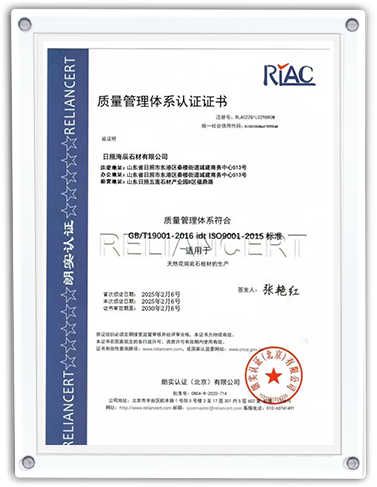
Featured Industrial & Material Fabrication Inventory
Discover our primary selection of foundational structural stone, silica mineral assets, and architectural components manufactured direct from factory sources under rigorous dimensional tolerances.
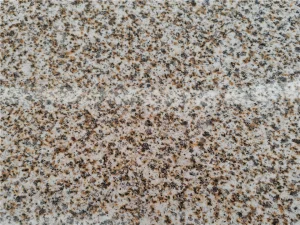
Wholesale G682 Yellow Rust Granite for Paving Suppliers, Factories
View Product Specs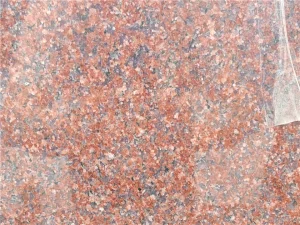
Wholesale G386 Shidiao Red Granite Tiles Manufacturers, Suppliers
View Product Specs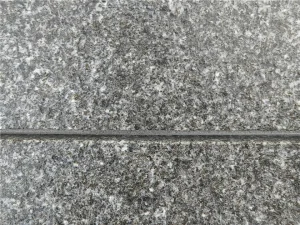
China G3701 Binzhou Blue Granite Suppliers, Factory
View Product Specs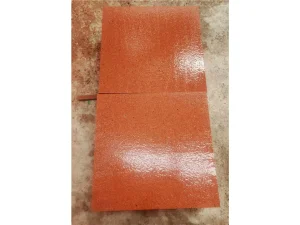
China Premium Chinese Red Granite Blocks Supplier, Suppliers
View Product Specs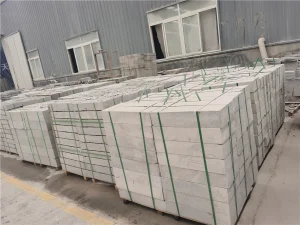
Wholesale Limestone Granite: Nature's Dual Gift Manufacturer, Factory
View Product Specs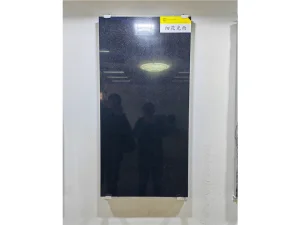
China G3401 Shanxi Black Granite Manufacturer, Factory
View Product Specs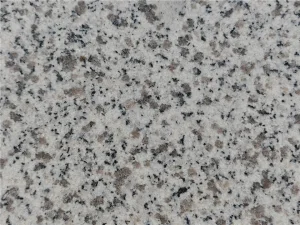
Wholesale G3760 Shandong White Marble Granite Manufacturers, Suppliers
View Product Specs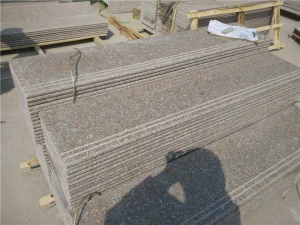
Wholesale G368 Wulian Red Granite Paving Stones Supplier, Suppliers
View Product SpecsGlobal Procurement Analysis: Engineering Laminated Automotive Glazing for Modern Mobility
The contemporary automotive supply chain is navigating an architectural paradigm shift. As electric vehicles (EVs), connected autonomous vehicles (CAVs), and aerodynamically optimized cabins dominate OEM roadmaps, the technical demands placed on wholesale laminated glass manufacturers have evolved exponentially beyond basic passive passenger containment.
Structural Integrity & Torsional Rigidity
Modern vehicle architectures incorporate laminated glass not merely as transparent infill, but as a primary structural shear panel. In electric crossover and sedan configurations featuring panoramic lamination envelopes, laminated windscreens and roof modules contribute up to 30% of total vehicular roof-crush resistance under FMVSS 216a standards, necessitating pristine interlayer adhesion and high-modulus viscoelastic bonding.
NVH Acoustic Attenuation Chemistry
The elimination of internal combustion engine masking noise in battery electric vehicles (BEVs) exposes cabin occupants to high-frequency aerodynamic buffet and tire-pavement friction. Utilizing custom acoustic Polyvinyl Butyral (aPVB) tri-layer interlayers with optimized glass-transition damping zones (ΔTg between 15°C and 35°C), our lamination assemblies deliver an ambient noise reduction of 3.5 to 5.2 dB across the critical 1,000–4,000 Hz human vocal perception band.
Optical Clarity & ADAS Alignment
Level 2+ and Level 3 Advanced Driver Assistance Systems (ADAS) mount forward-facing stereoscopic cameras, LiDAR units, and rain/light arrays directly against the inner windshield lite. Autoclave cycles must guarantee zero optical aberration, transmitted distortion indices <0.1 diopters, and wedge PVB taper tolerances calibrated to ±0.02 mrad to eliminate secondary ghost images on Heads-Up Displays (HUD).
B2B Sourcing Engineering: Mitigating Supply Fragility in High-Volume Fabrication
Procurement officers managing automotive glass supply agreements encounter complex headwinds: float glass price volatility, interlayer micro-contamination, freight logistics fragmentation, and long-tail qualification cycles. Our manufacturing framework mitigates these systemic liabilities.
Dual-Port Freight Logistics Integration
Strategically situated near Rizhao Port and Qingdao Port, our logistics operations bypass inland transshipment bottlenecks. Factory-to-quay container handling reduces transit vibration, lowers FOB/CIF shipping expenses by up to 30%, and secures direct vessel bookings to European, North American, and Southeast Asian receiving terminals.
Comprehensive Float-to-Autoclave Traceability
Every production lot begins with ultra-clear low-iron float glass formulated without micro-inclusions or sulfur-nickel stones. Cleanroom climate control (Class 1,000 PVB staging areas with 20°C ± 2°C and relative humidity <28%) prevents particulate entrapment, virtually eliminating optical hazing and bubble formation during 13.5 bar autoclave runs.
Economies of Scale & Custom Tooling
From high-volume runs exceeding 50,000 units per month to low-volume specialty bus, rail, and recreational vehicle batches, our modular gravity and press-bending furnaces utilize CNC-machined ceramic tooling. This agile tooling infrastructure shortens lead times for new part numbers (NPI) from 16 weeks down to 28 working days.
Material Architecture: Interlayer Chemistry, Solar Rejection & Mechanical Matrix
Laminated safety glass performance relies upon the microscopic molecular bond between soda-lime silicate sheets and polymeric inner cores. Below is a comparative matrix of our structural interlayers calibrated for original equipment and replacement markets.
| Interlayer Technology | Polymer Base | Nominal Thickness | UV Rejection (%) | Direct Solar Heat Rejection (Tts) | Key OEM Application |
|---|---|---|---|---|---|
| Standard Safety PVB | Polyvinyl Butyral | 0.76 mm (0.030") | >99.0% | Baseline ~18% | Standard Windscreens, Mass-Market Side Lites |
| Acoustic Tri-Layer aPVB | Viscoelastic Core + PVB skins | 0.81 mm – 0.84 mm | >99.5% | Enhanced ~26% | EV Windscreens, Acoustic Front Door Glass |
| Solar-Reflective Infrared PVB | IR-Absorptive Nanoparticle PVB | 0.76 mm – 1.14 mm | >99.9% | Up to 48% Rejection | Panoramic Roofs, Tropical Market Fleet Windscreens |
| Heads-Up Display Wedge PVB | Angular Precision Tapered PVB | 0.76 mm to 1.20 mm | >99.2% | Varies by Tint | Augmented Reality HUD Assemblies (<0.1 mrad ghosting) |
| Structural Ionomer (SGP Equivalent) | Ethylene / Methacrylic Acid Copolymer | 0.89 mm – 1.52 mm | >99.0% | Standard | Armored Military Glass, High-Speed Locomotive Cabs |
| Electrochromic Smart PDLC / SPD | Liquid Crystal / Suspended Particle Film | 1.14 mm total stack | >98.5% | Variable (10% to 65%) | Switchable Privacy & Light-Control Sunroofs |
Engineering Note on Thin-Glass Lamination:
In compliance with next-generation CAFE and WLTP fuel/energy consumption benchmarks, our advanced lines support asymmetric hybrid laminations: 2.1 mm outer float combined with 1.1 mm or 0.7 mm chemically strengthened inner aluminosilicate glass (Corning Gorilla or equivalent). This configuration reduces total glass mass by 28% without sacrificing gravel projectile fracture resistance.
Holistic Industrial Capabilities: Quarry Reserves, Structural Fittings & Glazing Support
Behind every tier of our advanced lamination technology lies a mature industrial foundation spanning quarry mineral processing, stainless steel structural clamp fixtures, and door/window enclosure systems. This integrated materials footprint equips global project developers with singular-source procurement reliability.
Quarry-Direct Mineral Extraction
Operating verified quarry reserves in Shandong Province, we extract and calibrate G602, G603, G3760, and distinctive granite blocks. This mineral asset base guarantees total color and grain stability across multi-phase civic infrastructure, municipal plazas, and commercial complexes.
CNC Dimensional Fabrication
Modern workshops featuring high-tonnage bridge saws, multi-axis automated edge polishers, and calibration lines enhance output velocity by 50%. Standardized cut-to-size pavers, kerbstones, and complex curved moldings adhere to ASTM C615 and EN 1341 engineering tolerances.
Glass Clamp & Architectural Hardware
Complementing our laminated glazing lines, we supply 316-grade stainless steel glass clamp systems, spider fittings, and curtain wall anchoring channels. These hardware suites enable frameless balustrade and structural facade integration under unified QC accountability.
Pre-Engineered Steel Frameworks
Heavy-duty structural steel profiles and thermally isolated door and window systems fulfill comprehensive building envelope packages, allowing engineering contractors to consolidate multiple construction scopes under a singular vetted export bill of lading.
International Automotive Glazing Certification & Testing Protocols
Laminated automotive glass is subject to critical life-safety homologations. Every production batch is certified against rigorous international benchmarks, guaranteeing complete legal compliance and zero border-clearance friction.
ECE Regulation 43 (UN/ECE R43)
Mandatory for European and international homologation, our laminated glass passes intensive 227g steel ball drop tests at -20°C and +40°C, 2,260g headform impact simulation, high-velocity abrasion testing (Taber Abraser <2% haze increase after 1,000 cycles), and 100-hour boil tests without interlayer separation.
DOT FMVSS 205 / ANSI Z26.1
Fully compliant with United States Department of Transportation regulations for AS1 laminated windshield placement. Verified luminous transmittance exceeds 70%, accompanied by critical chemical resistance checks against wiper fluids, fuels, and cabin cleaning detergents.
IATF 16949 / ISO 9001 Integration
Our quality management ecosystem incorporates statistical process control (SPC), Failure Mode and Effects Analysis (FMEA), and Advanced Product Quality Planning (APQP) across every station, from furnace raw float score-and-snap to final cleanroom autoclaving.
Frequently Asked Questions for Fleet & OEM Glazing Buyers
Detailed answers regarding technical specifications, minimum order quantities (MOQ), custom tooling, and supply chain logistics for B2B procurement teams.
Engineered Architectural & Dimensional Stone Inventory
Browse our secondary selection of certified architectural stone, facade panels, and custom-ordered mineral specifications manufactured with precision cutting and edge treatments.
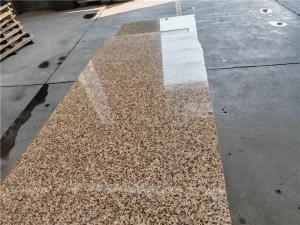
China A1684 Golden Hemp Granite Countertops Manufacturer, Factories
View Product Specs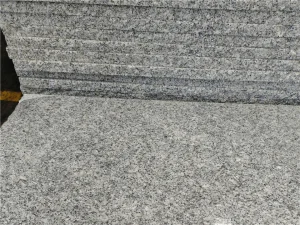
Wholesale G602 Sesame White Granite Manufacturer, Supplier
View Product Specs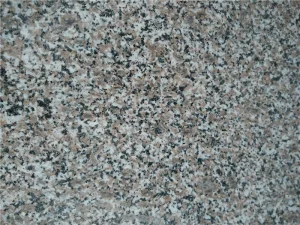
China Other Colours Granite – Custom Orders Manufacturers, Factories
View Product Specs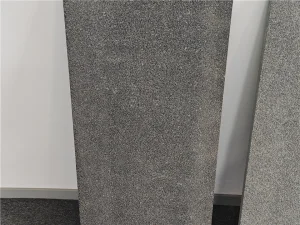
Wholesale G684 Fuding Black Granite Factories, Factory
View Product Specs
China G3743 Lu Grey Granite Building Stone Manufacturer, Factories
View Product Specs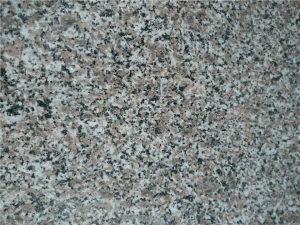
China G6361 Wulianhua Granite for Landscaping Manufacturer, Factories
View Product Specs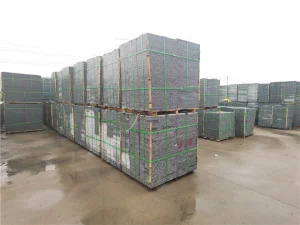
China G3702 Snowflake Blue Granite Manufacturers, Supplier
View Product Specs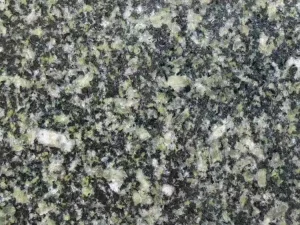
China G4101 Forest Green Granite Veneer Panels Supplier, Factories
View Product SpecsAccelerate Your Fleet Glazing & Mineral Procurement Pipeline
Connect with our engineering desk at Shandong Rizhao Stone Industrial Park. Submit your CAD/IGES drawing packages, technical BOM requirements, or material schedules for transparent ex-factory pricing, homologation data sheets, and expedited sample tooling.