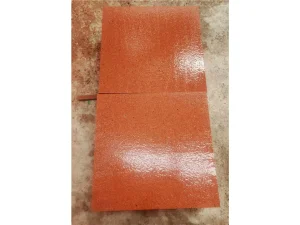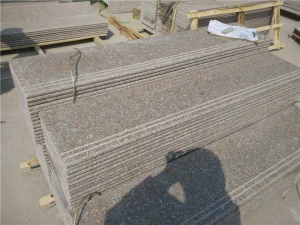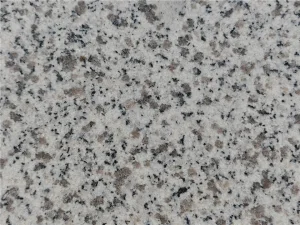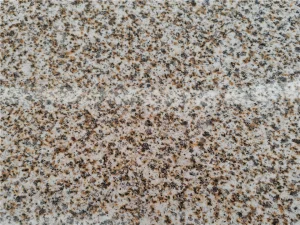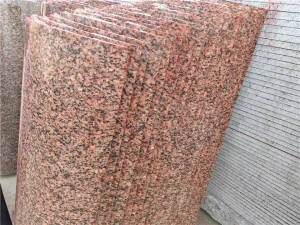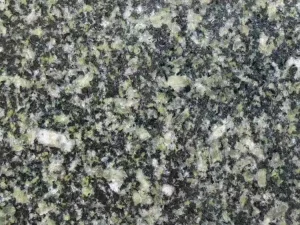
Direct Factory Showcase: Series 01
Direct supply line engineered for heavy facade framing, modular curtain wall installations, and structural commercial envelopes.
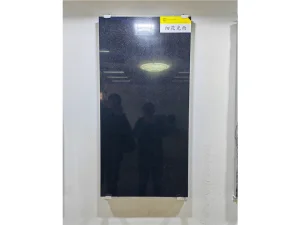

Enterprise Procurement Frameworks: Laminated vs. Tempered Glass
Strategic deployment analysis for global EPC contractors, facade engineers, and tier-1 procurement managers addressing safety regulations, post-breakage resilience, and seismic compliance.
Structural Anti-Fall & Overhead Safety
Laminated architectural glass incorporates high-shear PVB or SentryGlas (SGP) ionoplast interlayers. Upon mechanical impact or glass fracture, the elastomeric interlayer maintains structural continuity, preventing deadly glass drop hazards in overhead canopies and balustrades.
High-Load Thermal Toughening
Fully tempered glass undergoes thermal tempering heating cycles reaching 620°C followed by high-pressure pneumatic quenching. This develops surface compressive stress above 69 MPa (10,000 psi), offering 4 to 5 times the mechanical shock resistance of conventional float glass.
Acoustic & Hurricane Mitigation
Multi-layered PVB acoustic laminates decouple sound wave frequencies, attenuating external airborne noise by up to 39-44 dB Rw. In severe tropical windstorm regions, multi-ply SGP composite glass resists cyclic pressures exceeding 7.0 kPa without frame detachment.
Curtain Wall System Consolidation
Procuring consolidated assemblies involving tempered outer panes, low-E coatings, argon-filled spacers, and laminated interior safety panes minimizes multi-vendor risk, ensuring seamless thermal bridging performance and tight curtain wall frame clearances.
Advanced Engineering Roadmaps: 2026 and Beyond
Pioneering manufacturing practices, digital stress scanning, and composite glazing systems designed to meet ultra-low energy targets and stringent global carbon criteria.
Online Optical Anisotropy Scanning
Eliminating polarization coloration and visual distortion (iridescence) via algorithmic furnace heating. Automated photoelastic scanners monitor roller-wave deformation and edge dip, maintaining distortion parameters below 0.05 mm across large panels.
BIPV Architectural Integration
Combining monolithic toughened front plates with structural resin encapsulants to embed thin-film and crystalline PV solar arrays directly into laminated building spandrels, turning high-rise envelopes into power-generating passive assets.
Vacuum-Insulated Laminated Composites
Hybrid assemblies coupling a high-performance tempered laminated inner pane with a hermetically sealed vacuum glass unit (VIG). This configuration delivers center-of-glass thermal insulation approaching continuous masonry walls (U-values below 0.60 W/m²K).
Intumescent Fire-Resistive Laminates
Advanced interlayers utilizing inorganic transparent intumescent polymer hydrogels that foam into an opaque insulating shield upon thermal exposure, providing EI 30 to EI 120 integrity and thermal containment during fires.
| Performance Indicator | Monolithic Tempered Glass | Standard PVB Laminated Glass | Structural SGP Ionoplast Laminated |
|---|---|---|---|
| Mechanical Shock Strength | 4 - 5x Annealed Float Glass | 1 - 2x Annealed (Depends on Plies) | 5x Annealed + High Rigidity Composite |
| Post-Breakage Structural Integrity | None (Granulates into Small Dice) | Flexible Membrane (Prone to Collapse) | Rigid Membrane (Retains Vertical Stance) |
| UV Radiation Blocking Rate | ≤ 25% Filtration | ≥ 99% Filtration (280 - 380 nm) | ≥ 99% Filtration (Extended Longevity) |
| Shear Modulus (20°C, 1-hour load) | N/A (Monolithic) | ~ 0.5 - 1.0 MPa (Viscoelastic) | ~ 100+ MPa (Near-Monolithic Coupling) |
| Critical Target Environments | Shower Enclosures, Storefronts, Partitions | Overhead Canopies, Skylights, Automotive | Structural Balustrades, Hurricane Facades, Floors |
Cross-Discipline Supply Chain Integration: Stone & Glass
Bridging natural stone cladding, tempered safety glass, and heavy structural framing into consolidated, low-risk project procurement packages.
Unitized Façade Engineering Coordination
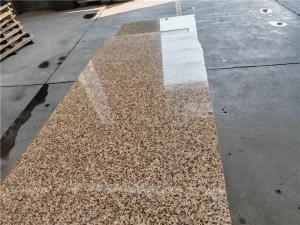
Modern mega-structures rarely rely on glass alone. Pairing calibrated natural granite spandrels with high-transmittance laminated Low-E vision glass avoids edge clash and differential expansion issues across multi-material building envelopes.
Factory-Direct Port Consolidation
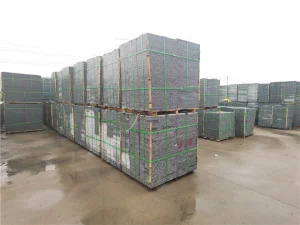
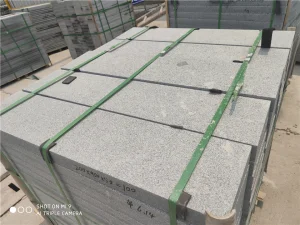
Strategically situated processing complexes near Rizhao and Qingdao allow contractors to combine high-mass granite curbs, pavers, and panels with delicate architectural glass batches inside coordinated export shipping containers.
Engineered Glass Clamp & Fitting Systems
To ensure high architectural safety, our glass systems include CNC-machined Grade 316 stainless steel spider fittings, glass shoe profiles, and structural standoffs tested to withstand heavy dynamic wind shear and deadweight loads.
Elimination of Secondary Intermediary Markups
Operating as an end-to-end processing entity eliminates distributor commissions, guarantees batch-to-batch color and mechanical consistency, and provides unified manufacturing warranties across all glass and stone packages.
Global Quality Certification & Compliance Controls
Our manufacturing protocols are calibrated to international architectural standards, verified through testing, batch documentation, and factory audits.
North American ASTM & SGCC Protocols
Manufacturing adheres strictly to SGCC certification, compliant with ANSI Z97.1-2015 and CPSC 16 CFR 1201 Category II impact requirements, as well as ASTM C1048 for heat-treated flat glass and ASTM C1172 for laminated architectures.
European Union CE / EN Regimes
Products carry CE conformity under EN 12150-1/2 (Thermally toughened soda lime silicate safety glass) and EN 14449 (Laminated safety glass), complete with Factory Production Control (FPC) audit documentation and mechanical declarations.
Oceania AS/NZS Safety Standards
Fabrication meets AS/NZS 2208:1996 for safety glazing materials in buildings, covering pendulum impact tests, boil tests for laminated interlayer cohesion, and edge stability against weathering.
Mandatory Heat Soak Testing (HST)
To eliminate spontaneous pane breakage caused by nickel sulfide (NiS) inclusions, architectural tempered panes can be routed through calibrated Heat Soak ovens adhering to EN 14179-1:2016, running stable hold cycles at 290°C ± 10°C.
Technical & Commercial FAQ for Project Specifiers
In-depth responses covering engineering tolerances, interlayer chemistry, Heat Soak testing, and mixed ocean container logistics.
When should architects specify SGP ionoplast interlayers over conventional PVB?
Why is the Heat Soak Test (HST) critical for high-rise tempered glass facades?
Can tempered and laminated glass be cut, drilled, or altered after fabrication?
How can we consolidate both natural granite and fragile architectural glass into unified containers?
What are the standard manufacturing tolerances for high-end architectural glass?
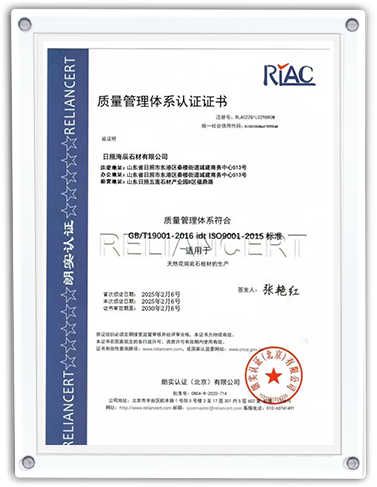
What quality documents and certifications are supplied with wholesale shipments?
Direct Factory Showcase: Series 02
Quarry-direct structural materials, processed tiles, and custom cut-to-size packages ready for containerized overseas shipment.