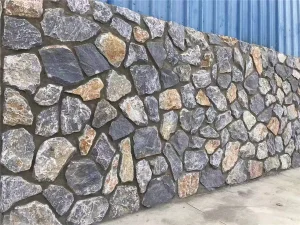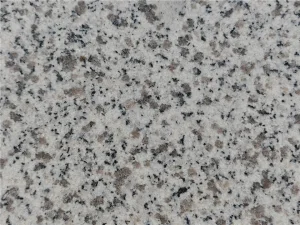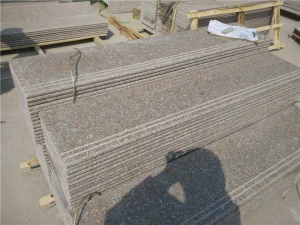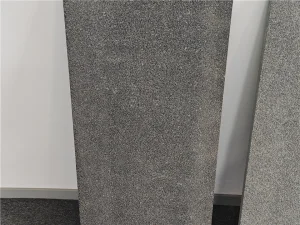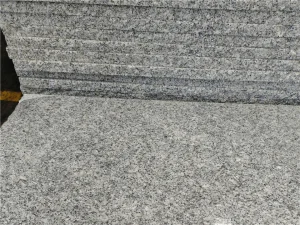
Featured Industrial Materials & Structural Formats
Factory-direct delivery lines engineered for commercial facades, structural framing, secure banking, and architectural landscaping.
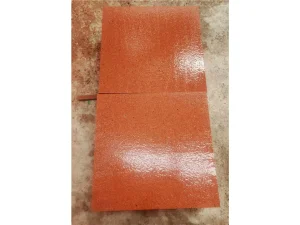
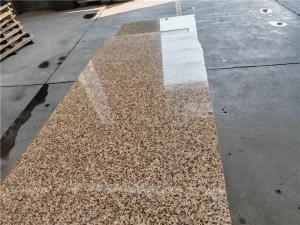
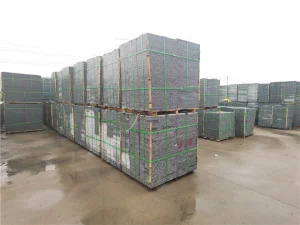
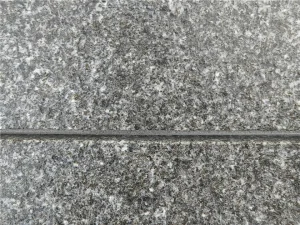
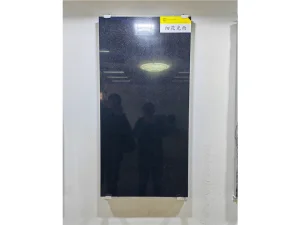
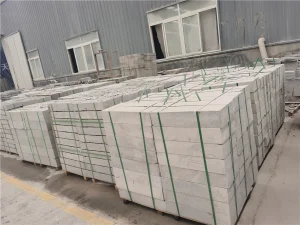
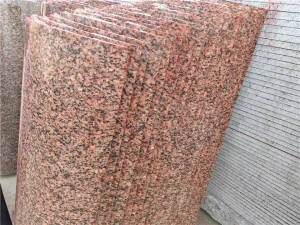
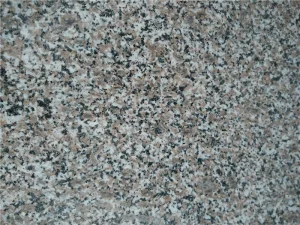
Ballistic Resistance Performance Matrix & Interlayer Physics
Laminated bulletproof glass achieves impact attenuation through alternating brittle and ductile composite layers engineered under vacuum autoclave protocols.
Kinetic Dissipation Mechanisms
Upon projectile strike, outer tempered float panes compress, deforming bullet geometry and blunting kinetic penetration, while viscous interlayers absorb secondary shock waves.
No-Spall Polycarbonate Liners
Inner rear faces integrate zero-spall polyurethane (PU) and polycarbonate (PC) composite foils, preventing high-velocity interior glass fragments from injuring operators.
Autoclave Molecular Bonding
High-pressure de-airing and vacuum autoclaving at 135°C and 1.2 MPa establish bubble-free, optically clear laminates retaining >88% light transmission with minimal distortion.
| Classification Standard | Threat Level Rating | Ammunition & Caliber | Impact Velocity (m/s) | Recommended Composite Thickness |
|---|---|---|---|---|
| UL 752 (USA) | Level 1 to Level 3 | 9mm FMJ / .44 Magnum SWC | 358 - 440 m/s | 19mm - 32mm Laminated Glass |
| UL 752 (USA) | Level 8 (Military Standard) | 7.62mm Rifle Full Metal Copper Jacket | 838 m/s | 55mm - 65mm Multi-Polycarbonate |
| EN 1063 (European) | BR2 / BR4 / BR6 | 9mm Parabellum / 7.62x51mm NATO Rifle | 400 - 830 m/s | 22mm - 58mm Low-Spall / No-Spall |
| NIJ 0108.01 (Global) | Type III-A to Type IV | .44 Magnum / .30-06 AP (Armor Piercing) | 426 - 868 m/s | 42mm - 75mm Glass-Clad Polycarbonate |
China Factory Manufacturing Power & Supply Chain Resilience
Integrated production lines, proprietary material sourcing, and dual-port maritime connectivity lower wholesale procurement cycles by 35%.
Direct Mineral & Raw Material Control
Vertical control encompassing ultra-clear float glass, silica raw inputs, and heavy stone sub-framing materials eliminates intermediary markups and shields pricing volatility.
Automated CNC Edge Calibration
Water-jet CNC shaping and high-precision diamond wheel edging preserve critical perimeter tolerances (±0.5mm), critical for blast-resistant sub-frame fitment.
Dual-Port Strategic Dispatch
Factory proximity to Rizhao and Qingdao deep-water ports allows consolidation of heavy mineral panels, bulletproof glass, and framing in unified container loadings.
Full Batch Traceability QA
Every laminated glazing unit carries traceable serialized etchings cross-referenced to factory autoclave pressure logs and destructive ballistic batch tests.
Localized Regulatory Support & Global Enterprise Procurement
Meeting exact regional building safety standards, anti-terrorism envelope mandates, and international customs criteria.
Pre-Engineered Shop Drawings
We provide complete parametric CAD, BIM (Revit), and structural loading calculations directly tailored to municipal defense requirements and curtain wall engineering codes.
Blast & Ballistic Certification
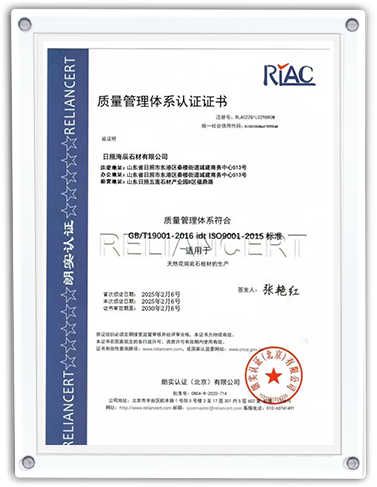
All glass shipments are furnished with formal factory test reports, ballistic range firing certificates, and third-party laboratory verification (including SGS, ISO 9001, and CE declarations).
Seaworthy Crate Engineering
Reinforced, heat-treated IPPC fumigated steel-corner wooden crates packed with high-density anti-scratch interleaved cork pads ensure zero micro-cracking across multi-modal transit.
Critical Application Scenarios & Future Industry Trends
From armored defense vehicles to transparent bank teller partitions, ballistic laminated glass is evolving towards ultra-thin, lightweight, and thermally efficient configurations.
Diplomatic & Embassy Enclosures
High-threat embassy perimeters require blast mitigation alongside sustained anti-intrusion protection, pairing multi-hit UL 752 Level 8 glazing with insulated low-E layers.
Cash-in-Transit (CIT) Vehicles
Armored transport fleets require curved bulletproof glass with maximum weight reduction. Advanced glass-clad polycarbonate formulas slash weight by 40% over monolithic glass.
Smart Electrochromic Integration
The fast-growing demand for switchable PDLC privacy layers within bulletproof laminated packages gives institutions on-demand vision shielding during emergency lockdowns.
Frequently Asked Technical & Logistics Questions
Direct answers to engineer and procurement officer inquiries concerning sizing tolerances, frame compatibility, and custom certifications.
What is the difference between "Spall" and "No-Spall" bulletproof glass?
"Spall" refers to glass fragments breaking away from the back side of the bulletproof pane upon bullet impact. "No-Spall" configurations integrate a polycarbonate interior layer with clear polyurethane bonding that completely traps internal splinters, preventing injury to individuals standing directly behind the glass.
Can laminated bulletproof glass be field-cut on construction sites?
No. Laminated bulletproof glass uses factory-tempered float glass layers and chemical heat-treating. Any cutting, drilling, or perimeter alteration after the autoclave cycle will cause instant stress failure or edge delamination. All dimensions, holes, and edge profiles must be completed according to approved shop drawings prior to lamination.
How do environmental extremes (temperature & UV) impact service life?
We use high-grade aliphatic TPU and formulated PVB/SGP interlayers containing specialized UV inhibitors. This prevents interlayer yellowing, clouding, and loss of tensile resilience over a 15-20 year operational service span, maintaining stability in ambient temperatures ranging from -40°C to +80°C.
Can you provide ballistic testing video and laboratory certificates?
Yes. We supply official ballistic test documentation, including high-speed video verification, strike pattern logs, velocity readouts, and third-party laboratory accreditations conforming to UL 752, EN 1063, or NIJ specifications for each mass-production batch.
Architectural Slabs, Structural Profiles & Dimension Stones
Cohesive wholesale orders combining ballistic transparent enclosures with premium architectural exterior cladding and municipal framing.