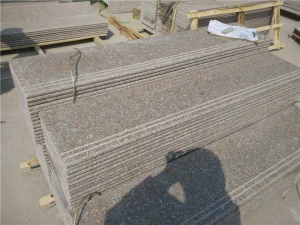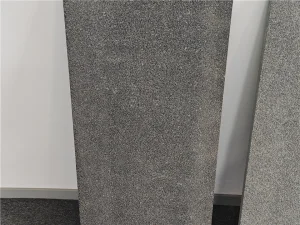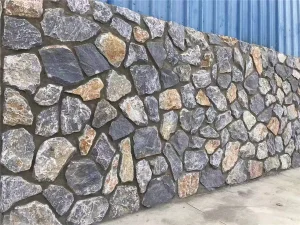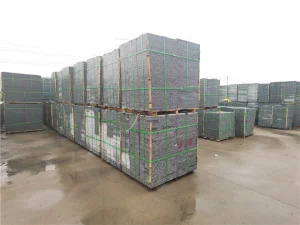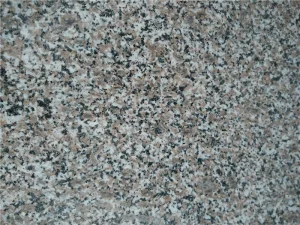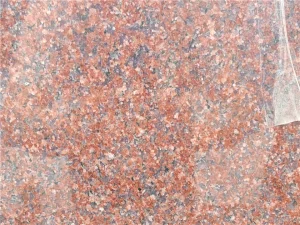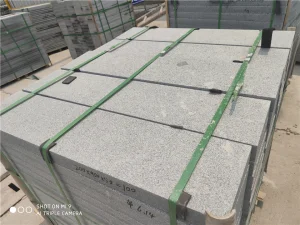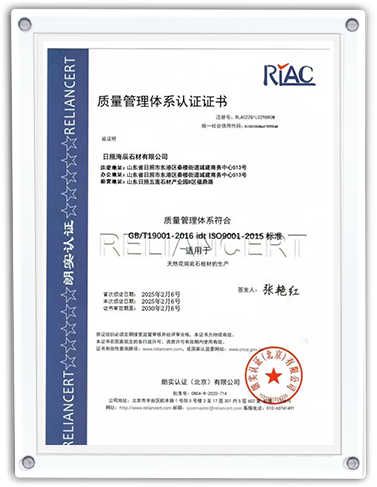
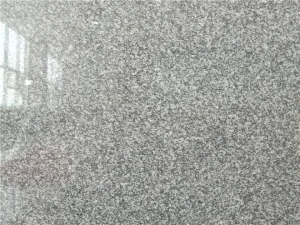
Engineered Granite & Natural Stacked Stone Matrix (Batch 01)
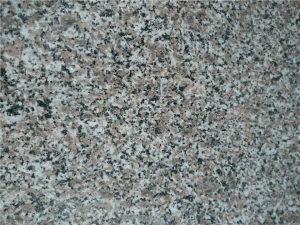
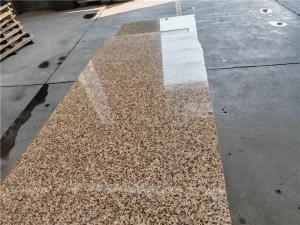
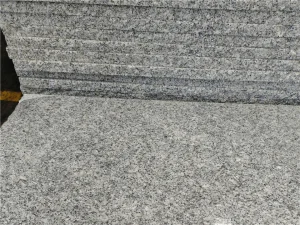
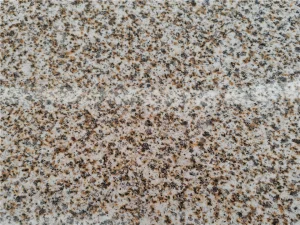
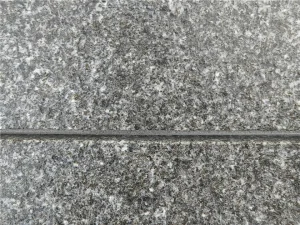
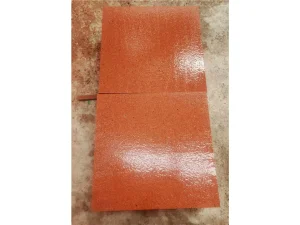
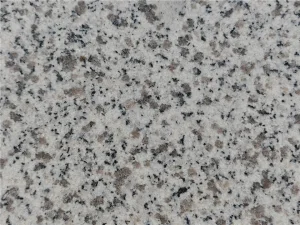
Direct structural materials extracted from verified Shandong mining parcels. Calibrated for dimensional cladding, structural paving, and multi-tier architectural ledgestone frameworks.
Global Ledgestone Stacked Stone Industry Evolution & Megatrends
An empirical evaluation of contemporary exterior envelope engineering, biophilic design adoption, and zero-mortar interlocking panelization across tier-1 infrastructure projects.
Prefabricated Z-Panel Architecture
Global construction continues its pivot from manually adhered, piece-by-piece field masonry to factory-engineered Z-shaped and S-shaped stacked stone veneer panels. Modern architectural firms specify calibrated 600x150mm interlocking systems that eliminate continuous vertical joint lines. This paradigm shift reduces structural wall assembly labor by over 60% while ensuring uniform shear-load distribution on high-rise curtain foundations.
Hypro-Thermal & Seismic Resilience
Stringent international building codes (such as Eurocode 8, ASTM C1364, and AS/NZS 4455) dictate that exterior stacked ledgestone assemblies withstand intense cyclic thermal shocks and dynamic lateral drift. Natural granite, quartzite, and dense slate ledgestones retain superior compressive yield (>131 MPa) and water absorption benchmarks (<0.4%), outperforming cast concrete faux stone which suffers from freeze-thaw spalling.
Biophilic & Organic Texturing
Commercial developments in North America, Western Europe, and Australasia are moving away from planar, monotonous glass facades toward tactile, fractured cleft surfaces. Split-face granite stacked ledgestone generates dynamic daylight-shadow interactions, creating an organic biophilic envelope that satisfies LEED v4 credit metrics and lowers envelope heat absorption through multi-faceted solar dissipation.
Wholesale Procurement Strategy for Global Contractors & EPCs
Key performance indices and risk mitigation protocols used by international developers, masonry wholesalers, and structural engineering firms when selecting quarry-direct manufacturers.
Lithological Homogeneity
Phased commercial projects requiring tens of thousands of square meters demand absolute petrological consistency across multi-year build schedules. Quarry-direct producers with certified mineral concessions ensure consistent mica, quartz, and feldspar grain patterns without sudden batch discoloration.
CE & ASTM Compliance
Wholesale buyers verify certified compliance with EN 12057 (natural stone modular tiles), EN 1469 (slabs for cladding), and ASTM C615 (granite dimension stone). Independent lab testing for flexural strength, breaking load, and freeze-thaw cycles is mandatory prior to container dispatch.
Fumigated Export Crating
Stacked stone veneer pieces feature uneven cleft profiles that are susceptible to micro-fractures under ocean transit vibrations. Procurement teams audit crating standards: solid pine crates heat-treated to ISPM-15, corrugated separators, moisture-proof liners, and internal steel strapping.
Intermodal Logistics Port Speed
Lead-time precision requires proximity to deep-water container hubs. Factories located near Rizhao and Qingdao Ports offer direct access to international sea-freight lanes, reducing domestic transit damage and inland transit costs by up to 30% compared to inland factories.
China Factory 4.0: Supply Chain Resilience & Manufacturing Precision
How mechanized multi-blade diamond gang sawing, automated resin-mesh backing, and digitized dry-lay QA establish reliable production capabilities at Haichen Stone.
Automated Block Gang Sawing
Our primary fabrication facility in Rizhao Stone Industrial Park utilizes hydraulic multi-blade bridge saws and automated diamond wire extractors. Raw quarry blocks are sliced into calibrated thickness strips with a dimensional tolerance of ±0.5mm, ensuring completely flush back surfaces for rapid adhesive bonding on site.
Epoxy-Mesh Structural Backing
Individual ledgestone strips are bonded into stable interlocking Z-panels (standard 600x150mm or custom sizes) using high-tensile alkali-resistant fiberglass netting and marine-grade epoxy. Panels undergo automated thermal curing to guarantee an adhesion peel strength exceeding 2.5 MPa under high humidity.
Full-Run Digital Dry-Lay QA
To eliminate on-site sequencing errors, large architectural lots undergo factory dry-lay staging under standard daylight simulation. Panels are optically scanned for color grading, vein continuity, and interlocking joint tolerances. Pieces are digitally numbered to match architectural installation shop drawings.
| Physical Property Parameter | Haichen Granite Stacked Stone | Standard Quartzite / Slate Ledgestone | Test Standard |
|---|---|---|---|
| True Density (Apparent) | 2,650 – 2,780 kg/m³ High Mass | 2,500 – 2,620 kg/m³ | ASTM C97 / EN 1936 |
| Water Absorption by Weight | 0.15% – 0.32% (Ultra-low) | 0.45% – 0.85% | ASTM C97 / EN 13755 |
| Compressive Yield Strength | 140 – 195 MPa | 100 – 130 MPa | ASTM C170 / EN 1926 |
| Flexural Strength (Modulus of Rupture) | 14.8 – 21.2 MPa | 10.2 – 14.0 MPa | ASTM C99 / EN 12372 |
| Freeze-Thaw Resistance (56 Cycles) | No cracking, mass loss < 0.05% | Surface delamination < 0.3% | EN 12371 / ASTM C666 |
Worldwide Engineering Applications & Substrate Integration
From seismic curtain claddings in commercial plazas to frost-resistant landscape retaining walls and fire-rated luxury residential cores.
Commercial Rain Screen Cladding
Engineered for mid-to-high-rise commercial facades, Haichen stacked stone panels integrate with stainless steel anchoring split pins and extruded aluminum back-rails. This mechanical fixing configuration creates a ventilated rain-screen cavity, preventing moisture migration while dissipating wind uplift loads across the exterior envelope.
Municipal Retaining Walls
For highway embankments, public parks, and civic infrastructure, natural granite stacked ledgestone acts as a durable, non-deteriorating facing over reinforced concrete backings. Its non-reactive mineralogy resists road de-icing salts, heavy environmental pollution, and hydrostatic soil pressure without surface degradation.
Fireplace & Interior Focal Points
In high-end residential interiors and boutique hospitality lobbies, stacked ledgestone provides a zero-VOC, Class A1 non-combustible material surrounding fireplace hearths and multistory atrium walls. The split-face texture diffuses ambient light, pairing with warm architectural illumination to create distinctive interior elevations.
Wholesale Ledgestone & Stacked Stone Procurement FAQ
Direct answers to the engineering, logistics, adhesion, and quality control questions asked by international project buyers and procurement officers.
Engineered Granite & Natural Stacked Stone Matrix (Batch 02)
Refined granite formulations, split textures, and flamed dimensional slabs manufactured to project specifications in our Rizhao facility.