Primary Architectural Glass & Facade Infill Products
Verified production batches from our partner fabrication lines and comprehensive building envelope solutions, ready for containerized project shipments.
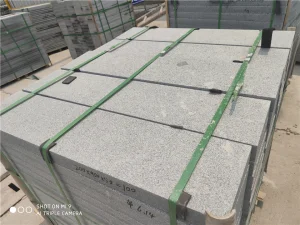
China G654 Sesame Grey Granite Flamed Finish Supplier, Factories
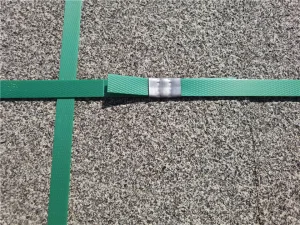
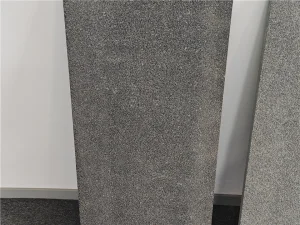
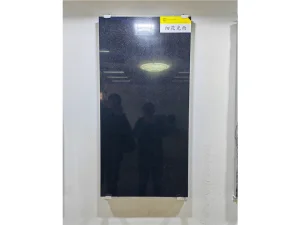
Wholesale G654 Sesame Black Granite Polished Slabs Suppliers, Factories
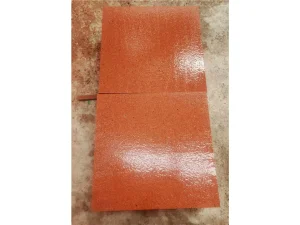
China Premium Chinese Red Granite Blocks Supplier, Suppliers
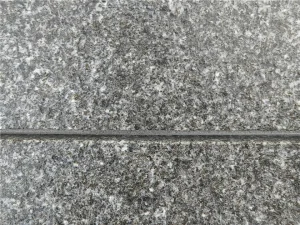
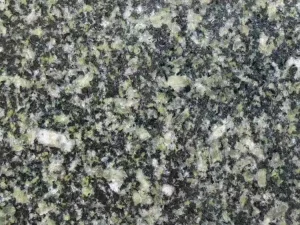
China G4101 Forest Green Granite Veneer Panels Supplier, Factories
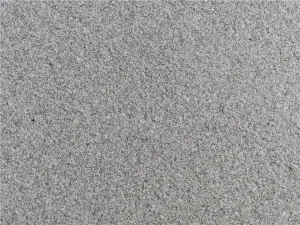
China G614 Sesame Grey Granite Slabs & Tiles Supplier, Suppliers
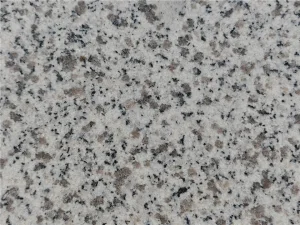
Wholesale G3760 Shandong White Marble Granite Manufacturers, Suppliers
5x
Impact Resistance
Compared to standard annealed glass configurations
99.8%
UV Filtration
With PVB and SentryGlas® structural interlayers
±0.5mm
Fabrication Tolerance
CNC waterjet precision cutting and edge polishing
0%
Fallout Risk
Post-breakage retention for structural safety standards
Strategic Engineering of Tempered Laminated Glass in Modern Architecture
Tempered laminated glass represents the apex of structural glazing engineering. Composed of two or more sheets of thermally toughened glass permanently bonded under intense heat and pressure with specialized interlayers—such as Polyvinyl Butyral (PVB), Ethylene-Vinyl Acetate (EVA), or ionoplast polymers (SGP)—it yields unparalleled structural resilience.
Unlike monolithic tempered glass, which shatters into small dice upon fracture, or standard laminated glass which lacks bending strength, tempered laminated glass merges exceptional flexural integrity with catastrophic failure containment. In modern facades, overhead canopies, glass flooring, and frameless structural balustrades, it fulfills dual architectural priorities: unimpeded optical transparency and uncompromising structural security.
Direct Manufacturer Sourcing Advantage
Our industrial park facilities optimize complete supply chains—from structural steel frames and stainless steel glass clamps to heavy exterior cladding and glazed modules. This integrated sourcing directly reduces project coordination conflicts and logistical overhead for tier-one general contractors.
| Interlayer Type | Key Performance Attribute | Ideal Specification |
|---|---|---|
| Standard PVB (0.76 - 1.52mm) | Acoustic dampening, high elasticity | Commercial curtain walls, interior partitions |
| Acoustic PVB | Sound transmission class (STC) enhancement | Airport terminals, railway facade envelopes |
| Ionoplast (SentryGlas® / SGP) | 5x tear strength, 100x rigidity vs PVB | Hurricane barriers, glass fin facades, floors |
| EVA Interlayer | Moisture proof, high cross-linking | Exterior unsealed open-edge balustrades |
Global Industry Dynamics & Structural Procurement Trends
High-performance envelope specifications demand rigorous manufacturing transparency and specialized processing capabilities across international supply chains.
Hurricane & Seismic Envelope Resilience
Global climate events have shifted building codes toward mandatory dynamic cyclic pressure and projectile impact compliance (e.g., ASTM E1886/E1996 and Miami-Dade protocols). Modern infrastructure projects require tempered laminated assemblies built with rigid ionoplast layers capable of withstanding extreme atmospheric pressures without frame release.
Net-Zero Energy Envelopes & Low-E Coatings
Corporate ESG imperatives mandate envelopes with ultra-low Solar Heat Gain Coefficients (SHGC) and stringent U-values. Leading factories must integrate soft-coat double/triple-silver Low-E laminates, combining solar thermal efficiency with advanced vacuum autoclaving to eliminate internal edge delamination over multi-decade cycles.
Jumbo & Over-Sized Architectural Formats
Contemporary aesthetics favor seamless, uninterrupted glazing spanning entire floor plates. Advanced wholesale manufacturers are scaling vertical tempering furnaces and cleanroom autoclave chambers to supply jumbo formats exceeding 3.3m x 12m, demanding flawless roller wave suppression and strict optical distortion thresholds.
Turnkey Macro Solutions for Commercial Architecture
Engineered structural envelope assemblies combining high-strength tempered laminated glass with structural anchoring systems.
Point-Supported Spider Glass Walls
Articulated stainless steel spider fittings combined with countersunk tempered laminated fins ensure load distribution under intense wind loads while maintaining maximum facade transparency.
Overhead Canopies & Skylights
Overhead glazed structures mandate fail-safe post-breakage load-bearing configurations. Our laminated configurations keep shattered fragments firmly adhered to the core membrane, meeting rigorous overhead safety mandates.
Structural Balustrades & Parapets
Eliminating continuous handrails requires high-stiffness SGP ionoplast interlayers capable of withstanding linear crowd surge loads under strict ISO 14122 and IBC code requirements without structural deviation.
Integrated Facade & Stone Cladding Packages
Combining glazed curtain wall panels with matching natural stone granite spandrel panels and engineered steel frameworks enables developers to consolidate sub-trades under a single point of quality verification.
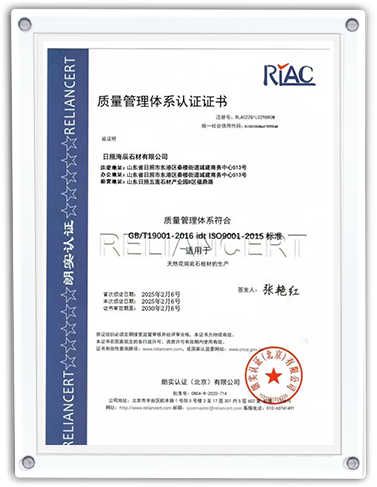
Rigorous Quality Assurance, Heat Soak Testing & Global Certifications
Critical structural failures in tempered glass assemblies frequently stem from microscopic nickel sulfide (NiS) inclusions. To eliminate the risk of spontaneous in-situ breakage, our partner processing workshops strictly adhere to calibrated Heat Soak Testing (HST) protocols in compliance with EN 14179.
During the HST process, tempered panels are held at 290°C ± 10°C for prolonged dwell times, deliberately forcing panels with NiS impurities to break within the controlled furnace environment rather than on an installed skyscraper facade.
Auditable International Testing Standards
Every wholesale manufacturing batch is cross-referenced with mill certificates and mechanical impact test reports, ensuring seamless compliance across global jurisdictions.
| Jurisdiction | Standard Code | Certification Scope |
|---|---|---|
| North America | ANSI Z97.1 / CPSC 16 CFR 1201 | Safety glazing materials & human impact performance |
| European Union | EN 12150 & EN 14449 | Thermally toughened & laminated safety glass standards |
| Australia / NZ | AS/NZS 2208:1996 | Safety glazing materials in buildings |
| Global Testing | ISO 12543 (Parts 1-6) | Laminated glass durability, radiation, high temp & humidity |
Technology Roadmap: Next-Generation Lamination Capabilities
Engineering future-proof glazing innovations designed to meet carbon-neutral directives and smart building architectures.
Phase I: Thermal
Dynamic Electrochromic Laminates
Integrating solid-state electrochromic films inside tempered laminated sandwiches, enabling automated solar tint modulation controlled via building management automation protocols.
Phase II: Structural
Thin-Glass Composite Assemblies
Engineering multi-layer assemblies that pair chemically strengthened ultra-thin glass cores with outer tempered lites, cutting total structural facade deadweight by 35% without compromising yield strength.
Phase III: Energy
Transparent BIPV Integration
Laminating see-through photovoltaic cells between glass panels to generate on-site clean electrical power across expansive facade spandrel zones without compromising interior daylighting.
Phase IV: QC
AI Surface Scanning & Digital Traceability
Deploying automated laser scanning across tempering lines to trace roller wave optical distortions, paired with permanent QR-coded glass edge identification for building lifecycle audits.
Frequently Asked Questions: Wholesale Procurement & Engineering
Essential answers for structural engineers, project managers, and building material importers sourcing structural glass.
What is the structural difference between PVB and SentryGlas® (SGP) in laminated glass?
While standard PVB interlayers are pliable and provide excellent sound damping and safety retention, SGP (ionoplast) is approximately 100 times stiffer and five times more tear-resistant. SGP allows structural engineers to design laminated glass panels that act as an integrated structural unit. If both tempered lites shatter, SGP maintains its structural plane, preventing the assembly from sagging or falling out of its frame under sustained wind or crowd loads.
Why should Heat Soak Testing (HST) be specified for wholesale exterior tempered glass?
Heat Soak Testing is an accelerated quality control measure designed to identify nickel sulfide (NiS) inclusions. When float glass is tempered, high temperatures freeze NiS particles in an unstable phase. Over time, these inclusions can expand in sunlight, causing sudden glass shattering without external impact. HST forces panels with these defects to break inside the factory oven, safeguarding against unpredictable, costly failures after installation.
Can tempered laminated glass be cut, drilled, or edge-processed after delivery?
No. Any cutting, waterjet hole drilling, notch routing, or bevelling must be executed prior to the thermal tempering and autoclaving processes. Attempting to cut or modify tempered laminated panels on site will relieve balanced internal compressive and tensile stresses, instantly causing the glass to shatter into granulated fragments. Detailed shop drawings must be approved before production starts.
How do manufacturers prevent delamination on exposed-edge glass balustrades?
Standard PVB interlayers can absorb ambient moisture when their edges are directly exposed to rain, salt fog, or cleaning solvents, leading to clouding and edge separation over time. For unsealed open-edge installations like frameless structural balustrades, we recommend hydrophobic interlayers such as EVA or ionoplast (SGP) resins, which deliver superior moisture barrier properties and exceptional resistance to edge delamination.
How does consolidation of glass, stone, and structural steel streamline procurement?
By sourcing tempered laminated glass, facade-cladding granite stone, and matching structural steel components from an integrated regional production ecosystem, contractors eliminate discrepancies in mounting tolerances between different suppliers. Container packing configurations can be optimized simultaneously, significantly lowering shipping overhead, import documentation fees, and on-site assembly conflicts.
Complementary Structural Materials & Architectural Elements
Complete your exterior building package with verified natural stone, pavers, and precision cut-to-size structural facade materials.
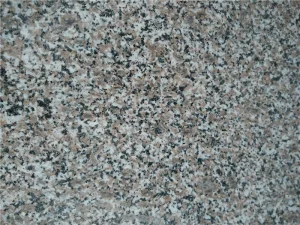
China Other Colours Granite – Custom Orders Manufacturers, Factories
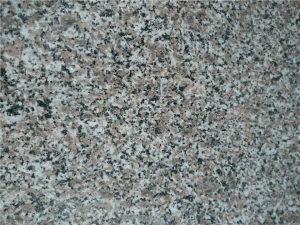
China G6361 Wulianhua Granite for Landscaping Manufacturer, Factories
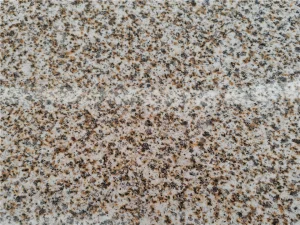
Wholesale G682 Yellow Rust Granite for Paving Suppliers, Factories
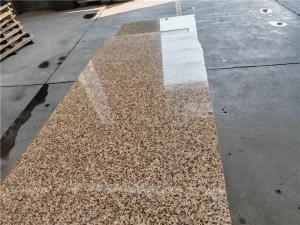
China A1684 Golden Hemp Granite Countertops Manufacturer, Factories
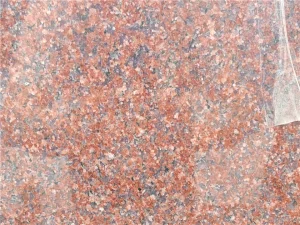
Wholesale G386 Shidiao Red Granite Tiles Manufacturers, Suppliers
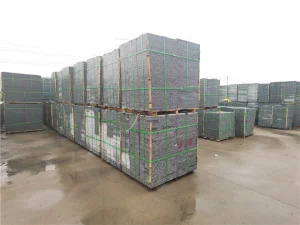
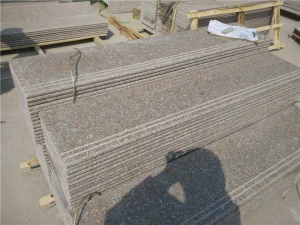
Wholesale G368 Wulian Red Granite Paving Stones Supplier, Suppliers