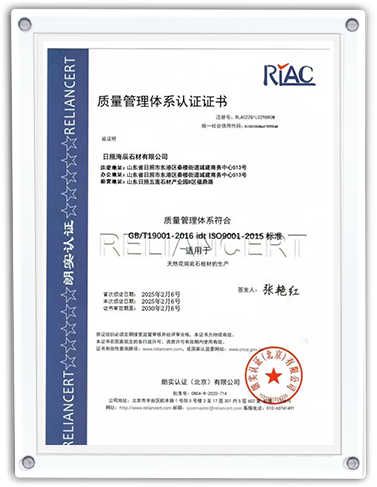
Specified Architectural Systems & Material Assemblies
Explore our core consolidated envelope packages, from heavy architectural cladding profiles and structural framing to integrated high-durability fenestration systems manufactured under stringent factory-controlled tolerances.
Global Industrial Status of Thermal Break Fenestration Systems
Thermal barrier fenestration has evolved from an optional architectural upgrade into an imperative statutory requirement across mature commercial and industrial building ecosystems worldwide.
Stringent Thermal Envelope Mandates
The implementation of stricter international building energy codes, such as ASHRAE 90.1, the European EPBD (Energy Performance of Buildings Directive), and Title 24, has permanently transformed commercial fenestration. Uninsulated standard aluminum extrusions produce severe thermal bridges, resulting in high HVAC loads, operational inefficiency, and internal surface condensation. Today, wholesale thermal break aluminum profiles with certified U-factors under 1.4 W/m²K are baseline prerequisites for commercial development approvals.
Supply Chain Integration & Consolidation
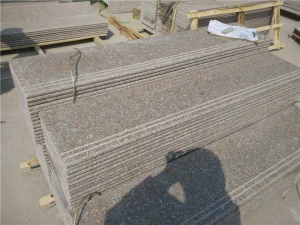
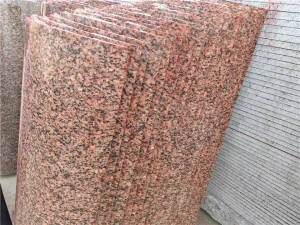
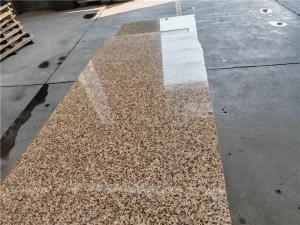
Modern developers and general contractors are moving away from fragmented, multi-vendor purchasing models. Sourcing integrated building envelope components—ranging from primary structural framing and granite facade cladding to precision glass clamp fittings and thermal break fenestration—drastically lowers freight consolidation costs, reduces site layout errors, and ensures synchronized material arrival on major infrastructure sites.
High Durability Across Harsh Environments
Aluminum alloy 6063-T5 and 6063-T6, when treated with architectural-grade fluoropolymer (PVDF) coatings or Class I anodization, provide unmatched resilience against ambient weathering. Industrial facilities, coastal developments, and extreme freeze-thaw zones demand structural profiles that will not warp, rot, crack, or degrade under prolonged exposure to UV radiation, atmospheric salinity, or volatile industrial chemicals.
Engineering Principles of Modern Thermal Break Systems
A rigorous understanding of heat transfer vectors, material thermal expansion coefficients, and mechanical interlocking technology is fundamental when evaluating professional fenestration suppliers.
Polyamide PA66 GF25 Insulating Struts
Aluminum is an exceptional structural metal, but its thermal conductivity of approximately 160 to 200 W/(m·K) creates rapid energy transfer. The thermal break process mechanically isolates the interior and exterior aluminum extrusions using precision-rolled continuous insulating strips made from Polyamide 6.6 reinforced with 25% glass fiber (PA66 GF25). PA66 GF25 has a thermal conductivity of just 0.25 to 0.30 W/(m·K)—over 500 times lower than bare aluminum—completely severing the conduction conduit.
Thermal Expansion Coefficient Matching
A primary failure mode of low-quality thermal barrier windows is delamination, shear rupture, or profile warping under intense solar radiation. Pure plastics expand at rates radically different from aluminum alloys. By integrating 25% oriented glass fibers into the polyamide core, the linear coefficient of thermal expansion (α ≈ 2.4 × 10⁻⁵ K−1) matches aluminum 6063 with microscopic precision. This engineering harmony guarantees zero thermal shearing stresses, maintaining gas-tight seals across thermal swings from −40°C to +80°C.
Multi-Chamber Aero Insulation & EPDM Gasketing
Modern architectural profiles feature advanced multi-chamber internal geometry. Specialized hollow chambers capture stagnant air or are filled with aerated polyolefin insulation foam to counteract convective and radiative heat flux. Coupled with continuous co-extruded EPDM (Ethylene Propylene Diene Monomer) triple-barrier perimeter gaskets, these systems eliminate draft micro-currents, offering class-leading acoustic attenuation ratings reaching Rw ≥ 42 dB.
Global Market Trends & Next-Gen Envelope Evolution
The intersection of artificial intelligence, automated factory manufacturing, and aggressive decarbonization standards is redefining window and door supply chains worldwide.
Passive House & Net-Zero Architectural Standards
Passive House (Passivhaus) certified buildings require whole-window U-factors (Uw) under 0.80 W/(m²·K). To fulfill these hyper-efficient standards, manufacturers are expanding thermal barrier depths beyond 34mm, utilizing structural polyamide webs with low-emissivity multi-cavity inserts, and pairing frames with argon-filled triple or quadruple Low-E insulated glazing units (IGUs) incorporating warm-edge composite spacers.
Smart Glass, BIPV & Automated Actuation
Thermal break systems increasingly function as integrated digital conduits. Profiles are pre-routed with internal raceways to power electrochromic dynamic tinting glass, automated concealed multi-point locking actuators, and magnetic contact sensors for centralized Building Management Systems (BMS). Building-Integrated Photovoltaics (BIPV) are also mounted into spandrel assemblies to transform the passive facade into an active power plant.
Low-Carbon Recycled Aluminum Billets
Driven by corporate ESG requirements and LEED Platinum documentation, global demand is surging for thermal break extrusions produced with certified low-carbon primary aluminum (smelted via hydro or renewable energy) or secondary scrap contents exceeding 75%. This transition drops the embodied carbon footprint from 18 kg CO&sub2;e/kg Al down to under 4 kg CO&sub2;e/kg Al without compromising mechanical tensile strength or surface anodizing quality.
Localized Climate Applications & Engineering Fit
A fenestration unit that thrives in arid climates will quickly degrade under cyclonic wind forces or sub-zero permafrost environments. Discover our purpose-engineered climatic adaptations.
Sub-Zero & Boreal Zones: Preventing Internal Frost
In cold climate territories across Northern North America, Scandinavia, and Alpine Europe, internal condensation leads to indoor air quality degradation, mold formation, and structural finish damage. Our thermal break profiles feature thermal strut depths of 34mm to 42mm, paired with warm-edge insulated triple glazing. This configuration keeps the interior aluminum face well above the interior dew point (typically > 12.5°C even when exterior conditions plummet to −30°C), eliminating condensation while slashing perimeter draft radiation.
Coastal, Marine & Cyclone Belts
Island architectures and coastal installations face dual perils: high-salinity marine air and violent hurricane-induced windward-leeward pressures. For these environments, extrusions are fortified with wall thicknesses up to 3.0mm, deep structural polyamide channels to prevent flex under cyclonic deflection, and marine-grade Qualicoat Class 2 / AAMA 2605 powder coatings or 25μm hard-coat anodizing. Tested water penetration resistance reaches up to 1050 Pa, far exceeding international coastal building codes.
Tropical High-Humidity & Desert Solar Radiance
In the Middle East, Southeast Asia, and Equatorial Latin America, extreme solar irradiance pushes external aluminum surface temperatures beyond 75°C. Our systems utilize custom polyamide thermal isolators fitted with infrared-reflective foil cores, paired with solar-control Low-E spectrally selective coatings (SHGC ≤ 0.22). This architecture blocks radiant heat absorption at the exterior envelope, preventing heat gain from migrating indoors and lowering HVAC chiller runtime.
Integrated Macro Industry Solutions
Large-scale architectural developments demand unified engineering. Combining our precision thermal break window and door profiles with stone facades, architectural hardware, and structural steel packages unlocks unique operational efficiencies.
High-Rise Curtain Walls & Unitized Stone Facades
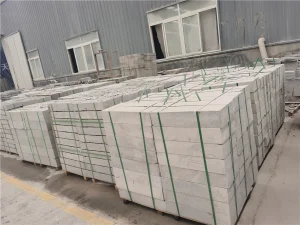
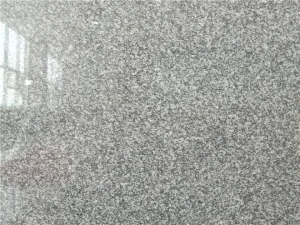
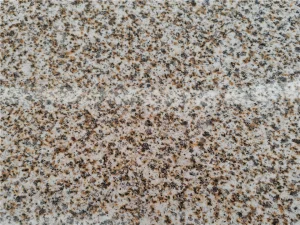
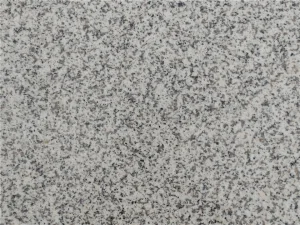
By synchronizing thermal break aluminum mullions with natural stone cladding panels (such as G603 Sesame White, G654, or G3760 Shandong White), project engineers eliminate interface coordination errors between the masonry subcontractor and fenestration contractor. Perimeter flashing, moisture weep trays, expansion joints, and glass clamp fittings integrate into a unified CAD/BIM drawing package, speeding up on-site installation by over 30%.
Prefabricated & Modular Building Envelopes
Volumetric modular construction requires fenestration components that endure overland and marine shipping vibration without seal failure or corner mitre displacement. Our thermal break frames feature dual-corner crimped structural corner cleats injected with anaerobic expanding polyurethane resin. This technique creates a monolithic joint capable of withstanding torsional transit shock loads during crane hoisting and intermodal transport.
Retrofit Energy Decarbonization for Aging Assets
Institutional retrofits across corporate campuses, historic renovations, and hospital infrastructure require upgrading obsolete, non-thermally broken frames to modern standards without demolishing perimeter structural brick or granite surrounds. We supply custom sub-frame flange profiles and ultra-slim sightline casements that install cleanly within existing structural envelopes, maximizing clear day-lit vision while lowering operating carbon emissions.
Engineering Specification Matrix & Test Standards
A comprehensive technical overview for specifiers, structural engineers, and commercial procurement teams evaluating our wholesale thermal break window and door assemblies.
| Performance Parameter | International Standard | Engineering Specification | Structural Compliance Tier |
|---|---|---|---|
| Thermal Transmittance (U-Factor) | ISO 10077-1 / EN 12412-2 | Uw ≤ 1.10 - 1.40 W/(m²·K) (Standard) Uw ≤ 0.79 W/(m²·K) (Passive Spec) |
Tier 1 High-Efficiency |
| Air Permeability | ASTM E283 / EN 12207 | Class 4 (≤ 0.08 cfm/ft² @ 6.24 psf / 600 Pa) | Aero-Seal Verified |
| Water Penetration Under Pressure | ASTM E331 / EN 12208 | Static ≥ 700 Pa / Dynamic ≥ 1050 Pa (No Leakage) | Coastal Rated |
| Structural Wind Load Deflection | ASTM E330 / EN 12210 | Serviceability P1 ≥ 3000 Pa / Ultimate P3 ≥ 4500 Pa (Class C5) | Typhoon Resistant |
| Acoustic Sound Transmission (STC / OITC) | ASTM E90 / ISO 717-1 | Rw (C; Ctr) = 43 (−1; −4) dB / STC 42 (With Laminated IGU) | Acoustic Class A |
| Aluminum Alloy Mechanical Properties | GB 5237 / ASTM B221 | 6063-T5 / 6063-T6 Tensile ≥ 205 MPa, Yield ≥ 170 MPa | Structural Architectural |
| Polyamide Barrier Strut Spec | EN 14024 / DIN 53455 | PA66 GF25 Tensile Transverse Strength ≥ 75 N/mm | Zero Thermal Creep |
Procurement & Technical Engineering FAQ
Essential guidance covering manufacturing, logistics consolidation, surface longevity, and profile design for commercial buyers and engineering teams.
What is the functional difference between "poured and debridged" and "polyamide strut" thermal breaks?
Poured and debridged systems fill an aluminum cavity with liquid polyurethane resin, followed by mechanical saw debridging. While cost-effective, polyurethane has a higher thermal expansion differential compared to aluminum, increasing the risk of delamination in tall commercial structures under high wind or thermal stress. In contrast, rolled Polyamide 6.6 with 25% glass fiber (PA66 GF25) struts use mechanically crimped, knurled aluminum joints that match the thermal expansion of the alloy. This delivers superior transverse tensile strength, extended operational life, and supports multi-tone frame finishes.
Can you supply consolidated shipments of stone facade panels and thermal break window packages?
Yes. Many global developers capitalize on our integrated manufacturing capabilities to combine natural granite cladding (such as G603, G654, or G3760 Shandong White), steel structure supports, architectural glass fittings, and fully fabricated thermal break aluminum systems in single ocean containers. This consolidation saves up to 30% in freight and customs overhead, eliminates split container fees, and prevents on-site delays during multi-story facade construction.
How are profile corner mitres secured against water ingress and structural distortion?
We use double-cleat hydraulic mechanical crimping paired with cast aluminum alignment inserts. Prior to crimping, the corner joints receive two-part structural polyurethane adhesive, followed by an application of elastomeric joint sealant across the cut profile face. This prevents diagonal water penetration under extreme wind conditions and keeps the frame square under heavy glass loads.
What surface treatment standards are implemented to ensure resistance against coastal salt spray?
For coastal and industrial installations, we specify certified Qualicoat Class 2 or AAMA 2605 70% Polyvinylidene Fluoride (PVDF / Kynar 500) three-coat liquid finishes, or Class I anodized coatings (≥ 20–25 μm). These treatments are tested under ASTM B117 neutral salt spray conditions for over 4,000 hours with no blistering, pitting, chalking, or color shifting.
How do you guarantee color consistency across large, multi-phased architectural projects?
For large developments built across multiple phases, we source our aluminum extrusions from consistent billet lots and utilize computer-controlled automated vertical powder coating lines with spectrophotometric colorimetry. Every production batch is matched against Master RAL or Pantone references to ensure color variation stays under ΔE ≤ 0.5. For paired natural stone cladding, we control dedicated quarry deposits to maintain uniform coloration across years of delivery.
What technical documentation and inspection protocols are provided prior to export dispatch?
Every commercial order includes a complete Quality Assurance dossier: mill test certificates for aluminum 6063-T5/T6, tensile test reports for the polyamide thermal barrier strips, coating adhesion and thickness checks, and glass IGU argon-fill verification reports. Before dispatch, we can conduct on-site factory mock-up dry assemblies, air and water pressure chamber testing, and third-party inspections (SGS, TÜV, or Bureau Veritas) per contract requirements.
Specified Architectural Systems & Dimensional Stone Assemblies
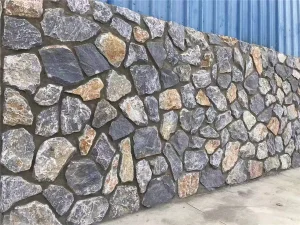
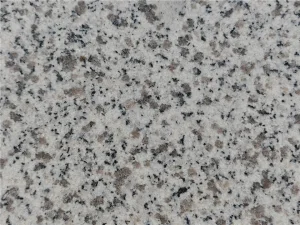
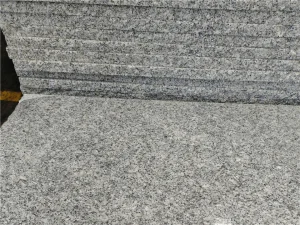
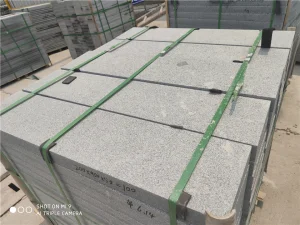
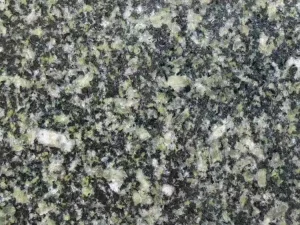
Complete project requirements with our companion products, including architectural granite elements, cut-to-size paving, and premium structural stonework, delivered directly from our production base in Shandong.
Partner with an Established Envelope Manufacturer
Whether you require custom extrusion dies, project shop drawings, thermal calculations, or combined stone-and-fenestration ocean containers, our technical trade team in Rizhao provides direct factory support with zero intermediary markup.