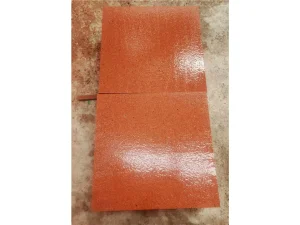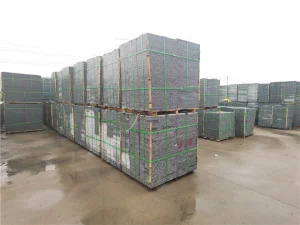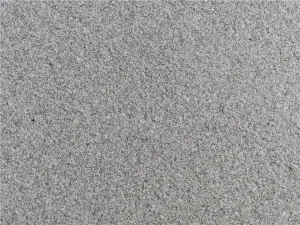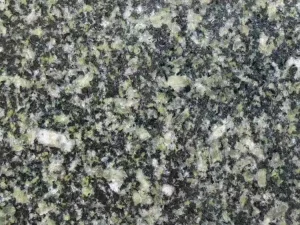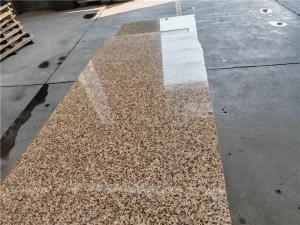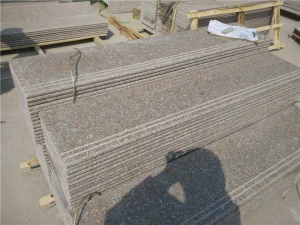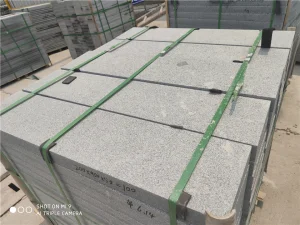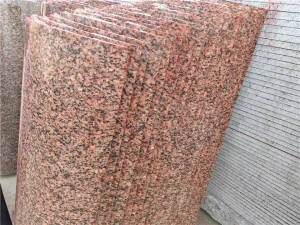
Factory Inventory Direct
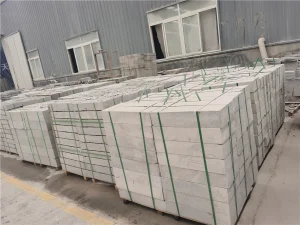
Featured Architectural Stone Lineup
Quarry-direct dimensional stone, slabs, and specialized fabrication ready for international container distribution.
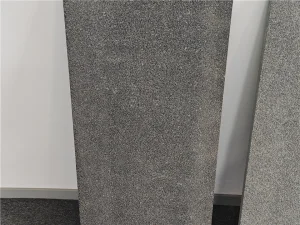
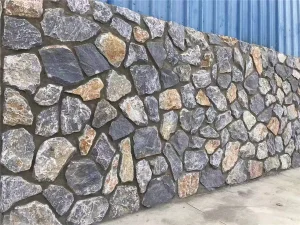
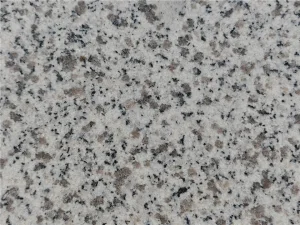
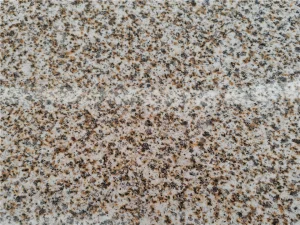
Industry Whitepaper Report
Global Travertine & Marble Sourcing Landscape
A rigorous examination of lithological engineering, computerized processing pipelines, and raw material access across China's premium fabrication zones.
Lithological Characteristics
Travertine and marble are calcareous sedimentary and metamorphic rocks. Modern processing leverages vacuum resin impregnation and high-solid epoxy consolidation to enhance structural density and freeze-thaw resilience, making them suitable for high-traffic and exterior applications.
Automated Diamond Wire Profiling
Upgraded wire saw lines minimize kerf loss down to 1.8mm compared to legacy 4.5mm gang saws. This technological shift boosts recovery rates from high-end raw blocks by up to 22%, driving competitive pricing and tighter thickness tolerances (±0.5mm).
Integrated Coastal Supply Chains
Processing hubs in Shandong and Fujian process raw material from local reserves while importing rough blocks globally from Italy, Turkey, and Iran. Factories leverage bonded port logistics to deliver cut-to-size packages with fast lead times and low transshipment overheads.
Competitive Manufacturing
The China Factory Edge in Travertine & Marble Slabs
Why Tier-1 architectural developers choose Chinese processing clusters for complex commercial and civic building applications.
Intelligent Optical Sorting
Automated visual inspection lines scan slabs under multi-spectrum lighting. This enables accurate color matching, precise sorting into sub-vein categories, and defect elimination before shipping.
Vacuum Resin Lines
Horizontal curing furnaces using high-grade polyester and epoxy seal cavernous pores in travertine. This process preserves the stone's organic aesthetic while achieving compressive strengths exceeding 110 MPa.
Dry-Lay Verification
Our workshop dry-lays complete facade elevations and bookmatched flooring zones across up to 3,000 square meters. Numbering and QR-coding each piece streamlines installation and prevents site-level mismatching.
Port-Side Logistics Hub
Located near Rizhao and Qingdao container ports, our facility minimizes land transport costs and prevents transit shock. Slabs travel in reinforced A-frame steel racks and fumigated wooden crates designed to withstand container shipping.
Architectural Specification Standard
Technical Comparison: Travertine vs. Commercial Marble vs. Granite
A reference guide for project engineers, structural planners, and procurement directors evaluating stone properties against ASTM and EN standards.
| Material Metric | Vein-Cut Roman Travertine | Cross-Cut Cream Travertine | Shandong White Marble | Standard Granite (G603/G654) |
|---|---|---|---|---|
| Petrological Class | Calcareous Tufa / Sedimentary | Calcareous Tufa / Sedimentary | Recrystallized Calcite / Metamorphic | Felsic Plutonic / Igneous Rock |
| Bulk Density (ASTM C97) | 2.42 - 2.50 g/cm³ | 2.38 - 2.46 g/cm³ | 2.62 - 2.70 g/cm³ | 2.60 - 2.78 g/cm³ |
| Water Absorption | 0.8% - 1.8% (Raw) / <0.3% (Filled) | 1.2% - 2.2% (Raw) / <0.4% (Filled) | 0.15% - 0.28% | 0.10% - 0.25% |
| Compressive Strength (C170) | 75 - 95 MPa | 70 - 88 MPa | 105 - 130 MPa | 150 - 210 MPa |
| Flexural Strength (C880) | 8.5 - 12.0 MPa | 7.2 - 10.5 MPa | 11.0 - 15.5 MPa | 12.5 - 18.0 MPa |
| Typical Architectural Scope | Rainscreen facades, luxury lobbies, interior feature cladding | Pool surrounds, interior floors, decorative panels | Interior columns, vanity surfaces, bookmatched floors | High-traffic urban paving, curb systems, heavy structural bases |
Application Engineering
Engineered Building Envelope & Interior Solutions
Reliable stone systems designed to meet thermal, acoustic, and wind-load performance targets across challenging architectural environments.
Ventilated Rainscreen Facades
Precision-calibrated 30mm travertine and marble panels paired with undercut kerf systems. These assemblies withstand dynamic wind loads while allowing thermal expansion and moisture drainage across multi-story building envelopes.
Commercial Flooring Systems
Reinforced composite backing (honeycomb aluminum or polymer fiberglass mesh) delivers structural rigidity for thin 10-14mm marble tiles. This reduces deadweight in high-rise towers while speeding up installation and preserving high compressive ratings.
High-Traffic Public Interiors
Fine-honed and antique tumbled treatments provide slip-resistant surfaces (PTV > 36 in wet conditions) that preserve natural stone beauty in hotel lobbies, transit halls, and civic gathering spaces.
Macro Sector Insights
Industry Trajectory: Green Manufacturing & Global Procurement Trends
Adapting natural stone fabrication to meet international carbon reduction benchmarks, BIM workflows, and supply chain demands.
Closed-Loop Slurry Recycling
Modern factories operate 100% water-recirculation filter presses that extract dry stone cakes for ceramic and roadbed production. This eliminates industrial runoff and significantly cuts freshwater consumption per square meter of finished slab.
BIM Integration & Digital Matching
Direct integration of high-resolution photogrammetric slab scans into building information models (BIM). Specifiers preview bookmatching, veining alignments, and tonal variations before cutting begins, minimizing waste on site.
Consolidated Freight Logistics
International developers increasingly bundle structural granite bases, marble flooring, and travertine wall veneers into unified container shipments from single manufacturing centers, cutting customs fees and overall logistical complexity.
Expert FAQ
Frequently Asked Questions on Travertine & Marble Sourcing
Direct technical answers addressing porosity, surface treatments, packaging standards, and structural testing.
What is the technical difference between vein-cut and cross-cut travertine slabs?
Vein-cut travertine is sliced parallel to the natural sedimentary bedding planes. This highlights linear, directional bands that work well for contemporary rainscreen facades and modern feature walls. Cross-cut travertine is sawn perpendicular to the bedding planes, revealing cloudy, undulating circular patterns. Cross-cut slabs typically offer higher flexural consistency across all axes because the natural stratification planes are not oriented along a single shear direction.
How do factory processing lines manage natural voids in travertine?
Natural cavities can be processed in three standard ways depending on architectural specifications: First, "Filled with Cementitious Grout," which matches the stone's base tone for an understated, matte look. Second, "Filled with Transparent or Color-Matched Epoxy/Resin," which is cured under vacuum pressure to enhance flexural strength while sealing pores against water intrusion. Third, "Unfilled," which leaves voids open to showcase the stone's organic texture, a technique commonly selected for interior accent walls and protected vertical surfaces.
How can engineers prevent efflorescence and staining on exterior marble cladding?
Preventing efflorescence requires a systematic approach to cladding design. First, specify back-sealing with an alkali-resistant polymer silane coating prior to installation. Second, use stainless steel anchor brackets (AISI 304/316) for ventilated dry-hang assemblies rather than direct-wet mortar adhesion. This eliminates moisture pathways from concrete backup walls. Third, ensure the facade design includes functional drip edges and breathable weep holes to allow drainage of driven rainwater.
What quality control documentation should accompany wholesale stone shipments?
Standard export documentation should include: (1) ASTM/EN test reports verifying bulk density, water absorption, compressive strength, and flexural modulus; (2) A detailed packing list cross-referenced with production batch numbers; (3) A digital dry-lay photo map showing bookmatch configurations and panel layout coordinates; (4) Formal ISPM-15 phytosanitary certificates for fumigated solid wood crates; and (5) A factory Certificate of Origin along with multi-point visual inspection logs.
Can travertine slabs withstand exterior freeze-thaw cycles in cold climates?
Yes, provided the stone meets rigorous ASTM C1527 standards and undergoes proper processing. Raw, unfilled travertine with open, interconnected surface voids can suffer damage if trapped water freezes and expands. By vacuum-filling voids with exterior-grade structural resin, sealing all six sides with penetrating oleophobic sealers, and installing panels with ventilated open joints, travertine performs reliably even in severe freeze-thaw conditions.
Heavy-Duty & Custom Sourcing
Additional Factory Catalog Selections
Explore complementary natural stone products: granite pavers, decorative cladding panels, and custom-cut architectural elements.