Structural Exterior Cladding / Surface Assemblies
Explore structural, ballistic, and high-load architectural modules engineered directly for international facade engineering and mega-infrastructure projects.
Structural Exterior Cladding / Surface Assemblies
Architectural High-Integrity Curtain-Wall Modules
Impact-Resistant Load-Bearing Enclosures
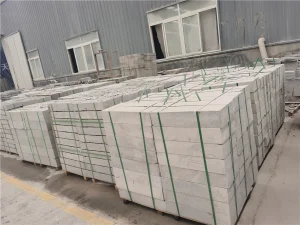
Hybrid Natural Composite Composite Profiles
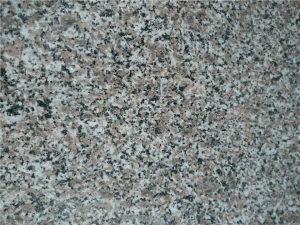
Heavy Walkway / Glazed Flooring Substations
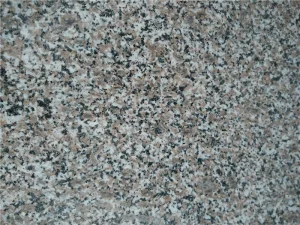
Custom Multi-Hue Architectural Elements
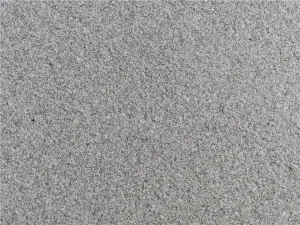
Reinforced Calibrated Heavy-Duty Plates
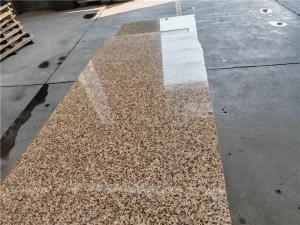
Precision Edge High-Thermal Surface Systems
Evaluating structural behavior, redundant fail-safe mechanics, and shear modulus performance under extreme hydrostatic, seismic, and dynamic wind loading.
Triple laminated glass comprises three precisely treated float or tempered glass sheets bonded with high-performance interlayers (PVB, SentryGlas® SGP, or EVA). This tri-layer stack exhibits unparalleled redundant load mechanics: if an individual outer ply sustains high-velocity impact fracture, the remaining paired glass plies and composite interlayers preserve structural rigidity, eliminating sudden catastrophic blowout.
Integrating SentryGlas® (SGP) sheets between triple-laminated configurations delivers up to 100 times the mechanical stiffness and 5 times the tear strength of traditional PVB films. This high shear modulus enables laminated glass panels to function as real load-bearing structural elements—critical for base-clamped architectural balustrades, cantilever glass canopies, and suspended overhead skylights.
The asymmetric multi-boundary triplex interface breaks harmonic sound transmission paths, achieving sound transmission class (STC) ratings exceeding 48–52 dB. Furthermore, calibrated triple lamination configurations satisfy European EN 356 (P6B to P8B security criteria) and UL 752 / EN 1063 ballistic defense specifications, providing anti-burglary, hurricane-debris, and forced-entry deterrence.
| Configuration Stack | Nominal Caliber | Shear Modulus (20°C) | Impact Class | Sound Attenuation | Target Engineering Application |
|---|---|---|---|---|---|
| 8mm + 1.52 SGP + 8mm + 1.52 SGP + 8mm | 27.04 mm | G ≥ 160 MPa | EN 12600 Class 1(B)1 | Rw = 44 (-1;-4) dB | Structural Glass Floors, Cantilevered Balustrades |
| 10mm + 1.52 PVB + 10mm + 1.52 PVB + 10mm | 33.04 mm | G ≈ 1.2 MPa | EN 356 Class P6B | Rw = 48 (-2;-6) dB | High-Rise Facades, Hurricane Barrier Curtains |
| 12mm + 2.28 SGP + 12mm + 2.28 SGP + 12mm | 40.56 mm | G ≥ 180 MPa | UL 752 Level 1 Ballistic | Rw = 51 (-1;-5) dB | Aquarium Viewing Walls, Embassy Enclosures |
| 15mm + 3.04 SGP + 15mm + 3.04 SGP + 15mm | 51.08 mm | G ≥ 200 MPa | ASTM F1642 Blast Standard | Rw = 54 (-2;-4) dB | Bomb Blast Mitigation, Secure Bank Counters |
Leveraging modern smart manufacturing clusters, port-adjacent shipping nodes, and strict process standardization to reduce client risk and material acquisition costs.
Lamination contamination causes microscopic delamination, bubbles, and visual hazing. Our triple-lamination cleanroom operates under continuous positive pressure with ISO Class 7/Class 10,000 environmental control, regulating ambient humidity (<28% RH) and temperature (21°C ± 1.5°C) to maximize polymer-glass cross-linking adhesion.
Triple lamination demands tight edge alignment tolerances to prevent stair-stepping and frame binding. Automated waterjet and bilateral CNC diamond edging achieve ply-to-ply offset tolerances within ±0.8 mm across panels up to 3300 mm × 12000 mm, preserving structural integrity around point-fixed countersunk spider fittings.
Integrated container logistics near Rizhao and Qingdao sea freight terminals streamline intermodal transport, lowering overland shipping risk and drayage fees. Heavy-duty fumigated steel A-frames and humidity-desiccant vacuum barriers protect heavy-gauge glass from ocean-transit corrosion and transit damage.
Streamlining the procurement lifecycle for multinational real estate developers, structural engineering consultants, and commercial envelope fabricators.
Global projects demand verifiable testing evidence. Our triple-laminated configurations maintain full third-party compliance credentials, including North American ANSI Z97.1 and SGCC standards, European Union CE marks (EN 14449, EN 12150-2, EN 356), and Australian AS/NZS 2208 certifications. Every production batch includes raw-float float inspection logs, spectrophotometric optical calibration data, and destructive impact batch-test certs to streamline local building authority approvals.
As commercial construction focuses on sustainability, low-carbon fabrication has moved from an option to a core tender requirement. The industry is adopting ultra-clear, low-iron float formulations with thin-film photovoltaic (BIPV) interlayers inside triple-laminated assemblies. This yields durable glazing envelopes that withstand thermal shocks and environmental exposure while generating on-site renewable energy for net-zero commercial builds.
Provides essential multi-layer fail-safe support for glass skywalks and multi-story light wells. If the upper wear-surface plate fractures under concentrated impact, the bottom dual-ply structure and structural SGP core sustain live service pedestrian foot traffic loads.
Acts as deep vertical mullions for uninterrupted airport terminal concourses and corporate flagship lobbies, handling high gust pressures and transferring dynamic façade wind loads directly to building superstructures.
Continuous hydrostatic head pressure requires high flexural rigidity and moisture resistance. Multi-layer PVB/SGP composite configurations prevent inter-ply delamination in high-humidity, marine, and underwater environments.
Direct technical clarifications on design, tolerances, interlayers, and logistics for structural glazing engineers and procurement directors.
Heavy civil, high-traffic paving, structural facade cladding, and custom architectural modules manufactured directly to custom project bill of quantities.
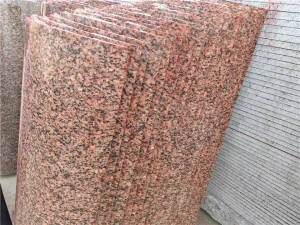
Structural Exterior Solid Wall Envelope Modules
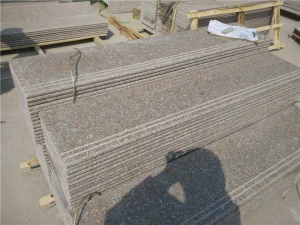
High-Traffic Civil Pedestrian Substrates
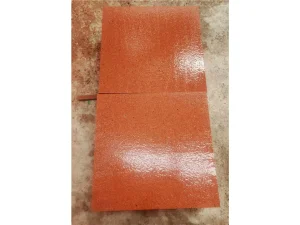
Heavy Solid Foundation Core Raw Blocks
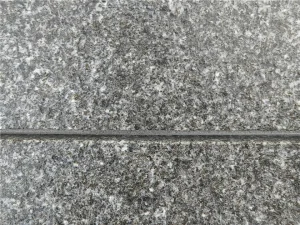
Treated High-Density Crystalline Façades
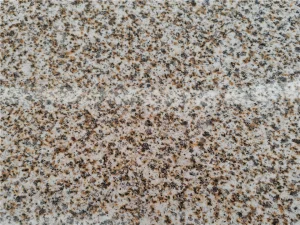
Non-Slip Flamed Exterior Pavement Sets
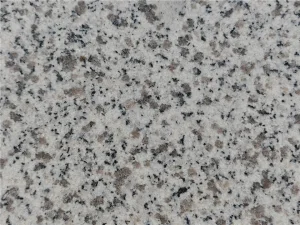
Bright High-Reflectance Commercial Floor Tiles
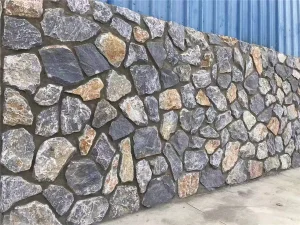
Artistic Masonry Heritage Architectural Profiles
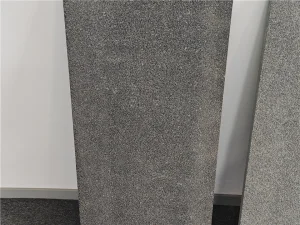
Ultra-Dense Dark Basaltic Structural Flagstones